The bed bug life cycle is a fascinating yet troubling biological process that explains how these tiny pests survive, reproduce, and spread in homes around the world. Bed bugs are small parasitic insects that feed on human and animal blood, primarily during the night. Over the past two decades, global travel, urban living, and insecticide resistance have contributed to a resurgence of bed bug infestations across many countries.
Understanding how bed bugs grow and reproduce is crucial for controlling them effectively. Their life cycle includes several developmental stages—from eggs to mature adults, and each stage has unique characteristics that influence how infestations spread. Because bed bugs can hide in tiny cracks, mattresses, furniture, and luggage, they are difficult to detect until an infestation becomes severe.
Another reason bed bugs remain a persistent pest is their ability to survive for months without feeding. This survival skill allows them to remain hidden in homes, hotels, and public spaces until a host becomes available. Learning about the life cycle helps homeowners and pest control professionals identify infestations earlier and apply targeted treatment strategies.
This guide explores every stage of the bed bug life cycle, their evolutionary origins, reproductive strategies, and their role in the ecosystem. By understanding these details, you can better recognize infestations and protect your living environment from these persistent pests.
Their Evolution And Their Origin
Bed bugs belong to the insect family Cimicidae, a group of blood-feeding parasites that evolved millions of years ago. Scientists believe their ancestors originally fed on bats and birds before adapting to humans. As humans began living in caves and shelters, bed bugs gradually transitioned to feeding on human blood.
Fossil evidence suggests that bed bugs existed more than 100 million years ago, making them one of the oldest parasitic insects known. During this long evolutionary period, they developed specialized features that help them survive as parasites.
One of their most notable adaptations is their flattened body shape. This allows them to hide in extremely narrow spaces such as mattress seams, bed frames, and wall cracks. Their reddish-brown color also helps them blend into dark environments where they remain hidden during the day.
Bed bugs have coexisted with humans for thousands of years. Historical records from ancient Egypt, Greece, and Rome mention bed bug infestations. These insects spread rapidly as human civilizations expanded, especially with the growth of trade routes and travel.
During the mid-20th century, bed bug populations declined significantly due to widespread pesticide use, particularly DDT. However, by the early 2000s, infestations began to increase worldwide again. Scientists attribute this resurgence to several factors:
- Increased global travel
- Urban population growth
- Pesticide resistance
- Reduced use of long-lasting insecticides
Modern research in 2026 continues to study how bed bugs evolve resistance to chemicals. Genetic studies have revealed mutations that allow them to survive certain pesticides, making professional pest control strategies increasingly important.
Although bed bugs do not transmit diseases like mosquitoes or ticks, their bites can cause itching, allergic reactions, and sleep disturbances. Understanding their evolutionary history helps scientists develop new treatment methods and prevention strategies.
The History of Their Scientific Naming
The scientific classification of bed bugs has evolved as researchers learned more about insect taxonomy. Today, the most common species affecting humans is Cimex lectularius.
Here are some key points in the history of their scientific naming:
- 18th Century Classification
- Swedish naturalist Carl Linnaeus formally described the common bed bug in 1758 and gave it the name Cimex lectularius in his famous work Systema Naturae.
- Genus Name Meaning
- The word Cimex comes from Latin and means “bug” or “insect.” Historically, it was used to describe small parasitic insects that live near humans.
- Species Name Meaning
- The species name lectularius derives from the Latin word lectulus, meaning “bed.” This reflects the insect’s close association with human sleeping areas.
- Discovery of Related Species
- Over time, scientists discovered other species within the Cimicidae family, including Cimex hemipterus, the tropical bed bug.
- Modern Genetic Classification
- Advances in DNA sequencing have allowed scientists to confirm relationships among different bed bug species and trace their evolutionary origins.
- Global Scientific Research
- Today, bed bugs are studied by entomologists worldwide to understand pesticide resistance, feeding behavior, and population dynamics.
Scientific naming helps researchers communicate clearly about these insects and develop standardized identification and control strategies.
Their life cycle and ability to survive in nature
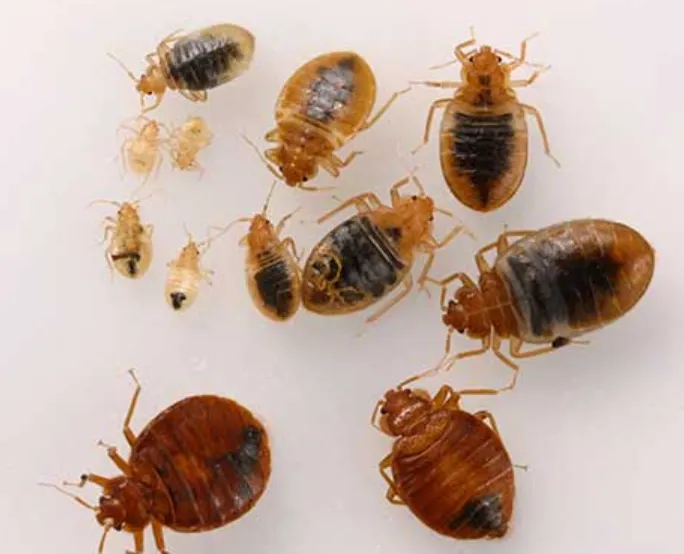
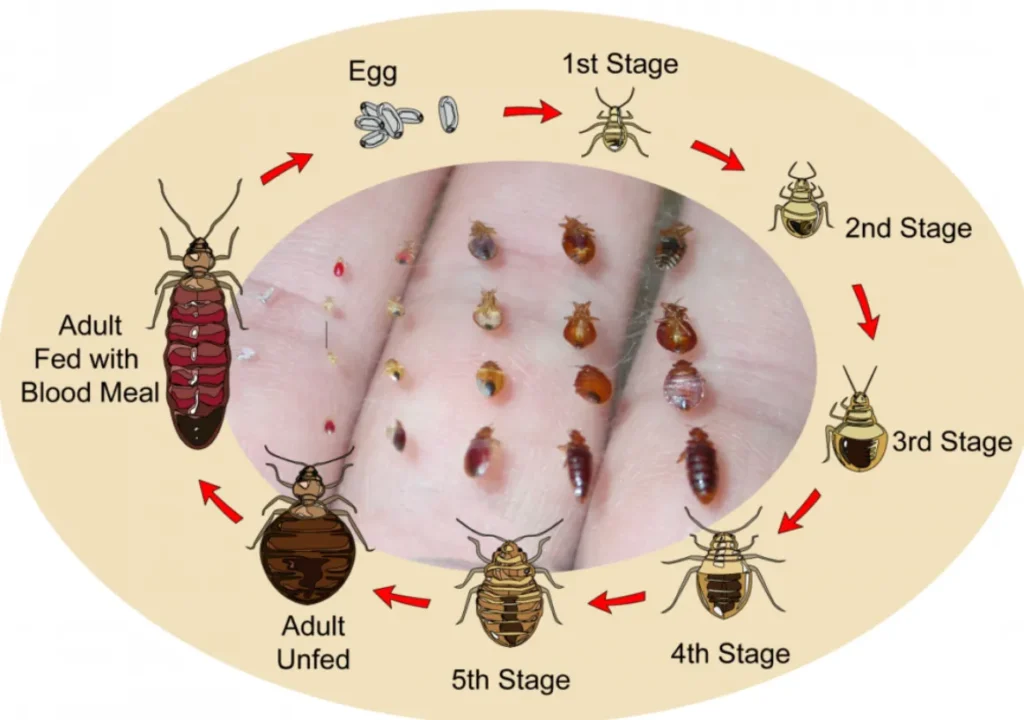
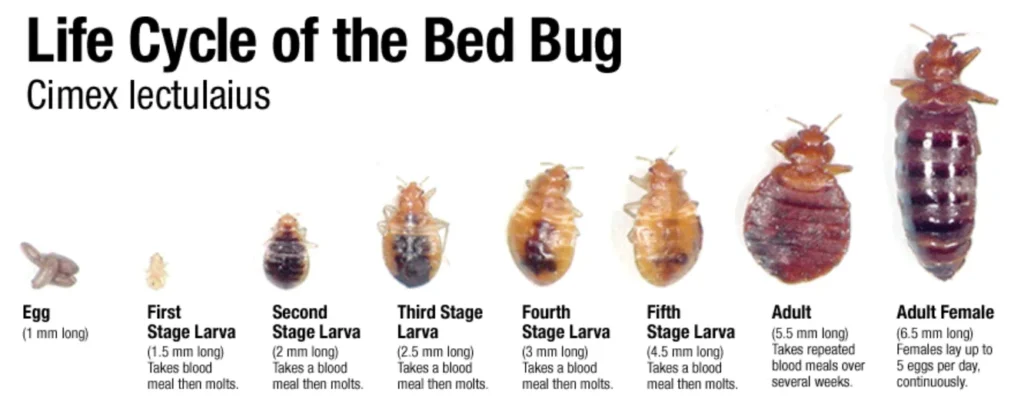
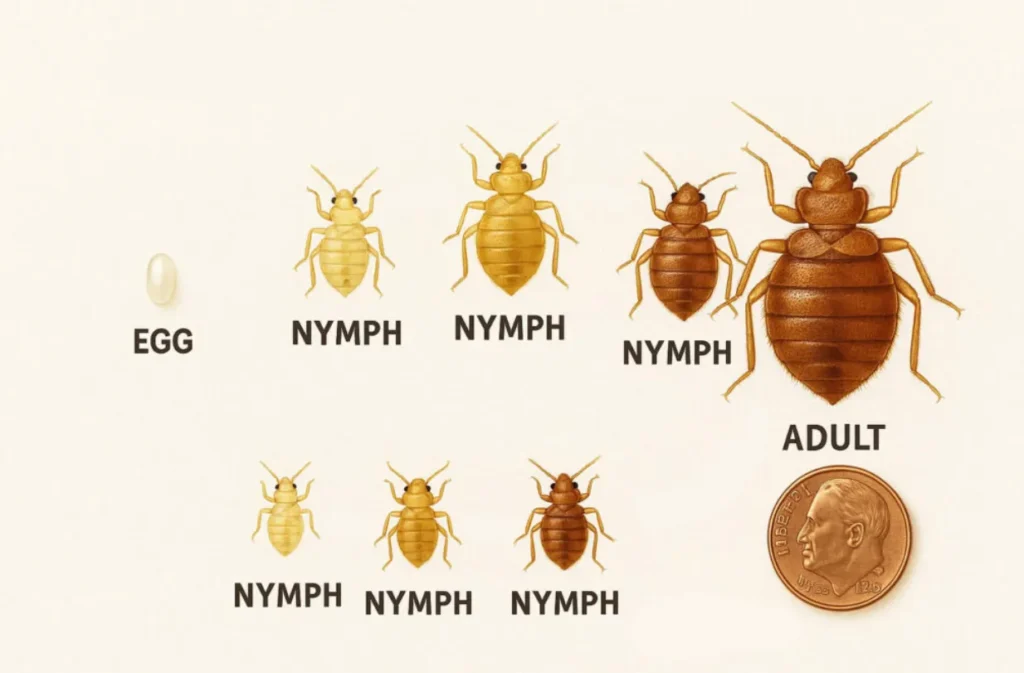
The bed bug life cycle consists of several distinct developmental stages. Each stage requires a blood meal for growth and progression.
Key stages of the life cycle include:
- Egg Stage
- Female bed bugs lay tiny white eggs that are about 1 millimeter long. These eggs are usually hidden in mattress seams, furniture cracks, or wall crevices. They hatch within 6–10 days under favorable conditions.
- Nymph Stages
- After hatching, bed bugs pass through five immature stages, known as nymphs. Each stage requires at least one blood meal before molting into the next stage.
- Adult Stage
- Once the fifth molt is completed, the insect becomes a mature adult capable of reproduction. Adult bed bugs are reddish-brown and roughly the size of an apple seed.
Bed bugs have impressive survival abilities:
- They can live for several months without feeding.
- They tolerate a wide range of temperatures.
- They hide in extremely small spaces to avoid detection.
- They can quickly spread through luggage, clothing, and furniture.
These survival traits make bed bug infestations difficult to eliminate without proper treatment methods.
Important Things That You Need To Know
Understanding key facts about bed bugs can help you detect infestations early and choose effective control strategies.
What Does a Bed Bug Look Like
Adult bed bugs are small, flat, and oval-shaped insects. They measure 5–7 mm and are reddish-brown. After feeding, their bodies become swollen and darker.
What Do Bed Bug Bites Look Like
Bed bug bites often appear as small red bumps arranged in clusters or lines. Bites usually appear on exposed areas of the arms, neck, and face.
Bed Bug Bite Symptoms
Common bed bug bite symptoms include:
- Itching and redness
- Small swollen bumps
- Burning sensation
- Mild allergic reactions
Some people may not notice bites immediately, which allows infestations to grow unnoticed.
Bed Bug Eggs
Bed bug eggs are extremely small and white. They resemble tiny grains of rice and are often found in hidden locations such as mattress seams and furniture joints.
Bed Bug Treatment and Spray
Effective bed bug treatment usually involves professional pest control methods combined with cleaning and heat treatments. Many homeowners also use bed bug spray, but sprays alone rarely eliminate a full infestation.
Their Reproductive Process and raising their children
Bed bugs reproduce through a unique and unusual process known as traumatic insemination. In this process, the male pierces the female’s abdomen to inject sperm directly into her body cavity.
Key aspects of their reproduction include:
- Rapid Egg Production
- A female bed bug can lay 200–500 eggs during her lifetime.
- Frequent Feeding for Reproduction
- Females require regular blood meals to produce eggs and sustain reproduction.
- Egg Hatching Time
- Eggs usually hatch within one to two weeks, depending on environmental conditions.
- Development of Nymphs
- Newly hatched nymphs begin feeding immediately to support their growth.
- Parental Care
- Unlike some insects, bed bugs do not care for their offspring. Once eggs are laid, the young must survive on their own.
Because reproduction occurs quickly, a small infestation can grow into hundreds or thousands of bed bugs within a few months.
The importance of them in the ecosystem
Although bed bugs are unwanted pests in human homes, they still play minor roles in natural ecosystems.
Important ecological aspects include:
- Part of Food Chains
- Bed bugs serve as prey for certain spiders, ants, and predatory insects.
- Population Regulation
- Natural predators help keep bed bug populations under control in wild environments.
- Indicator of Human Habitation
- Their presence historically indicated human settlements and sleeping areas.
- Research Importance
- Bed bugs are used in scientific studies to understand parasite behavior, insect physiology, and pesticide resistance.
- Evolutionary Studies
- Their long evolutionary history provides insights into how parasites adapt to hosts over time.
Despite these roles, their impact on ecosystems is relatively small compared to other insects.
What to do to protect them in nature and save the system for the future
Although bed bugs are pests, maintaining ecological balance requires thoughtful pest management rather than uncontrolled chemical use.
Here are ways to protect natural systems while managing infestations:
- Use Integrated Pest Management (IPM)
- Combine monitoring, sanitation, and targeted treatments rather than relying solely on pesticides.
- Avoid Overuse of Chemicals
- Excessive pesticide use can harm beneficial insects and the environment.
- Promote Natural Predators
- In outdoor environments, natural predators help control insect populations.
- Support Scientific Research
- Continued research improves safer pest control technologies and sustainable solutions.
- Encourage Public Awareness
- Educating people about early detection prevents large infestations and reduces the need for chemical treatments.
- Adopt Environmentally Friendly Pest Control
- Heat treatments and mechanical removal methods are safer alternatives.
- Reduce Clutter in Homes
- Clean environments make it harder for bed bugs to hide and reproduce.
Sustainable pest control helps protect ecosystems while keeping homes safe from infestations.
Frequently Asked Questions (FAQs)
1. How long does the bed bug life cycle take?
The complete bed bug life cycle typically takes 5–8 weeks, depending on temperature and food availability.
2. Can bed bugs survive without feeding?
Yes. Adult bed bugs can survive several months without a blood meal, especially in cooler environments.
3. Where do bed bugs hide in homes?
They commonly hide in mattresses, bed frames, furniture seams, electrical outlets, and wall cracks.
4. Are bed bug bites dangerous?
Bed bug bites usually cause itching and irritation, but rarely transmit diseases.
5. How can I identify bed bug eggs?
Bed bug eggs are tiny, white, and about 1 millimeter long, often found in clusters in hidden spaces.
6. Does bed bug spray eliminate infestations?
Most sprays kill only visible insects. Professional treatment is often required for complete elimination.
7. Do bed bugs live only in beds?
No. They can live in sofas, luggage, carpets, and even behind wallpaper.
8. How can I prevent bringing bed bugs home from travel?
Inspect hotel rooms, keep luggage elevated, and wash clothing in hot water after returning home.
Conclusion
The bed bug life cycle explains why these insects are so persistent and difficult to eliminate. From tiny eggs to mature adults capable of reproduction, each stage contributes to the rapid growth of infestations. Their ability to hide in small spaces, survive long periods without feeding, and reproduce quickly makes them one of the most challenging household pests.
Throughout history, bed bugs have adapted alongside humans, evolving specialized survival strategies that allow them to thrive in homes, hotels, and urban environments. Scientific research has revealed fascinating details about their biology, reproduction, and evolutionary origins. At the same time, this research has helped experts develop better detection tools and pest control methods.
Understanding how bed bugs grow and behave is the first step toward effective prevention and control. Recognizing bed bug bite symptoms, identifying bed bug eggs, and knowing what a bed bug looks like can help detect infestations early before they spread. Combining professional treatment with good hygiene practices and preventive measures significantly reduces the risk of recurring problems.
Although bed bugs play a minor role in natural ecosystems, their presence in human environments can cause discomfort, stress, and financial costs. By staying informed and using modern pest management strategies, individuals can protect their homes and maintain healthier living spaces.
With continued research and awareness, managing bed bugs in the future will become more effective, safer, and environmentally responsible.
About the Author