The life cycle of a ladybird is one of the most fascinating processes in the insect world. Ladybirds, also known as ladybugs or lady beetles, belong to the family Coccinellidae. These small, colorful beetles are widely admired for their bright red or orange shells with black spots. However, beyond their charming appearance, they play an incredibly important role in maintaining ecological balance.
Understanding a ladybird’s life cycle helps scientists, gardeners, and nature enthusiasts appreciate how these insects grow, reproduce, and contribute to natural pest control. From tiny eggs to fully developed beetles, ladybirds undergo a complete metamorphosis that includes four distinct stages: egg, larva, pupa, and adult. Each stage has unique characteristics and survival strategies.
Ladybirds are found in almost every region of the world, except extremely cold polar areas. They thrive in gardens, forests, agricultural fields, and grasslands where their primary food sources—aphids and other small pests—are abundant. Because of this diet, farmers often consider them beneficial insects.
In modern ecological studies conducted through 2024–2026, researchers have highlighted the growing importance of ladybirds in sustainable agriculture. Instead of relying heavily on chemical pesticides, many farmers encourage the presence of ladybirds to control crop pests naturally. This makes them an essential part of environmentally friendly farming.
Despite their benefits, ladybird populations in some regions are declining due to habitat loss, pesticide use, and climate change. Understanding their biology and life cycle is therefore crucial for protecting these helpful insects.
This article explores the evolution, scientific naming, life cycle, reproductive behavior, ecological importance, and conservation of ladybirds, providing readers with a comprehensive understanding of these remarkable insects.
Their Evolution And Their Origin
Ladybirds have an evolutionary history that dates back millions of years. Fossil records and genetic research suggest that members of the Coccinellidae family appeared during the late Cretaceous period, around 90–100 million years ago. During this time, flowering plants were rapidly spreading across the Earth, creating new ecosystems where insects could evolve and thrive.
Scientists believe that early ladybird ancestors were small predatory beetles that fed on soft-bodied insects such as aphids. Over time, natural selection favored beetles that were efficient hunters of plant pests. This dietary specialization enabled ladybirds to become successful predators across many ecosystems.
Origins in the Beetle Family
Ladybirds belong to the order Coleoptera, which is the largest order of insects on Earth. Beetles in this order are known for their hardened forewings, called elytra, which protect their delicate flying wings. In ladybirds, these elytra evolved into the brightly colored shells we recognize today.
Their coloration serves as a warning signal to predators. Many birds and animals avoid eating ladybirds because they release a bitter, toxic fluid when threatened. This defense mechanism is called reflex bleeding.
Global Expansion
Over millions of years, ladybirds spread across continents through natural migration and environmental adaptation. Today, there are more than 6,000 known species of ladybirds worldwide.
Some well-known species include:
- Seven-spotted ladybird (Coccinella septempunctata)
- Asian or harlequin ladybird
- Two-spotted ladybird (Adalia bipunctata)
These species evolved different color patterns, sizes, and feeding habits depending on their environment.
Adaptation to Ecosystems
Ladybirds adapted to a wide variety of habitats, including:
- Forest ecosystems
- Agricultural lands
- Grasslands
- Urban gardens
Their ability to fly long distances allows them to locate areas with high pest populations.
Evolutionary Advantage
The evolutionary success of ladybirds is largely due to three traits:
- Predatory diet – Feeding on crop pests gives them a stable food source.
- Bright warning colors – Helps prevent predation.
- Rapid reproduction – Allows populations to grow quickly when food is plentiful.
Modern research in 2026 continues to explore how climate change and invasive species are influencing ladybird evolution, especially with the spread of the Asian harlequin ladybird across Europe and North America.
The History of Their Scientific Naming
The scientific classification of ladybirds has evolved over centuries as entomologists studied their anatomy, behavior, and genetics. The name Coccinellidae is now universally used to describe this family of beetles.
Below are key milestones in the scientific naming of ladybirds:
1. Early European Observations
- In medieval Europe, farmers noticed that ladybirds protected crops by eating aphids.
- Because of their helpful nature, they were called “Our Lady’s Beetle”, referring to the Virgin Mary.
- Over time, the name evolved into ‘ladybird‘ or ‘ladybug‘.
2. Linnaean Classification
- In 1758, Swedish scientist Carl Linnaeus introduced the modern system of biological classification.
- He placed ladybirds in the beetle order Coleoptera and gave several species scientific names.
3. Establishment of the Family Coccinellidae
- The family name derives from the Latin word “coccineus,” meaning “scarlet” or “red.”
- This refers to the bright red coloration seen in many ladybird species.
4. Expansion of Species Identification
- Throughout the 19th and 20th centuries, entomologists identified thousands of species.
- Advanced microscopes and genetic analysis helped scientists distinguish closely related species.
5. Modern Genetic Classification
- By the 21st century, DNA analysis had improved classification accuracy.
- Scientists can now study evolutionary relationships between species more precisely.
Today, the Coccinellidae family includes more than 6,000 species, making it one of the most-studied groups of beneficial insects worldwide.
Their life cycle and ability to survive in nature
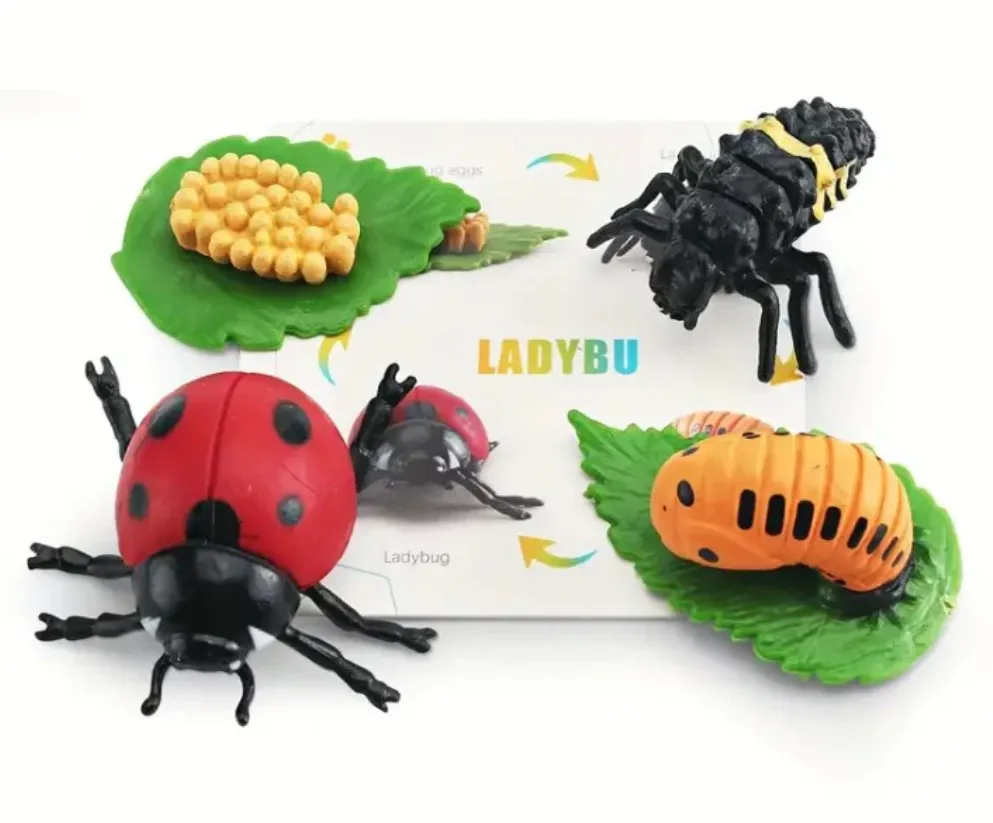
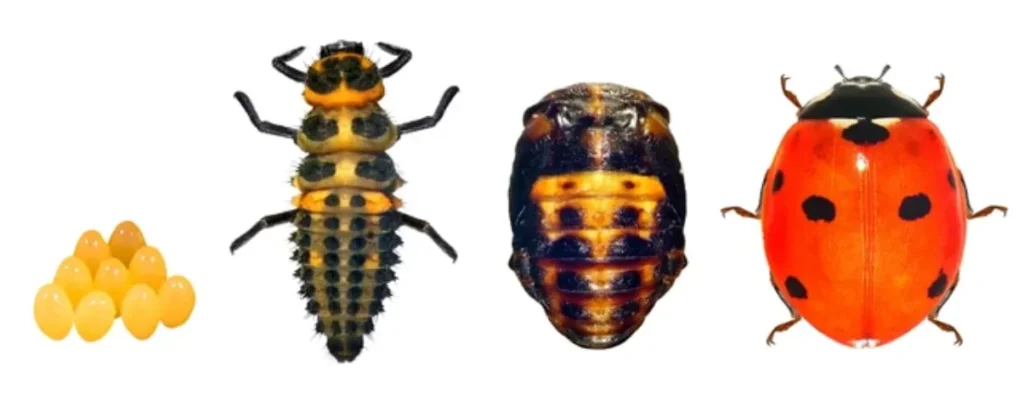
The life cycle of a ladybird involves a process called complete metamorphosis. This means the insect changes dramatically in form as it grows.
Stage 1: Egg
- Female ladybirds lay clusters of 10–50 tiny yellow eggs on the underside of leaves.
- Eggs are usually placed near aphid colonies so that larvae have immediate access to food.
- The eggs hatch in 3–7 days, depending on temperature and environmental conditions.
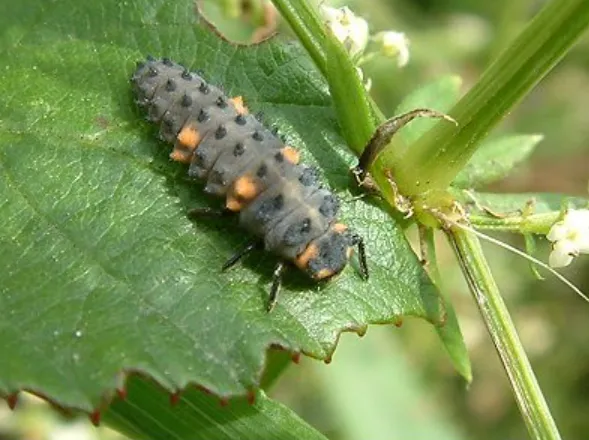
Stage 2: Larva
- Newly hatched larvae look like tiny black alligators with orange spots.
- They are extremely active predators.
- A single larva can eat hundreds of aphids during this stage.
Stage 3: Pupa
- After several molts, the larva attaches itself to a leaf and becomes a pupa.
- Inside the pupal case, the insect undergoes a major transformation.
- This stage usually lasts 5–10 days.
Stage 4: Adult Ladybird
- The adult emerges with soft, pale wings that gradually harden.
- Bright colors appear within a few hours.
- Adults can live for up to 1 year, depending on environmental conditions.
Survival Strategies
Ladybirds survive in nature through several adaptations:
- Camouflage and warning coloration
- Ability to fly long distances
- Chemical defense mechanisms
- Overwintering in large groups during cold seasons
These traits allow ladybirds to thrive in many environments worldwide.
Important Things That You Need To Know
Many interesting facts, myths, and related topics surround ladybirds. Several popular search terms and related subjects are commonly associated with ladybirds.
One common question people ask is what ladybirds eat. Ladybirds are primarily predators that feed on aphids, mites, and other small insects that damage plants. A single ladybird can consume up to 5,000 aphids during its lifetime, making it extremely beneficial for farmers and gardeners.
Another frequently discussed topic is whether ladybirds bite. Although ladybirds are not aggressive toward humans, they can occasionally give a tiny defensive nip if handled roughly. These bites are harmless and rarely break the skin.
A well-known species that has attracted scientific attention is the harlequin ladybird. This species, originally from Asia, has spread across Europe and North America. While it helps control pests, it can sometimes outcompete native ladybird species.
Interestingly, the word “ladybirds” also appears in unrelated contexts. For example, ladybirds Houston and Louisville ladybirds refer to business names, restaurants, or organizations that use the insect’s name as a symbol of luck and positivity. Similarly, the Ladybird Houston menu is commonly searched for by people looking for dining options.
There are even unusual political references online, such as Lindsey Graham ladybugs, which appear in internet discussions and humor rather than in scientific contexts.
Despite these varied uses of the term, the real ladybird remains one of the most beneficial insects in agriculture and natural ecosystems.
Their Reproductive Process and raising their children
Ladybirds have a fascinating reproductive system that ensures the survival of their offspring.
Courtship and Mating
- During spring and early summer, adult ladybirds search for mates.
- Males identify females through chemical signals called pheromones.
- After mating, females can store sperm and fertilize eggs over time.
Egg Laying
- A female may lay hundreds of eggs during her lifetime.
- Eggs are carefully placed near aphid colonies, so larvae have immediate food.
Larval Growth
- Newly hatched larvae are voracious predators.
- They molt several times as they grow larger.
- Each stage of larval growth increases their hunting efficiency.
Parental Strategy
Ladybirds do not directly care for their young after laying eggs. Instead, they rely on strategic egg placement.
This ensures larvae have enough food to survive independently.
Cannibalism
Interestingly, some ladybird larvae may eat unhatched eggs if food is scarce. While it seems harsh, this behavior helps ensure that at least some larvae survive.
Population Growth
Under ideal conditions, ladybird populations can increase rapidly, making them effective biological pest controllers.
The importance of them in the ecosystem
Ladybirds are essential contributors to healthy ecosystems. Their presence helps maintain balance in both natural and agricultural environments.
1. Natural Pest Control
Ladybirds feed on aphids, mites, and scale insects. This prevents pest populations from damaging crops and plants.
2. Reduced Need for Pesticides
Farmers rely on ladybirds as natural pest managers. This reduces the need for harmful chemical pesticides.
3. Support for Biodiversity
Ladybirds help maintain a balanced insect population, which supports biodiversity.
4. Contribution to Sustainable Agriculture
Many organic farms encourage ladybird populations as part of environmentally friendly farming methods.
5. Indicator of Environmental Health
The presence of ladybirds often indicates a healthy ecosystem with balanced insect populations.
6. Educational Value
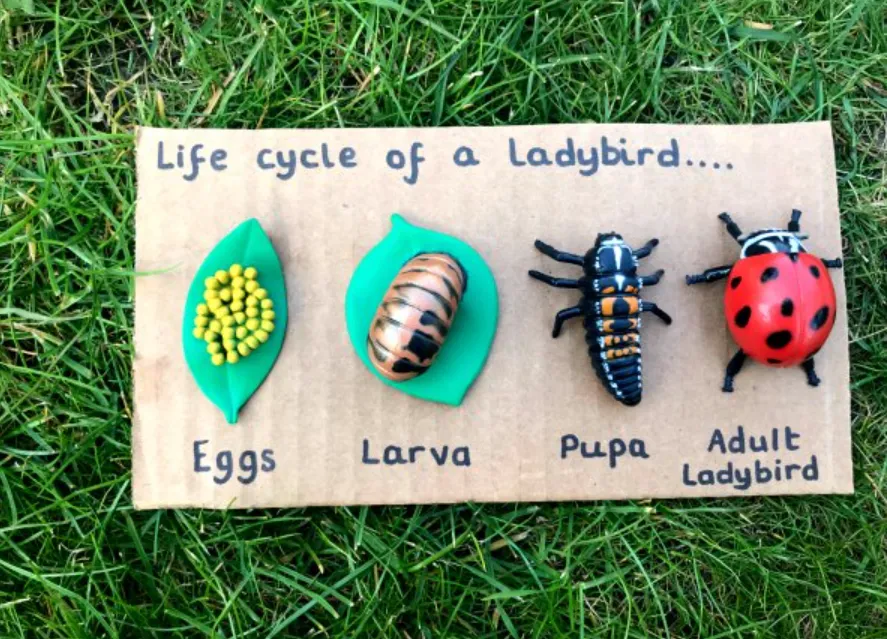
Ladybirds are frequently used in science education to teach children about insect life cycles and metamorphosis.
Because of these roles, scientists consider ladybirds one of the most beneficial insects on Earth.
What to do to protect them in nature and save the system for the future
Protecting ladybirds is essential for maintaining ecological balance. Here are practical steps that individuals and communities can take:
- Plant native flowers and plants that attract aphids and provide food sources for ladybirds.
- Avoid chemical pesticides, as they can harm beneficial insects.
- Create insect-friendly gardens with diverse plants and natural shelters.
- Provide overwintering habitats such as leaf piles, logs, or garden debris.
- Support organic farming practices that encourage natural pest control.
- Educate communities and children about the importance of ladybirds in ecosystems.
- Protect natural habitats, such as forests, grasslands, and wetlands, where ladybirds live.
- Participate in citizen science projects that monitor insect populations.
Taking these simple actions can help ensure that ladybirds continue to thrive in our environment.
Frequently Asked Questions (FAQs)
1. What is the life cycle of a ladybird?
A ladybird’s life cycle includes four stages: egg, larva, pupa, and adult.
2. How long does a ladybird live?
Most ladybirds live between one and two years, depending on environmental conditions.
3. What do ladybirds eat?
Ladybirds mainly eat aphids, mites, and small plant pests.
4. Do ladybirds bite humans?
Ladybirds can occasionally give a tiny defensive bite, but it is harmless.
5. Why are ladybirds important for gardens?
They naturally control pest insects that damage plants.
6. How many species of ladybirds exist?
Scientists have identified more than 6,000 species worldwide.
7. Where do ladybirds live during winter?
They hibernate in groups under leaves, bark, rocks, or inside buildings.
8. How can I attract ladybirds to my garden?
Plant flowering plants, avoid pesticides, and provide natural shelter.
Conclusion
The life cycle of a ladybird is a remarkable example of nature’s efficiency and beauty. From tiny eggs laid on leaves to fully developed beetles capable of flying across landscapes, each stage plays an important role in survival and ecological balance.
Ladybirds have evolved over millions of years to become one of the most successful predatory insects on Earth. Their ability to consume large numbers of agricultural pests makes them invaluable allies for farmers, gardeners, and environmental conservationists. Modern research continues to highlight their role in sustainable agriculture and natural pest control.
Beyond their practical benefits, ladybirds also hold cultural significance in many societies. They are often associated with good luck, happiness, and protection. Their bright colors and gentle presence make them one of the most beloved insects worldwide.
However, the future of ladybirds is not guaranteed. Habitat destruction, climate change, and pesticide use threaten many insect populations globally. Protecting ladybirds requires a collective effort—from planting insect-friendly gardens to supporting environmentally responsible farming practices.
By understanding a ladybird’s life cycle, evolution, and ecological importance, we can better appreciate these tiny but powerful creatures. Encouraging their presence in our environment not only benefits agriculture but also helps maintain the delicate balance of nature.
Ultimately, safeguarding ladybirds means protecting the ecosystems that support all forms of life—including our own.
Also Read About: Bed Bug Life Cycle
About the Author