The elephant life cycle is one of the most fascinating life journeys in the animal kingdom because elephants grow slowly, live for many decades, and depend laboriously on family learning. An elephant begins life as a calf after one of the longest pregnancies among land animals, usually around 20 to 22 months. A newborn calf is large, but it is still completely dependent on its mother and the wider herd for milk, protection, guidance, and social learning.
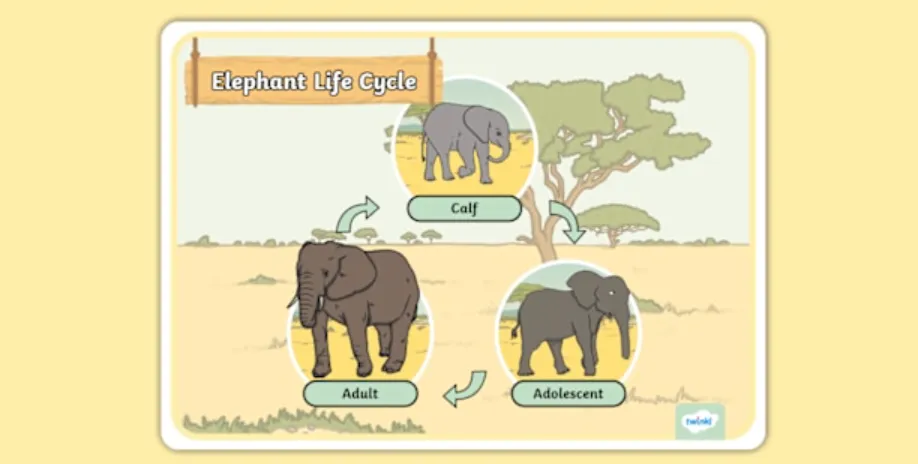
Elephants are highly social mammals. Female elephants usually stay with their family group for life, while males often leave the herd when they become teenagers or young adults. Their life cycle includes the calf, juvenile, adolescent, and adult stages. During these stages, they learn how to find food, recognize danger, communicate, migrate, and survive in changing habitats.
There are three living elephant species: the African savanna elephant, the African forest elephant, and the Asian Elephant. Their conservation status is serious: African savanna elephants are listed as Endangered, African forest elephants as Critically Endangered, and Asian elephants as Endangered.
Quick Answers: Most Common Questions
Q: What are the main stages of the elephant life cycle?
A: The main stages are newborn calf, young juvenile, adolescent Elephant, and mature adult.
Q: How long is an elephant pregnant?
A: An elephant pregnancy usually lasts 20 to 22 months, making it one of the longest gestation periods among land animals.
Q: How long can elephants live?
A: Elephants may live for several decades. Many live around 40 to 60 years, while some can reach about 70 years under suitable conditions.
Quick Life Cycle Table
| Life Stage | Approx. Age | Key Features | Main Needs |
| Newborn Calf | Birth to 2 years | Drinks mother’s milk, stays close to the herd, learns basic movement | Milk, protection, warmth, herd care |
| Juvenile Elephant | 2 to 10 years | Starts eating plants, plays, and learns social behavior | Food, learning, safety |
| Adolescent Elephant | 10 to 20 years | Rapid growth, stronger independence, and males may leave the herd | Space, guidance, social learning |
| Adult Elephant | 20+ years | Fully mature, breeding age, important herd role | Food, water, habitat, protection |
| Older Elephant | 45+ years | Strong memory, a leadership role in females, and slower movement | Safe habitat, water, reduced conflict |
Important Things That You Need To Know
When people search for elephant life cycle, they may also see related search terms such as white Elephant, white elephant gift, elephant ear plant, elephant seal, Drunk Elephant, and strawberry elephant. These words are useful for understanding search intent, but they are not all connected to the real biological life cycle of elephants.
A white elephant can refer to a rare pale elephant in cultural or historical contexts. Still, online, it often means white elephant gift ideas, party gifts exchanged in a fun social game. A white elephant gift is not related to elephant biology, reproduction, lifespan, or conservation.
The elephant ear plant has large leaves that resemble elephant ears. It is popular in gardens and indoor decoration, but it is not part of the animal kingdom. Similarly, an elephant seal is a marine mammal, not a true elephant. It gets its name from the large nose of adult males, which resembles a trunk.
Drunk Elephant is a skincare brand, while strawberry elephant may appear as a creative phrase, toy name, art concept, or search variation. These terms should not be confused with the real Elephant, which is the largest land mammal and a keystone species in many forest and savanna ecosystems.
For this article, the focus stays on the real elephant life cycle, including birth, growth, feeding, reproduction, lifespan, ecological role, and conservation.
The History Of Their Scientific Naming, Evolution, and Their Origin
Scientific Naming of Elephants
Modern elephants belong to the family Elephantidae. The three living species are Loxodonta africana (African savanna elephant), Loxodonta cyclotis (African forest elephant), and Elephas maximus (Asian Elephant). Scientific names help researchers clearly distinguish species, especially because African and Asian elephants differ in body size, ear shape, habitat, tusk structure, and genetics.
Evolutionary Background
Elephants are the last living members of a much larger ancient group called proboscideans. Their extinct relatives included mammoths and mastodons. Over millions of years, elephant ancestors developed long trunks, large bodies, thick legs, and specialized teeth for grinding vegetation.
Origin and Global Spread
Elephant ancestors evolved over a long period across Africa and later spread into parts of Asia and Europe through ancient migration. Today, wild elephants are mainly found in parts of Africa and Asia. Their current range is much smaller than in the past because of habitat loss, agriculture, roads, poaching, and human-elephant conflict.
Their Reproductive Process, Giving Birth, And Rising Their Children
Mating and Reproductive Maturity
Elephants grow slowly, so they do not reproduce quickly like smaller animals. Female elephants usually become reproductively mature during their teenage years, but successful breeding often depends on health, food availability, social stability, and habitat conditions. Male elephants may reach sexual maturity earlier than they can successfully compete for mates.
Long Pregnancy Period
The elephant gestation period is usually 20 to 22 months. This long pregnancy allows the calf to develop a large body, strong legs, and a complex brain before birth. A female usually gives birth to one calf, although twins are extremely rare. Newborn calves may weigh 50-120 kg, depending on species and individual condition.
Giving Birth in the Herd
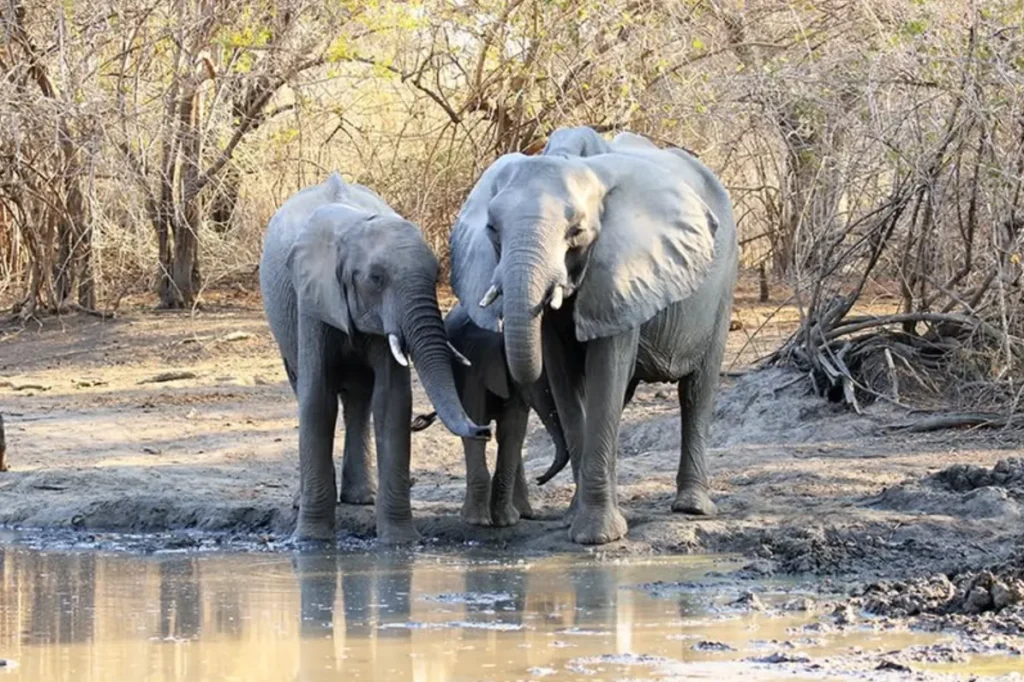
Elephant birth usually happens within the protection of the family group. Other female elephants, often called allomothers, may stay close to help protect the newborn. The calf tries to stand and walk soon after birth, but it remains weak and vulnerable.
Raising the Calf
A young calf drinks milk for several years while slowly learning to eat grasses, leaves, bark, fruits, and roots. The mother gives direct care, but the wider herd also teaches the calf where to find water, how to avoid predators, how to use the trunk, and how to communicate through touch, sound, smell, and body language.
Stages of Elephant Life Cycle
Stage 1: Newborn Calf
The newborn calf stage begins at birth and usually continues through the first two years. At this stage, the calf depends on its mother’s milk and stays very close to her body. The calf is still learning how to control its trunk, walk steadily, follow the herd, and respond to danger.
Adult females protect a newborn elephant. If predators or threats appear, the herd may gather around the calf. This stage is important because early survival depends on milk, maternal care, warmth, social protection, and access to water.
Stage 2: Juvenile Elephant
The juvenile stage usually begins when the calf becomes more confident and starts eating more plant material. Juvenile elephants still drink milk sometimes, but they increasingly feed on grasses, leaves, fruits, bark, and soft branches.
This is a learning stage. Young elephants play with other calves, practice using their trunks, and copy older elephants. They learn migration routes, water locations, food choices, and social rules. Play behavior also helps them develop strength, coordination, and confidence.
Stage 3: Adolescent Elephant
The adolescent stage is a transition between childhood and adulthood. Female adolescents usually remain within the family herd and learn future caregiving roles. Male adolescents may begin spending more time away from the group and eventually leave to live alone or join loose male groups.
This stage is especially important for males because they must learn social control and safe behavior. Older bulls can play a major role in teaching younger males how to behave, compete, and avoid unnecessary aggression.
Stage 4: Adult Elephant
The adult stage begins when elephants reach full maturity. Adult females may reproduce and help lead the herd. Older females, especially matriarchs, are highly valuable because they remember migration paths, water sources, seasonal feeding areas, and danger zones.
Adult males may enter a period called musth, during which testosterone levels rise, and they seek mating opportunities. Adults are powerful, intelligent, and ecologically important. They shape habitats, spread seeds, dig water holes, and create pathways used by other animals.
Their Main Diet, Food Sources, and Collection Process Explained
Elephants are herbivores, meaning they eat plant-based food. Their diet changes depending on species, season, habitat, rainfall, and food availability. African savanna elephants often eat grasses, leaves, bark, shrubs, and tree branches, while forest elephants may eat more fruits, leaves, seeds, and forest vegetation.
Main Food Sources
Elephants commonly eat:
- Grasses during rainy seasons, when fresh growth is available
- Leaves and soft branches from trees and shrubs
- Bark during dry seasons when other food is limited
- Fruits and seeds, especially in forest habitats
- Roots, bulbs, and aquatic plants were available
- Mineral-rich soil or salt licks to support nutrition
How Elephants Collect Food
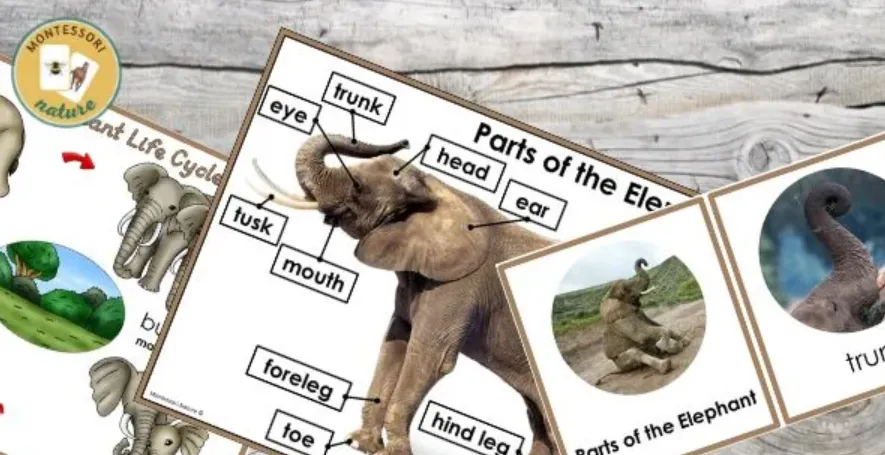
The trunk is the Elephant’s most important feeding tool. It works like a nose, a hand, and a flexible arm all at once. Elephants use their trunks to pull grass, break branches, pick fruits, smell food, and bring food to their mouths.
They may also use their tusks to strip bark, dig for roots, break branches, or access minerals. In dry areas, elephants can dig water holes that other animals later use.
Daily Feeding Needs
Elephants spend a large part of the day feeding. Some elephants may eat for many hours and consume a very large amount of vegetation each day. The San Diego Zoo notes that elephants may spend up to 16 hours per day eating and can consume up to 330 pounds of food.
How Long Does an Elephant Live
The question “How long does an elephant live?” does not have a single answer because lifespan depends on the species, habitat quality, food supply, disease, drought, poaching pressure, human conflict, and whether the Elephant lives in the wild or in captivity.
- Average lifespan: Many elephants live around 40 to 60 years, although this varies by species and environment.
- Potential lifespan: Some elephants may live close to 70 years, especially when they have stable food, water, safety, and low stress.
- Wild challenges: In the wild, elephants face drought, habitat loss, poaching, injury, disease, and conflict with people. These pressures can reduce lifespan.
- Captive conditions: In captivity, elephants may receive veterinary care and regular food, but they can also face problems if the enclosure is too small, social life is poor, or movement is limited.
- Female longevity: Older female elephants are very important because they often guide family groups. A wise matriarch can remember water sources and migration routes from many years before.
- Male lifespan: Adult males often live more solitary lives and may face risks during competition, musth periods, or conflict with humans.
- Tooth wear matters: Elephant teeth are essential for grinding tough plants. As elephants age, their molars wear down. Severe tooth wear can make feeding difficult in old age.
- Habitat quality matters: Elephants living in protected areas with enough food, water, and migration corridors usually have better survival chances.
- Human pressure matters: Poaching, land conversion, fences, roads, and crop conflict can shorten elephant lives even when natural conditions are suitable.
- Slow reproduction makes lifespan important: Because elephants reproduce slowly and raise calves for many years, the survival of adult females is extremely important for population recovery.
Elephant Lifespan in the Wild vs. in Captivity
Lifespan in the Wild
In the wild, elephants may live for several decades when they have enough food, water, space, and safety. A healthy wild elephant can reach old age, but survival is never guaranteed. Drought, disease, injuries, predators for young calves, and human pressure can affect lifespan.
Wild elephants also need large landscapes. When migration routes are blocked by roads, farms, fences, or settlements, elephants may struggle to reach food and water. This can increase stress and human-elephant conflict.
Lifespan in Captivity
Captive elephants may receive regular food, medical care, and protection from poaching. However, captivity does not automatically mean a longer or better life. Elephants are intelligent, social, and wide-ranging animals. They need space, exercise, proper diet, social contact, enrichment, and expert care.
Poor captive conditions can lead to stress, obesity, foot disease, joint problems, and abnormal behavior. High-quality sanctuaries and professional conservation facilities focus on welfare, social grouping, veterinary support, and natural behavior.
Main Difference
The main difference is that wild elephants face natural and human-made survival risks, while captive elephants depend fully on the quality of human care. In both cases, space, social life, nutrition, and safety are essential.
Importance of the Elephant in this Ecosystem
Elephants as Ecosystem Engineers
Elephants are often called ecosystem engineers because they physically shape their environment. They push through thick vegetation, open pathways, break branches, dig water holes, and create space for new plant growth. WWF explains that elephant pathways can help other animals move through dense habitats, and elephant footprints filled with water can become tiny habitats for small organisms.
Seed Dispersal and Forest Growth
Many elephants eat fruits and later spread seeds through their dung. This helps forests regenerate and supports plant diversity. Forest elephants are especially important for spreading large seeds that smaller animals may not carry far.
Water Access for Other Animals
During dry seasons, elephants may dig into dry riverbeds or muddy areas to reach underground water. Antelopes, birds, smaller mammals, insects, and other wildlife can later use these water holes.
Balance in Grasslands and Forests
In savannas, elephants prevent some areas from becoming too densely wooded. In forests, they create gaps that allow sunlight to reach the ground. This supports new plant growth and increases habitat variety.
Cultural and Economic Importance
Elephants also support wildlife tourism, local conservation jobs, and cultural identity in many countries. Protecting elephants often means protecting large habitats that benefit many other species, too.
What to Do to Protect Them in Nature and Save the System for the Future
Protect Natural Habitat
- Stop the unnecessary destruction of forests, grasslands, wetlands, and migration routes.
- Create and maintain wildlife corridors to allow elephants to move safely between feeding and breeding areas.
- Reduce habitat fragmentation caused by roads, farms, mining, and unplanned development.
Stop Poaching and Illegal Ivory Trade
- Strengthen anti-poaching patrols and wildlife law enforcement.
- Reduce demand for ivory and illegal wildlife products.
- Support community-based monitoring and reporting systems.
Reduce Human-Elephant Conflict
- Use safer crop-protection methods such as early-warning systems, buffer crops, watchtowers, and beehive fences where suitable.
- Prevent revenge killings by supporting compensation and rapid-response teams.
- Help farmers protect livelihoods without harming elephants.
Support Ethical Conservation Programs
- Donate to trustworthy conservation organizations.
- Choose responsible wildlife tourism that does not exploit elephants.
- Avoid elephant rides, cruel shows, and facilities that use harsh training methods.
Educate Local and Global Communities
- Teach people why elephants are important for ecosystems.
- Share accurate information about elephant behavior and conservation.
- Encourage schools, communities, and tourists to respect wildlife and natural habitats.
Fun & Interesting Facts About Elephant Life Cycle
- Elephants have the longest pregnancy among land animals, usually around 20 to 22 months.
- A baby elephant is called a calf, and it may weigh more than many adult humans at birth.
- Young calves often do not know how to use their trunks properly at first. They learn through practice.
- Female elephants usually stay with their family group for life.
- A female leader, often called a matriarch, plays a major role in herd survival.
- Elephants can communicate using deep sounds that travel long distances.
- They use their trunks for smelling, drinking, touching, feeding, greeting, and making sounds.
- Elephants can recognize family members and show signs of grief, care, and cooperation.
- Their large ears help with cooling the body, especially in hot climates.
- Elephant dung spreads seeds and supports insects, birds, and soil life.
- Elephants can drink large amounts of water and may travel long distances to find it.
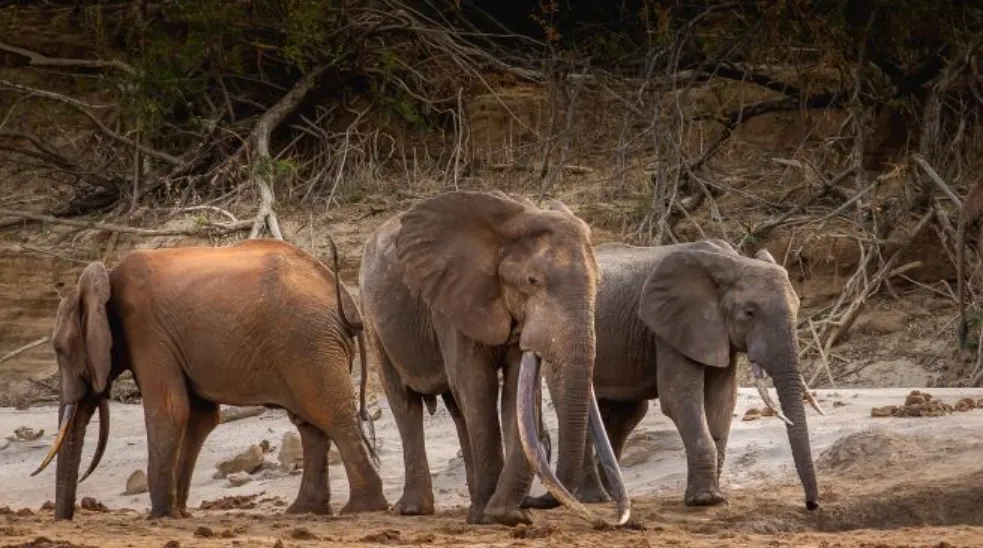
- African elephants generally have larger ears than Asian elephants.
- Asian elephants usually have smaller ears and a more rounded back compared with African elephants.
- Elephants are not only large animals; they are also highly intelligent social mammals.
Frequently Asked Questions (FAQs)
Q: What is the elephant life cycle?
A: The elephant life cycle is the growth journey from newborn calf to juvenile, adolescent, adult, and older Elephant. It includes birth, nursing, social learning, maturity, reproduction, and aging.
Q: How many babies does an elephant usually have?
A: An elephant usually gives birth to one calf at a time. Twins are very rare. The calf receives care from its mother and other female elephants in the herd.
Q: What do baby elephants eat?
A: Baby elephants mainly drink their mother’s milk during early life. As they grow, they slowly begin eating grasses, leaves, fruits, bark, and other plant materials.
Q: When does an elephant become an adult?
A: Elephants may become sexually mature during their teenage years, but full physical and social maturity takes longer. Many elephants are considered fully adult around 20 years or older.
Q: Why are elephants important to nature?
A: Elephants are important because they spread seeds, create pathways, dig water holes, shape forests and grasslands, and support many other species. They are considered keystone species and ecosystem engineers.
Conclusion
The elephant life cycle is a slow, intelligent, and family-centered journey that shows how deeply connected elephants are to their herd and habitat. From a helpless newborn calf to a powerful adult, every stage depends on learning, protection, food, water, and social bonds. Elephants are not only the largest land mammals; they are also essential ecosystem builders that shape forests, savannas, water access, seed dispersal, and biodiversity.
However, elephants face serious threats from habitat loss, poaching, climate pressure, and human-elephant conflict. Because they reproduce slowly and care for calves for many years, every adult elephant matters for future survival. Protecting elephants means protecting entire ecosystems. By conserving habitats, reducing conflict, stopping illegal wildlife trade, and supporting ethical conservation, humans can help ensure that elephants continue to survive in nature for generations to come.
Also Read: blowfly life cycle
About the Author