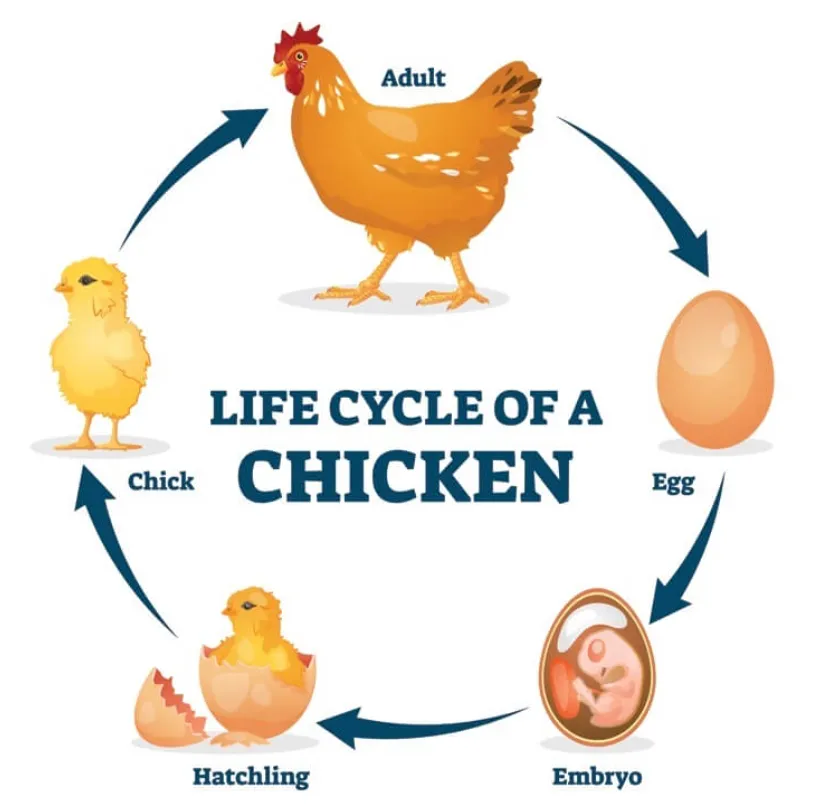
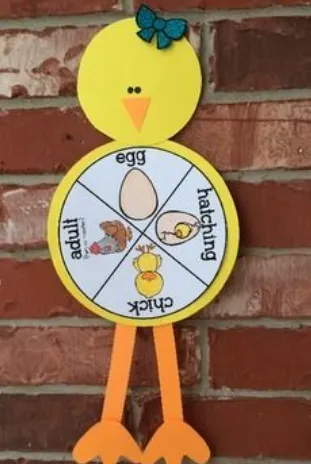
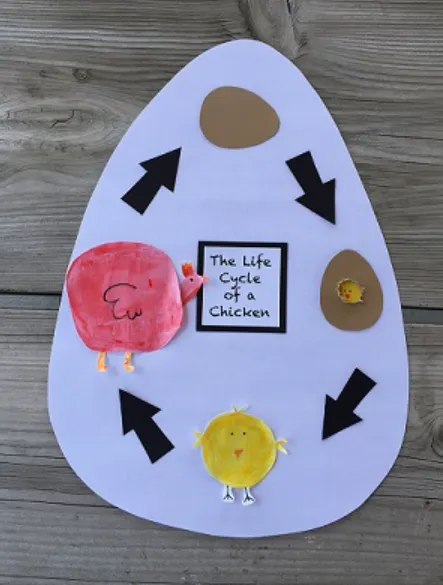
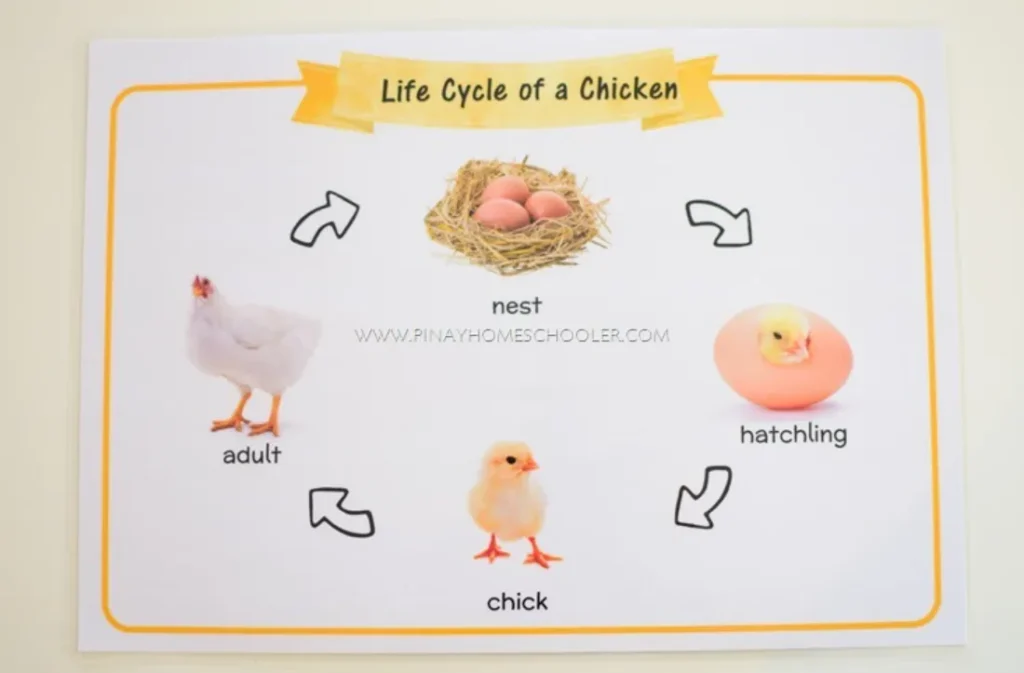
The life cycle of a chick begins before the chick is visible. It starts inside a fertilized egg, where a tiny embryo develops into a complete baby bird. Under proper incubation, a chicken egg usually hatches in about 21 days, although the timing can vary slightly depending on egg fertility, temperature, humidity, ventilation, and egg handling.
A chick is the young stage of a domestic chicken, scientifically linked with Gallus gallus domesticus, a domesticated form of the red junglefowl. Domestic chickens are mainly descended from red junglefowl of South and Southeast Asia, and they have been shaped by thousands of years of domestication.
After hatching, a chick is small, soft, and dependent on warmth, food, water, and protection. Newly hatched chicks cannot fully regulate their body temperature during the first few weeks, so they need a warm mother hen or a safe brooder.
Q: How long does it take for a chick to hatch?
A: A chick usually hatches after about 21 days of incubation.
Q: What are the main stages in the life cycle of a chick?
A: The main stages are egg, hatchling, growing chick or juvenile, and adult chicken.
Q: Can a chick survive alone after hatching?
A: A chick can move and peck soon after hatching, but it still needs warmth, clean water, starter feed, and protection.
Quick Life Cycle Table
| Stage | Time Period | What Happens | Key Need |
| Fertilized Egg | Day 1–21 | An embryo forms and develops inside the egg | Stable incubation |
| Hatchling | Day 21 onward | Chick breaks the shell and dries its feathers | Warmth and safety |
| Young Chick | Week 1–6 | Fast growth, feather development, active feeding | Starter feed and clean water |
| Juvenile Chicken | Week 6–18 | Body size increases, and adult feathers appear | Space and a balanced diet |
| Adult Chicken | Around 18+ weeks | Hen may begin laying; the rooster becomes mature | Proper housing and nutrition |
Important Things That You Need To Know
When people search for chick, they may mean a baby chicken, but some search terms have different meanings. For example, Chick-fil-A near me, Chick-fil-A breakfast menu, Golden Chick, Chick-fil-A breakfast hours, and Chick-fil-A nutrition are related to restaurants, not the biological life cycle of a chick.
This article focuses on the real animal: the early chicken. That means the content explains how a chick forms inside an egg, how it hatches, what it eats, how long it lives, and why chickens matter in farming and ecosystems.
It is also important to understand that a chick is not born like a mammal. It hatches from an egg. The mother hen does not “give birth” in the way humans or other mammals do. Instead, she lays eggs, keeps them warm, turns them, protects the nest, and later guides the chicks to food and safety.
In farms or backyard flocks, humans often replace the mother hen’s role by using incubators, brooders, heat lamps, starter feed, and clean bedding. Good care during the first few weeks is critical because newly hatched chicks are sensitive to cold, wet bedding, poor ventilation, and unsafe feeding conditions.
The History of Their Scientific Naming, Evolution, and Origin
Scientific Naming of the Chick
A chick is the early stage of the domestic chicken. The domestic chicken is commonly classified as Gallus gallus domesticus. It belongs to the family Phasianidae and the order Galliformes, which includes ground-feeding birds such as pheasants, junglefowl, and quail.
Evolution from Junglefowl
Modern chickens are strongly connected to the red junglefowl, a wild bird native to South and Southeast Asia. Research and historical records commonly identify the red junglefowl as the primary ancestor of domestic chickens, although other junglefowl species may have contributed to its genetic makeup.
Origin and Domestication
Chickens became domesticated thousands of years ago. Over time, humans selected birds for egg production, meat production, body size, temperament, color, and adaptability. This long relationship helped chickens become one of the most widely kept domestic animals in the world.
Their Reproductive Process, Giving Birth And Rising Their Children
Chickens Do Not Give Live Birth
Chickens reproduce by laying eggs, not by giving live birth. A hen produces eggs naturally, but a chick can only develop if a rooster fertilizes the egg before it is laid.
Once a fertile egg is laid, embryonic development continues only when the egg is kept under suitable incubation conditions. A mother hen provides this warmth naturally, while farmers may use an incubator.
Fertilization and Egg Laying
During mating, sperm from the rooster fertilize the hen’s ovum before the egg is fully formed. The egg then develops a yolk, albumen, membranes, and shell inside the hen’s reproductive tract.
After laying, a hen may gather eggs in a nest and sit on them. This behavior is called brooding.
Incubation and Hatching
A fertile chicken egg usually needs about 21 days to hatch. During this time, the embryo forms organs, bones, feathers, a beak, legs, and internal systems. Proper temperature, humidity, egg turning, and ventilation are important for hatch success.
Raising the Chicks
After hatching, chicks depend on warmth and guidance. A mother hen teaches them to peck food, avoid danger, stay near the group, and respond to warning calls.
In human care, a brooder provides warmth. Newly hatched chicks generally need around 90–95°F in the first week, then the temperature is gradually reduced as they grow feathers and regulate body heat better.
Stages of the Life Cycle of a Chick
Stage 1: Fertilized Egg and Embryo
The first stage of the life cycle of a chick is the fertilized egg. Inside the egg, the embryo receives nutrition from the yolk. The shell protects the developing chick while allowing air exchange through tiny pores.
During incubation, the embryo undergoes rapid changes. The heart begins beating early, blood vessels spread across the yolk, and the head, eyes, legs, wings, and beak begin to form.
Stage 2: Hatching Stage
Near the end of incubation, the chick positions itself inside the egg and uses a small temporary structure called the egg tooth to break the shell.
Hatching can take several hours. The chick first makes a small hole, breathes air, and then slowly cracks the shell in a circular pattern. Once it emerges, it is wet, tired, and fragile.
Stage 3: Young Chick Stage
After drying, the chick becomes fluffy and active. During the first few weeks, it eats frequently, drinks water, learns to scratch, and grows quickly.
This stage is sensitive because chicks cannot fully regulate body temperature at first. They need warmth, dry bedding, clean water, and safe starter feed.
Stage 4: Juvenile to Adult Chicken
As the chick grows, soft down is replaced by real feathers. The bird becomes more independent, stronger, and more active.
By the juvenile stage, the chicken begins to show an adult body shape. Hens later develop egg-laying ability, while roosters develop stronger combs, wattles, and crowing behavior.
Their main diet, food sources, and collection process are explained
A chick’s diet changes as it grows. In the first weeks, chicks need a balanced starter feed as their bodies develop quickly. Starter feed usually contains protein, energy, vitamins, and minerals needed for feather growth, muscle formation, and immune support.
In natural settings, mother hens guide chicks to small food items. Chicks peck at seeds, tiny grains, soft plant materials, small insects, and other edible particles. Chickens are naturally active foragers and use scratching behavior to uncover food.
Main Food Sources
- Starter feed for early growth
- Small grains and seeds as energy sources
- Insects and larvae as natural protein sources
- Fresh greens in small amounts
- Clean water at all times
- Grit, when birds eat whole grains or forage heavily
Insects are a natural food source for poultry and can provide useful protein in poultry nutrition. Research also shows growing interest in insects as sustainable feed ingredients.
Food Collection Process
Chicks learn by watching the mother hen. She scratches the ground, calls them, and shows them safe food. In managed care, people provide food in shallow feeders so chicks can easily reach it without falling in or contaminating it.
How long does the life cycle of a Chick Live
A chick is only the early stage of a chicken, but if it survives and grows well, it becomes an adult chicken. The lifespan depends on breed, purpose, health, predators, housing, disease control, and nutrition.
- The chick stage is short: A bird is usually called a chick during the early weeks after hatching.
- The juvenile stage follows quickly: By 6–8 weeks, many chickens have grown real feathers and look less like baby chicks.
- Adult maturity depends on breed: Many hens may begin laying eggs around 18–24 weeks, but this varies by breed, diet, light, and health.
- Pet and backyard chickens often live longer: With good care, many domestic chickens may live several years.
- Commercial chickens have different lifespans: Broiler chickens are bred for rapid meat production, while laying hens are bred for egg production. Production systems often shape their practical lifespan.
- Predation reduces survival: Chicks are vulnerable to cats, dogs, foxes, snakes, birds of prey, and poor shelter conditions.
- Weather affects survival: Cold, dampness, overheating, and poor ventilation can harm chicks.
- Disease prevention matters: clean housing, dry bedding, fresh water, and good flock management reduce the risk of illness.
- Nutrition affects growth: Weak, underfed, or poorly fed chicks may grow slowly and become more vulnerable.
- Genetics matter: Some heritage breeds are hardy and long-lived, while some production breeds are selected for rapid growth or high egg output.
Domestic chickens commonly live several years, and some pet chickens can live much longer under careful protection and management. Reports of unusually old chickens exist, but they are exceptions rather than the norm.
Life Cycle of a Chick Lifespan in the Wild vs. in Captivity
Lifespan in the Wild or Free-Ranging Conditions
Domestic chickens are not truly wild animals in the same way as their ancestor, the red junglefowl. However, chicks raised in open or free-ranging environments face more risks.
They may be exposed to predators, parasites, harsh weather, food shortages, and accidents. A chick in an unprotected natural environment has a much lower chance of reaching adulthood.
Lifespan in Captivity or Human Care
In captivity, chicks usually have a better chance of survival when they receive warmth, clean water, high-quality feed, shelter, and protection from predators.
Human-managed chicks can grow steadily if their brooder temperature, bedding, hygiene, and nutrition are properly maintained. Extension guidance commonly recommends warm brooding conditions in the first week and gradual temperature reduction as chicks grow.
Main Difference
The main difference is protection. In the wild or in an open environment, survival depends on the mother hen and on natural conditions. In captivity, survival depends on responsible human care.
Importance of the Life Cycle of a Chick in this Ecosystem
Role in Food Chains
Chicks and chickens are part of many food chains. In natural or semi-natural environments, they may consume insects, seeds, weeds, and small organisms. At the same time, they can become prey for larger animals.
Natural Pest Control
Chickens can help reduce some insect populations by foraging. Pastured chickens may feed on pests and weeds, though their impact depends on how they are managed.
Soil and Nutrient Cycling
Chicken manure contains nutrients that can support soil fertility when handled properly. On farms, poultry manure can contribute to nutrient cycling, but it must be managed carefully to avoid pollution or pathogen risks.
Agricultural Importance
The life cycle of a chick is important in poultry farming, backyard food systems, education, and animal science. Understanding chick growth helps farmers improve welfare, survival, productivity, and responsible breeding.
What to do to protect them in nature and save the system for the future
Protect Natural Foraging Areas
- Keep safe open spaces where chickens can forage without heavy chemical exposure.
- Avoid overuse of pesticides in areas where chicks may peck insects, soil, or plants.
- Maintain small patches of grass, shrubs, and natural ground cover.
Provide Safe Shelter
- Use secure coops or shelters to protect chicks from predators.
- Keep bedding dry and clean.
- Protect chicks from rain, strong wind, extreme cold, and overheating.
Maintain Clean Food and Water
- Provide fresh water every day.
- Use clean feeders to reduce contamination.
- Avoid moldy grains, spoiled scraps, or dirty water.
Support Responsible Breeding
- Do not hatch more chicks than you can safely raise.
- Choose healthy parent birds.
- Avoid careless breeding that increases the risk of weakness or deformity.
Reduce Disease Spread
- Keep sick birds separated.
- Clean equipment regularly.
- Limit contact between unknown birds and young chicks.
- Use proper farm hygiene to protect both birds and humans.
Fun & Interesting Facts About the Life Cycle of a Chick
- A chick usually develops inside the egg for about 21 days before hatching.
- A newly hatched chick is covered in soft down, not adult feathers.
- Chicks can walk and peck soon after hatching, but they still need warmth and protection.
- A chick uses an egg tooth to crack the eggshell during hatching.
- Mother hens communicate with chicks through soft clucking sounds.
- Chicks learn what to eat by watching the mother hen or other birds.
- Chickens are social birds and naturally live in groups.
- The pecking order begins forming as chickens grow older.
- Chicks grow very fast during the first few weeks.
- Clean water is just as important as food for healthy chick development.
- Chicks are sensitive to cold because they cannot fully control body temperature at first.
- A chick’s fluffy appearance changes as feathers replace down.
Frequently Asked Questions (FAQs)
Q: What is the life cycle of a chick?
A: The life cycle of a chick includes the fertilized egg, embryo development, hatching, young chick stage, juvenile stage, and adult chicken stage.
Q: How many days does a chick take to hatch?
A: A chick usually takes about 21 days to hatch from a properly incubated fertile chicken egg.
Q: What does a baby chick eat after hatching?
A: A baby chick should eat quality starter feed and drink clean water. In natural settings, it may also peck tiny seeds, greens, and insects.
Q: Why do chicks need heat after hatching?
A: Newly hatched chicks cannot fully regulate body temperature during the first weeks, so they need warmth from a mother hen or brooder.
Q: When does a chick become an adult chicken?
A: A chick gradually becomes juvenile after several weeks and may reach adult maturity around 18 weeks or later, depending on breed, sex, nutrition, and care.
Conclusion
The life cycle of a chick is a remarkable journey from a fertilized egg to a fully grown chicken. In only about 21 days, a living chick develops inside the egg, hatches, dries, begins walking, and starts learning how to eat and survive.
After hatching, the chick depends on warmth, clean water, safe food, and protection. As it grows, soft down changes into feathers, the body becomes stronger, and the bird slowly becomes a juvenile and then an adult chicken.
Understanding this life cycle is useful for students, farmers, backyard poultry keepers, and anyone interested in animal biology. It helps people protect chicks, raise healthier birds, improve poultry welfare, and respect the natural role chickens play in food systems, soil health, and sustainable farming.
Also Read: grain moth life cycle
About the Author