The American roach’s life cycle is one of the most interesting survival stories in the insect world. The American roach, commonly known as the American cockroach, is scientifically called Periplaneta americana. Even though many people see it as a household pest, this insect has a complex life cycle, strong survival ability, and an important ecological role outside human living spaces.
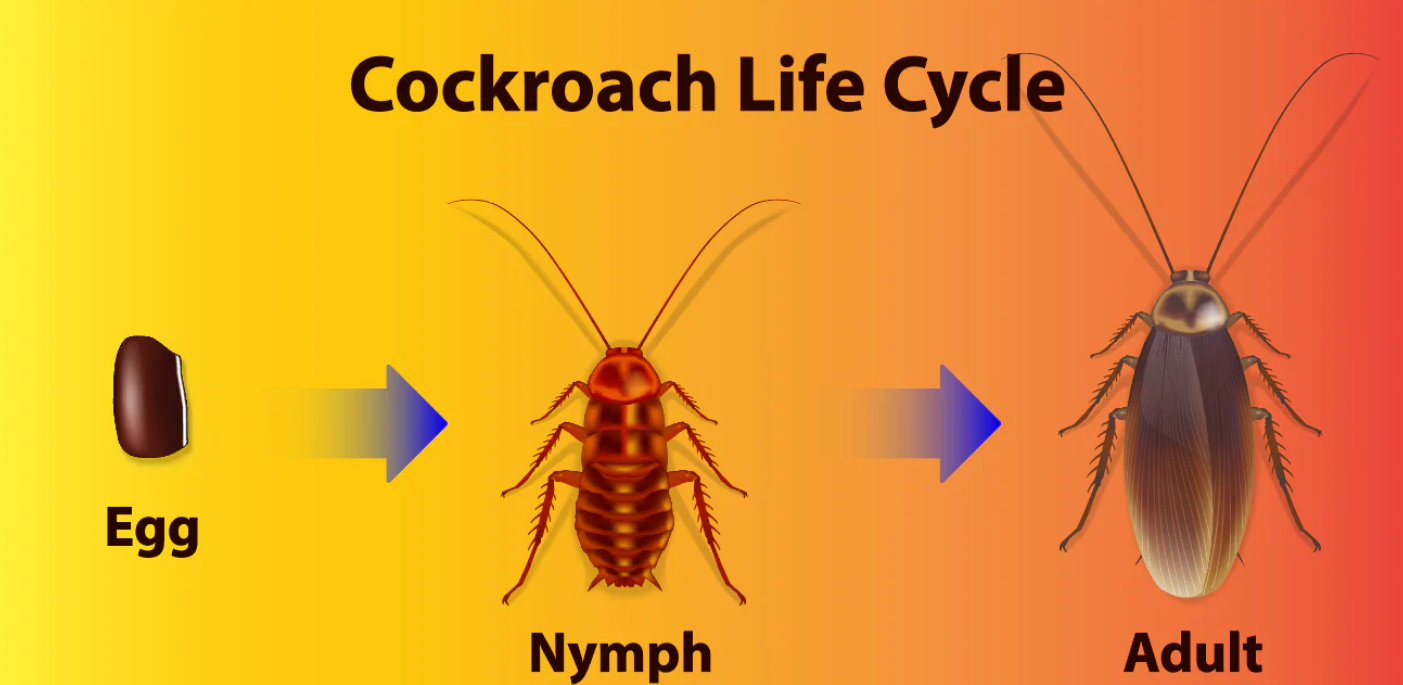
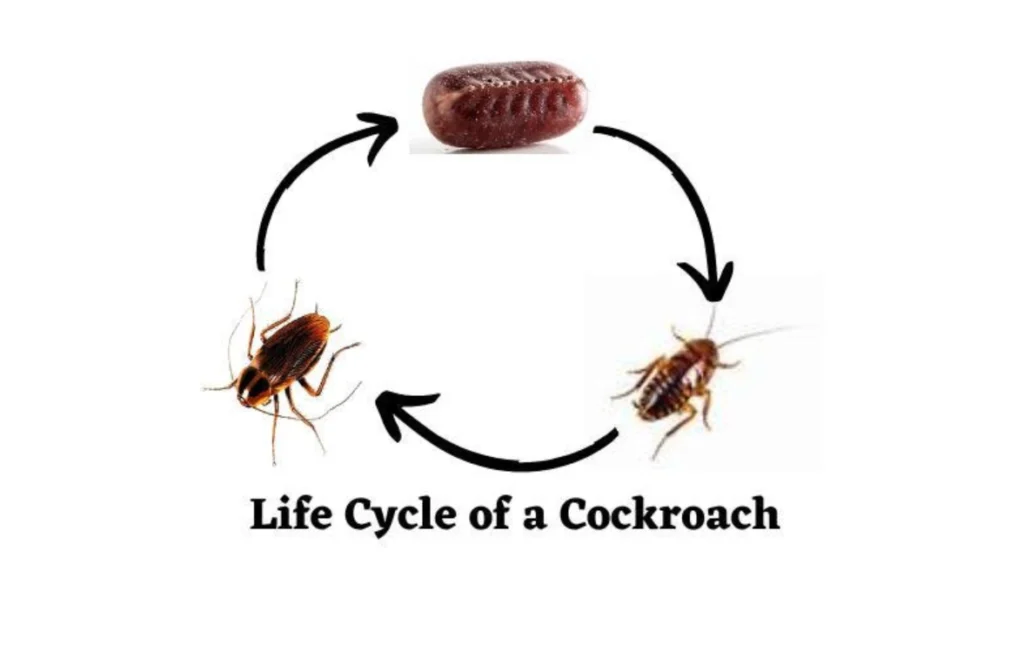
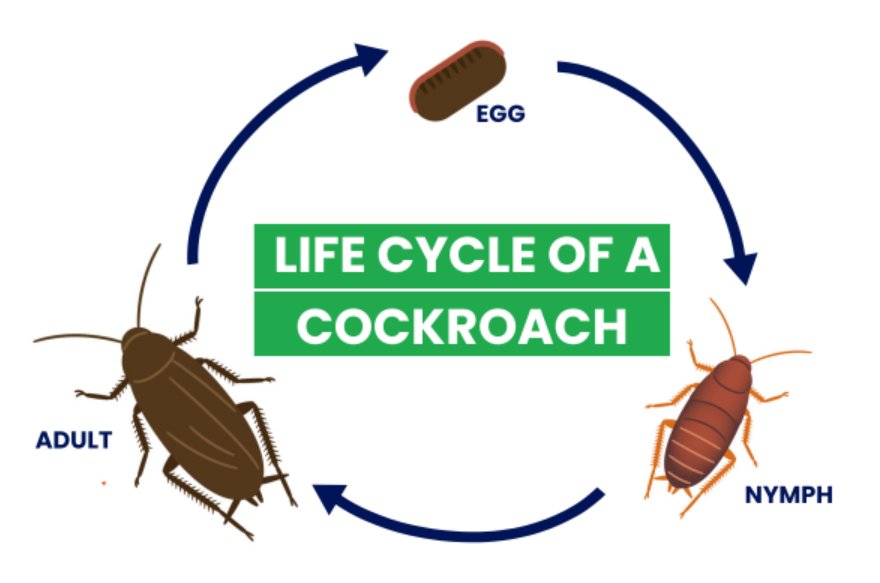
The American roach develops through incomplete metamorphosis, which means it does not pass through a butterfly-like pupa stage. Instead, its life cycle has three main stages: egg, nymph, and adult. A female produces egg cases called oothecae, and young roaches hatch as small wingless nymphs. These nymphs grow by shedding their outer skin several times before becoming adults. The full development from egg to adult can take many months, depending on temperature, humidity, food, and shelter.
The American roach is famous for surviving in warm, moist, dark places such as basements, drains, sewers, kitchens, storage areas, leaf litter, and decaying organic matter. It is not only a pest in buildings but also a decomposer in nature. Understanding its life cycle helps people manage infestations safely and explains why cockroaches exist in the Ecosystem.
Q: How many stages are in the American roach life cycle?
A: The American roach has three life stages: egg, nymph, and adult.
Q: How long does an American roach take to become an adult?
A: It can take around 6 to 12 months, but the full cycle may average much longer under some conditions.
Q: What is the egg case of an American roach called?
A: The egg case is called an ootheca, and it protects the developing eggs.
Quick Life Cycle Table
| Life Stage | What Happens | Usual Time |
| Egg Case | A female produces a brown protective case called an ootheca | Eggs hatch in about 6 to 8 weeks |
| Nymph | Young roaches hatch, feed, hide, and molt many times | Around 6 to 12 months to mature |
| Adult | Fully grown roaches develop wings and reproduce | Adults may live up to about 1 year |
| Full Cycle | Egg to adult development depends on food, warmth, and humidity | Often, many months, sometimes around 600 days on average |
The American roach’s life cycle is slower than that of some smaller cockroach species. However, the insect survives well due to strong hiding behavior, flexible feeding habits, and a high tolerance for harsh environments, which protect it at each stage.
Important Things That You Need To Know
The term American roach is a common short name for the American cockroach. Its scientific name is Periplaneta americana, and it belongs to the cockroach group known for flat bodies, long antennae, chewing mouthparts, and quick movement. The word “American” can be confusing because this species is not believed to be originally native to America. Many sources describe its deeper origins as linked to warmer regions, with its spread aided by human trade and movement.
The American roach is one of the larger cockroach species commonly found around human buildings. It is reddish-brown, has long antennae, and usually shows a pale yellowish marking behind the head. Its body shape helps it squeeze into cracks, drains, wall gaps, storage areas, and other narrow hiding places.
A key thing about the American roach life cycle is that young roaches do not look completely different from adults. They look like smaller versions of adults, but without fully developed wings. This is why their development is called incomplete metamorphosis.
Another important point is that the American cockroach needs warmth, moisture, shelter, and food to grow successfully. It can eat many types of organic material, including decaying plant matter, crumbs, grease, paper, and waste. This makes the American roach highly adaptable.
However, in homes and food areas, American roaches should be managed carefully because they can contaminate surfaces and may trigger allergy or asthma issues through body parts, feces, and shed skins. In nature, though, cockroaches help break down organic matter and support food webs.
The History of Their Scientific Naming
The scientific name of the American roach is Periplaneta americana. This name gives the insect a clear identity in biology, separate from local names such as waterbug, ship cockroach, or simply roach.
Important naming points:
- Periplaneta americana is the accepted scientific name used in taxonomy databases.
- The older name is connected to Blatta americana, which was used in early classification.
- The authority is linked to Linnaeus (1758, from the early system of naming living organisms.
- The genus name Periplaneta separates it from other cockroach genera.
- The species name americana has historically helped identify the insect, although it is not limited to America.
The common name American cockroach became widely used because the species was commonly observed in American ports, cities, buildings, and stored goods. Its movement through trade routes helped spread it across many regions.
Today, the name Periplaneta americana is useful for scientists, pest experts, students, and health workers because common names can vary from place to place. A person may refer to an American roach, waterbug, or palmetto bug, but the scientific name provides exact identification.
Their Evolution And Their Origin
The American roach belongs to an ancient insect group with a long evolutionary history. Cockroaches are often described as old and highly successful insects because their body design has remained useful for millions of years. Their flattened bodies, flexible legs, long antennae, and strong survival behavior make them excellent at hiding, escaping, feeding, and reproducing.
The modern American cockroach is not called successful because it is strong like a large animal. It is successful because it is simple, flexible, and efficient. It can survive in dark places, feed on a wide range of organic material, and reproduce steadily when conditions are favorable.
Although the name says American, this insect is not considered originally limited to America. The species is widely linked to warm regions and has a global spread through human movement, trade, ships, stored food, and urban development. This is one reason it is sometimes called the ship cockroach.
From an evolutionary view, the American roach has several useful traits:
- A flat body that helps it move through cracks and narrow gaps.
- Long antennae that help it sense food, danger, moisture, and shelter.
- Fast running ability that helps it escape predators.
- Nocturnal behavior, meaning it is mostly active at night.
- Flexible feeding habits allow it to survive on many food sources.
- Ootheca protection, which keeps eggs safer during early development.
These traits make the American roach well-suited to living near humans. Sewers, drains, kitchens, basements, markets, restaurants, storage rooms, and garbage areas provide warmth, moisture, hiding spaces, and food.
Still, this does not mean roaches are “bad” in nature. Outside the home, cockroaches are part of the natural recycling system. They help break down organic material and become food for birds, reptiles, amphibians, spiders, and other predators.
Their main food and its collection process
The American roach is an omnivorous scavenger, meaning it can eat a wide range of organic matter from plants and animals. This flexible diet is one of the main reasons it survives in both natural and human-made environments.
Main foods of the American roach include:
- Decaying plant matter, such as dead leaves and soft rotting material.
- Food crumbs, especially in kitchens, restaurants, and storage areas.
- Grease and oily residues around cooking places.
- Starchy materials, such as paper, cardboard, glue, and book bindings.
- Sweet substances, including spilled drinks or sugary waste.
- Dead insects and small organic remains.
- Garbage and waste material, especially when moisture is available.
- Pet food, open grains, and stored food particles.
The food collection process is mostly done at night. During the day, the American roach hides in cracks, drains, wall gaps, under appliances, or inside damp shelters. At night, it comes out to search for food and water.
Its long antennae are very important during feeding. The antennae help the roach detect smell, moisture, surfaces, movement, and possible danger. Once it finds food, it uses its chewing mouthparts to bite and chew it.
The American roach prefers places where food and moisture are close together. This is why drains, dirty kitchens, leaking pipes, wet basements, garbage bins, and food storage areas are common places for roach activity.
In nature, this feeding habit supports decomposition. By eating dead organic matter, the roach helps break large waste materials into smaller particles. These materials later mix with soil and support microbial activity, which is important for nutrient recycling.
Their life cycle and ability to survive in nature
Egg Stage
The life of an American roach begins inside an egg case called an ootheca. The female produces this protective case and places it in a safe, hidden area. Good hiding places are usually warm, moist, dark, and close to food.
The ootheca protects the eggs from dryness, damage, and some predators. After several weeks, small nymphs hatch from it.
Nymph Stage
The nymph is the early stage of the American roach. Nymphs look like small adults, but they do not have fully developed wings. They hide, feed, grow, and molt many times.
Molting means a nymph sheds its outer skin so its body can grow. This stage can last for many months, depending on the availability of temperature, food, water, and shelter.
Adult Stage
The adult American roach has a reddish-brown body, long antennae, and developed wings. Adults can reproduce and continue the life cycle.
Their survival ability comes from their behavior. They avoid light, hide quickly, eat many foods, and can live in difficult spaces such as sewers, drains, cracks, basements, and warm outdoor shelters.
Survival in Nature
In nature, American roaches survive by staying close to moisture, hiding under organic material, and feeding on waste. Their body shape allows them to escape into narrow spaces, while their nighttime activity helps them avoid predators.
This combination of protection, feeding flexibility, and reproduction makes the American roach’s life cycle highly successful.
Their Reproductive Process and raising their children
The reproductive process of the American roach is simple but effective. It does not raise its young like mammals or birds. Instead, its main parental investment is protecting the eggs inside a strong ootheca.
Important points about reproduction:
- The adult female produces an ootheca, which is a capsule-like egg case.
- Each ootheca may contain multiple eggs, commonly arranged inside the protective case.
- The female places or attaches the ootheca in a hidden, safe, humid place near food.
- Nymphs hatch from the ootheca after several weeks.
- The young nymphs immediately begin searching for food and shelter.
- Nymphs do not receive direct care from the mother after hatching.
- They grow by passing through several molts before reaching adulthood.
- Adult females can produce many young during their lifetime under suitable conditions.
The phrase “raising their children” is different for American roaches. They do not feed, guard, or teach their babies. Instead, their survival strategy depends on producing protected eggs and placing them in good locations.
The ootheca is the most important part of early care. It protects the developing young before they hatch. Once the nymphs come out, they behave independently. They hide during the day, feed at night, and avoid danger using speed and darkness.
This method works because roaches are naturally built for independent survival. Even small nymphs can move quickly, find food, and hide in cracks. If the environment has warmth, moisture, and food, many nymphs can survive and later become adults.
The importance of them in this Ecosystem
Natural Decomposers
The American roach plays a role as a decomposer when it lives outside human living spaces. It helps break down dead leaves, decaying plant material, waste, and other organic matter.
This process is important because dead material should not stay unchanged forever. Decomposers help return nutrients to the soil. Cockroaches, along with bacteria, fungi, worms, and other insects, support this natural recycling system.
Part of the Food Chain
American roaches also serve as food for many animals. Birds, frogs, lizards, spiders, rodents, and other predators may eat roaches.
This makes them part of the food web. Even insects that humans dislike can support other animals in nature. Removing every roach from outdoor ecosystems would disturb small feeding relationships.
Soil and Nutrient Recycling
When roaches feed on organic material, they break it into smaller pieces. Their waste can also return nutrients to the environment. This supports soil life and helps microorganisms continue decomposition.
Scientific and Educational Value
Cockroaches are also used in scientific research because they exhibit strong survival behaviors, body structures, movement, and insect development. Their simple three-stage life cycle helps students understand incomplete metamorphosis.
However, their ecosystem value does not mean people should allow them inside homes. In buildings, especially kitchens and food storage areas, they can become a hygiene problem. The better approach is to protect natural ecosystems while safely controlling indoor infestations.
What to do to protect them in nature and save the system for the future
Protecting the American roach does not mean allowing infestations in homes, restaurants, hospitals, or food storage places. It means protecting the wider natural system where decomposers, predators, soil organisms, and insects all have roles.
Useful steps include:
- Avoid unnecessary outdoor pesticide use because strong chemicals can kill many beneficial insects, not just roaches.
- Use Integrated Pest Management inside homes, which focuses on cleaning, sealing cracks, removing food waste, and fixing leaks before using chemicals.
- Keep natural leaf litter in safe garden areas where it does not come into contact with the house. This supports decomposers and soil organisms.
- Seal homes properly, so roaches stay outside and don’t enter kitchens, drains, or storage areas.
- Fix water leaks because American roaches need moisture to survive near buildings.
- Store food in sealed containers to reduce indoor attraction without harming outdoor ecosystems.
- Keep garbage bins covered and clean to prevent large pest populations.
- Protect predators such as birds, frogs, lizards, and spiders because they naturally help control insects.
- Avoid destroying every insect habitat in gardens. A balanced garden needs decomposers, pollinators, predators, and soil organisms.
- Teach people the difference between outdoor ecosystem roles and indoor pest problems. This helps people manage roaches effectively rather than using harmful chemicals everywhere.
The best future approach is balance. Control American roaches when they threaten hygiene, but respect the natural role of decomposers in outdoor ecosystems.
Frequently Asked Questions (FAQs)
Q1: What is the American roach’s life cycle?
A: The American roach life cycle has three stages: egg, nymph, and adult. The young hatch from an ootheca, grow as nymphs, molt several times, and then become reproductive adults.
Q2: How long does an American roach live?
A: The full life span can be long compared with that of many insects. Development from egg to adult may take many months, and adults may live for up to about a year under suitable conditions.
Q3: What does an American roach egg look like?
A: The eggs are protected inside a brown capsule called an ootheca. It is usually hidden in a dark, moist, safe place near food.
Q4: Do American roaches have a pupa stage?
A: No. The American roach does not have a pupa stage. It develops through incomplete metamorphosis, meaning the stages are egg, nymph, and adult.
Q5: What do American roach nymphs eat?
A: Nymphs eat many organic materials, including crumbs, decaying plant matter, grease, waste, paper-based material, and other small food particles.
Q6: Why are American roaches hard to remove from homes?
A: They hide in cracks, move mostly at night, reproduce through protected egg cases, and can survive on many food sources. They also prefer hidden damp places such as drains and basements.
Q7: Are American roaches useful in nature?
A: Yes, outside human living spaces, they help break down organic matter and support nutrient recycling. They are also food for predators such as birds, reptiles, amphibians, and spiders.
Q8: Should American roaches be protected or controlled?
A: Both ideas can be true depending on the location. In nature, they have ecological value. Inside homes, kitchens, hospitals, and food areas, they should be controlled through cleaning, sealing, moisture control, and safe pest management.
Conclusion
The American roach life cycle shows how a simple insect can survive through smart natural design. From the protected ootheca to the growing nymph, and finally to the reproductive adult, each stage helps the species survive and reproduce successfully. The American roach, or Periplaneta americana, is often disliked because it can invade homes and contaminate food areas. Still, outside human spaces, it has value as a decomposer and part of the food chain.
The key lesson is balance. We should control American roaches where they create hygiene problems, but we should also recognize their role in nature. Their ability to eat waste, hide from danger, reproduce efficiently, and survive in warm, moist environments makes them among the most adaptable insects on Earth. By understanding their life cycles, people can better manage them, protect their health, and respect the wider Ecosystem at the same time.
Also Read: pantry moth life cycle
About the Author