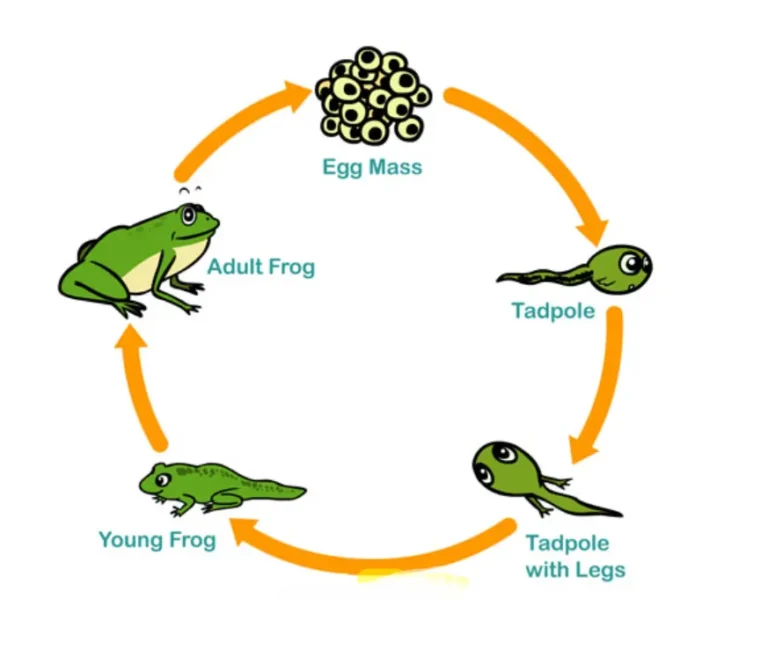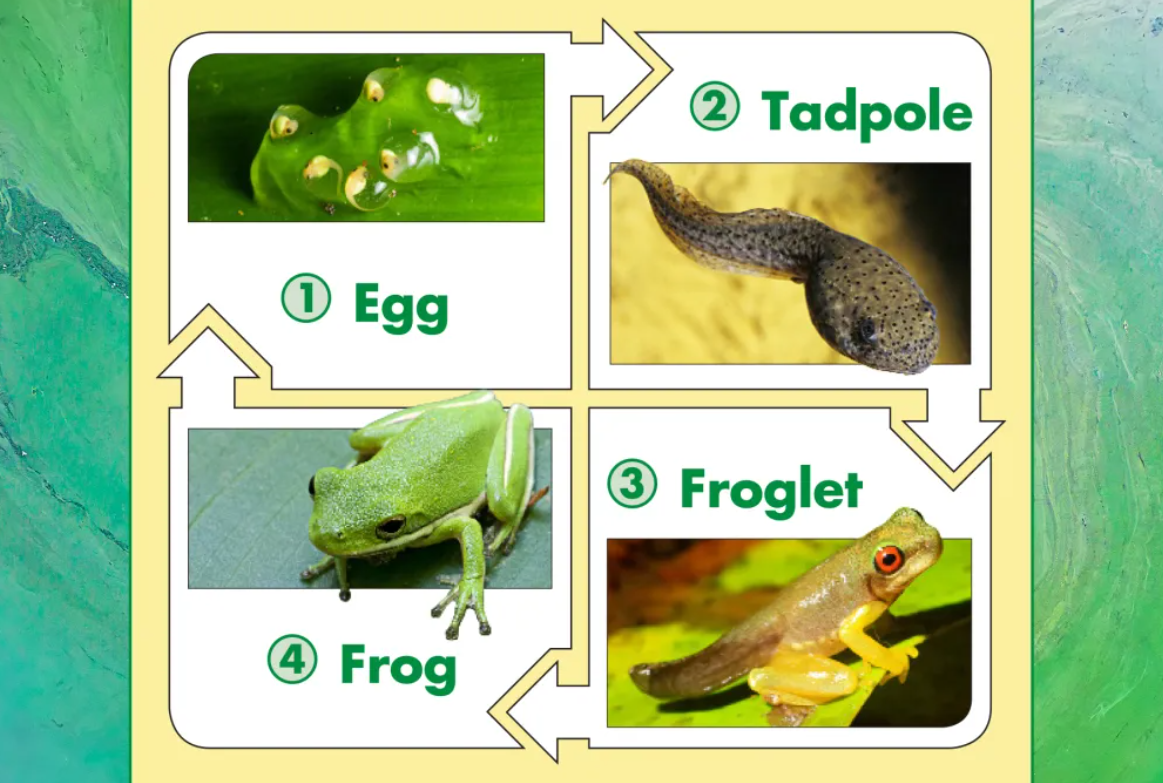
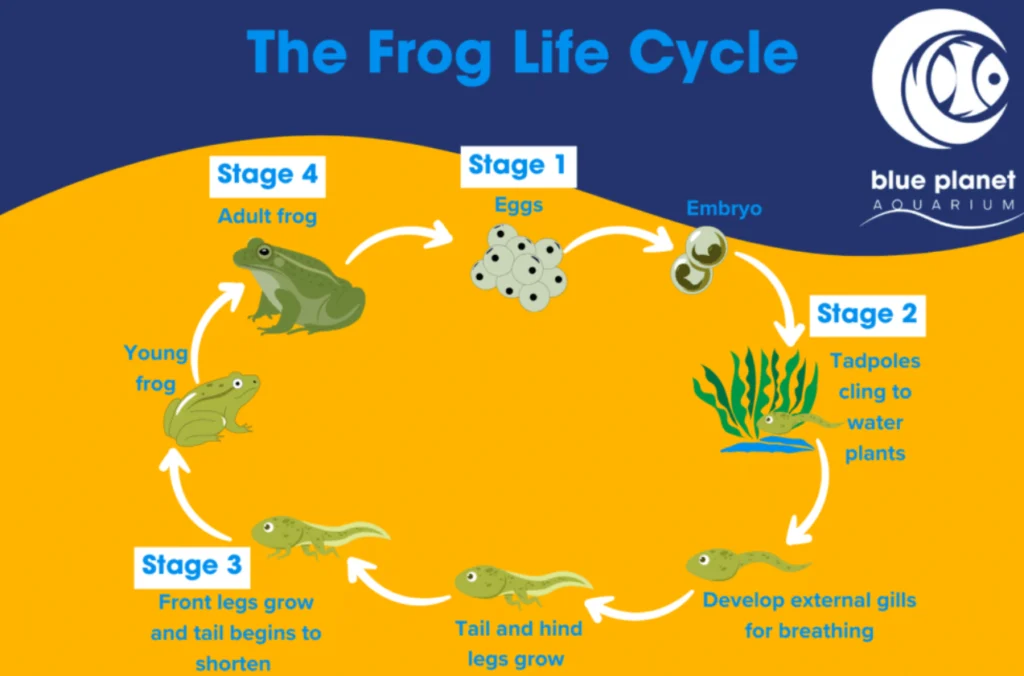
A toad’s life cycle is one of the most interesting natural transformations in the amphibian world. A toad begins life as a tiny egg in water, grows into a swimming tadpole, passes through metamorphosis, and finally becomes an adult toad that can live mostly on land. This life cycle shows how strongly toads depend on both water and land for survival.
Toads belong mainly to the family Bufonidae, often called true toads. They are close relatives of frogs, but most toads have drier, bumpier skin, shorter legs, and a more land-based lifestyle. Their early stage still needs water because tadpoles breathe through gills before developing lungs and legs.
Understanding a toad’s life cycle is useful for students, gardeners, nature lovers, and anyone interested in healthy ecosystems. Toads help control insects, support food chains, and act as signs of environmental health.
Q: How many stages are in a toad’s life cycle?
A: A toad usually has four main stages: egg, tadpole, young toad, and adult toad.
Q: Is a toad the same as a frog?
A: Scientifically, toads are a type of frog, but common toads usually have dry, warty skin, shorter legs, and spend more time on land.
Q: How long does it take for a toad to become an adult?
A: It depends on the species and environment. Some tadpoles change into young toads within weeks, while full maturity may take months or years.
Quick Life Cycle Table
| Stage | Where It Lives | Main Features | What Happens |
| Egg | Water | Soft jelly-like eggs | Females lay eggs, usually in strings |
| Embryo | Inside egg | Tiny developing body | Body parts begin to form |
| Tadpole | Water | Gills, tail, no legs | Swims and feeds mostly on plant material |
| Tadpole with legs | Water | Back legs first, then front legs | Lungs develop, and the tail begins shrinking |
| Young toad | Water edge and land | Small body, tiny legs | Leaves water and starts eating small insects |
| Adult toad | Mostly land | Strong body, dry, bumpy skin | Hunts insects, hides in damp places, and reproduces |
Important Things That You Need To Know
When people search for a toad’s life cycle, they may also see many related terms that do not always mean the same thing. For example, “toad” is a real animal keyword, while “Toad Mario” is a fictional game character from the Mario series. It is popular online but not connected to real amphibian biology.
The phrase frog and toad is more useful for learning because frogs and toads are closely related. In simple terms, all true toads are frogs, but not all frogs are called toads. Toads are usually more land-loving and have rougher skin, while many frogs have smoother skin and longer jumping legs.
Another important term is cane toad. The cane toad, now commonly known scientifically as Rhinella marina, is famous for becoming an invasive species in places such as Australia. It was introduced to control agricultural pests, but it spread widely and harmed native wildlife due to its toxins and strong survival ability.
Terms like ‘toad‘, ‘co’, and ‘best toad in the hole near me‘ represent different search intents. Toad and Co usually refers to a clothing brand, while toad in the hole is a British food dish, not an amphibian topic. So, in this article, the main focus remains on the real animal: its life cycle, diet, reproduction, and ecological role.
The History of Their Scientific Naming
The scientific naming of toads is linked to the history of amphibian classification. Most true toads belong to the family Bufonidae, within the order Anura, which includes frogs and toads. The word Bufo has long been used in scientific names for many toads, especially the well-known common toad, Bufo bufo.
In older taxonomy, many different toad species were placed under the genus Bufo. Later, scientists studied body structure, genetics, geography, and evolutionary relationships more carefully. As a result, many species were moved into other genera, such as Anaxyrus, Duttaphrynus, and Rhinella.
A good example is the cane toad. It was once widely known as Bufo marinus, but modern classification commonly uses Rhinella marina. The United States National Invasive Species Information Center also lists the cane toad as Rhinella marina, formerly Bufo marinus.
This naming history shows that science is not fixed forever. As researchers discover new evidence, names and classifications can change to show more accurate evolutionary relationships.
Their Evolution And Their Origin
The origin of toads goes back deep into amphibian evolution. Toads are part of the larger frog group, but true toads developed special traits that helped them survive in many habitats. These traits include dry, protective skin, strong poison glands, a wide diet, and the ability to live farther from water than many other amphibians.
Modern research suggests that true toads in the family Bufonidae spread widely across the world through a mix of ancient movement, climate change, and evolutionary adaptation. One major biogeography study described true toads as a nearly worldwide group and discussed their rapid expansion across different regions.
Toads became successful because they adapted to both wet and dry conditions. Their eggs and tadpoles still need water, but adults can live in gardens, forests, grasslands, farms, and even semi-dry areas if they can find moisture and shelter.
Different groups of toads evolved in different parts of the world. For example, studies on Bufo toads suggest some lineages developed in Asia millions of years ago, while other true toad groups diversified in Africa, Europe, and the Americas.
Fossil evidence also helps scientists understand toad history. Fossil records of toad relatives, including Rhinella species in South America, show that toads have been part of ancient ecosystems for millions of years.
In short, toads are not simple backyard animals only. They are the result of a long evolutionary journey that has made them tough, adaptable, and ecologically important amphibians.
Their main food and its collection process
Toads are mainly carnivorous after they become young toads and adults. They eat many small animals, especially insects and other invertebrates. Their diet makes them very useful in gardens, farms, forests, and wetlands.
Common food items include:
- Flies
- Mosquitoes
- Beetles
- Ants
- Moths
- Crickets
- Slugs
- Snails
- Worms
- Small spiders and other soft-bodied invertebrates
Wildlife groups often describe frogs, toads, and newts as helpful natural pest controllers because they eat pests such as slugs, beetles, and flies in gardens and crop fields.
Toads hunt for food using a simple yet effective method. They usually sit quietly and wait for prey to move nearby. When an insect comes close, the toad quickly flicks out its sticky tongue and pulls the prey into its mouth.
Most toads are more active during the evening, night, or rainy weather. This helps them avoid drying out under strong sunlight. Their skin needs moisture, so they often hunt in damp soil, near ponds, under leaves, around garden beds, or close to lights where insects gather.
Tadpoles eat differently from adult toads. Many tadpoles feed on algae, soft plant material, microorganisms, and organic matter in water. As they grow and change during metamorphosis, their digestive system and feeding behavior also change. Adult toads become stronger hunters and depend more on moving prey.
This food collection process helps balance nature. By eating insects and small pests, toads reduce pest populations without chemicals.
Their life cycle and ability to survive in nature
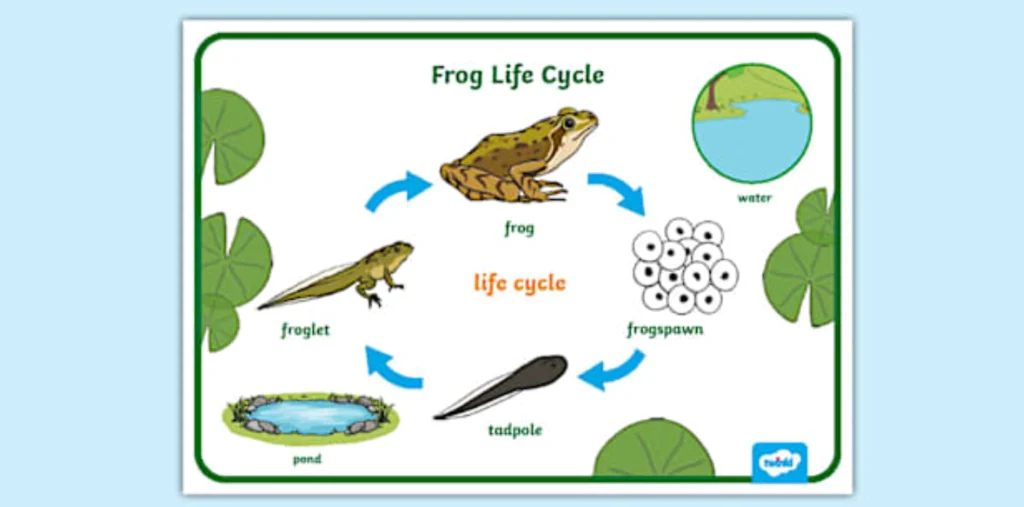
Egg Stage
A toad’s life begins when the female lays eggs in water. Many true toads lay eggs in long, jelly-like strings rather than round clumps. These eggs are usually attached to plants, rocks, or the surfaces of shallow water.
The egg stage is delicate. Fish, insects, birds, and other aquatic animals can eat eggs. Clean, calm, and safe water increases the eggs’ chances of survival.
Tadpole Stage
After hatching, baby toads become tadpoles. At this stage, they live fully in water. Tadpoles have gills for breathing, a tail for swimming, and no legs at first. The Nature Conservancy’s frog and toad life cycle guide explains that tadpoles have a mouth, gills, and a powerful swimming tail.
Metamorphosis Stage
During metamorphosis, the tadpole grows legs, develops lungs, loses its gills, and slowly absorbs its tail. This is the turning point from water life to land life.
Adult Survival
Adult toads survive by hiding, camouflaging, releasing toxins from skin glands, and staying active in moist conditions. Their rough, brown, grey, or greenish skin helps them blend into soil, leaves, and bark.
Their Reproductive Process and raising their children
Toads reproduce through external fertilization. This means the female lays eggs, and the male fertilizes them outside her body. During mating, the male usually holds the female from behind in a position called amplexus. This helps him fertilize the eggs as they are released.
The reproductive process usually follows these steps:
- Calling: Male toads call to attract females during the breeding season.
- Finding water: Adults move toward ponds, ditches, wetlands, temporary pools, or slow-moving water.
- Amplexus: The male grips the female securely during mating.
- Egg laying: The female lays eggs, often in long jelly strings.
- External fertilization: The male releases sperm over the eggs.
- Hatching: Eggs hatch into tadpoles after a few days, depending on species and temperature.
- Tadpole growth: Tadpoles swim, feed, and grow in water.
- Metamorphosis: Tadpoles develop legs and lungs before becoming young toads.
Most toads do not raise their children like mammals or birds. After laying eggs, many adult toads leave the eggs to develop naturally. However, they improve survival by choosing suitable breeding sites.
Some species can lay very large numbers of eggs because many eggs and tadpoles will not survive. For example, cane toads may lay eggs in long jelly-like strings, and Animal Diversity Web notes that they can lay more than 30,000 eggs at a time.
The importance of them in this Ecosystem
Natural Pest Control
Toads are valuable because they eat many insects and garden pests. They can reduce populations of mosquitoes, flies, beetles, slugs, and other small invertebrates. This makes them helpful for gardens, farms, and natural habitats.
Instead of using chemical pesticides, a healthy toad population can support natural pest control. This is better for soil, plants, water, and other wildlife.
Food Chain Support
Toads are both predators and prey. They eat small animals, but snakes, birds, mammals, fish, and larger amphibians also eat them. This makes them an important part of the food web.
If toads disappear from an ecosystem, both pest populations and predator populations can be affected. This can create an imbalance in the local environment.
Environmental Health Indicator
Toads have sensitive skin that can absorb water and chemicals from the environment. As a result, they are often affected by pollution, pesticides, habitat loss, and climate change.
When toad populations decline, it may be a warning sign that the Ecosystem is under stress. Their presence often suggests that the area still has enough moisture, insects, shelter, and clean breeding sites.
Nutrient Cycling
Tadpoles help clean water by feeding on algae and organic matter. Adult toads move nutrients between water and land as they grow, feed, and become prey for other animals.
What to do to protect them in nature and save the system for the future
To protect toads, we need to protect both their aquatic and terrestrial habitats. A toad cannot complete its life cycle without safe breeding water and moist hiding places on land.
- Protect ponds, wetlands, and small water bodies so toads can lay eggs safely.
- Avoid pesticides and lawn chemicals because toads have sensitive skin that can absorb harmful substances. The National Wildlife Federation warns that pesticides and lawn chemicals can be deadly to toads because their skin takes in toxins easily.
- Keep native plants in gardens because native plants attract insects, and insects are the main food source for adult toads.
- Create hiding places using logs, leaf litter, rocks, or a simple shaded “toad house.”
- Do not remove every fallen leaf because leaf litter keeps soil damp and provides shelter.
- Reduce outdoor chemical sprays around homes, farms, and gardens.
- Keep breeding pools clean and avoid dumping oil, detergent, plastic, or household waste into drains and ponds.
- Drive carefully at night during the rainy season, as many toads cross roads during the breeding season.
- Do not collect wild toads as pets because removing them weakens local populations.
- Control invasive species carefully because invasive predators or invasive toads can damage native ecosystems.
- Teach children about amphibians so they learn to respect toads rather than fear them.
Protecting toads is not only about saving one animal. It also helps protect insects, plants, birds, soil, water, and the wider Ecosystem.
Frequently Asked Questions (FAQs)
Q1: What is a toad’s life cycle?
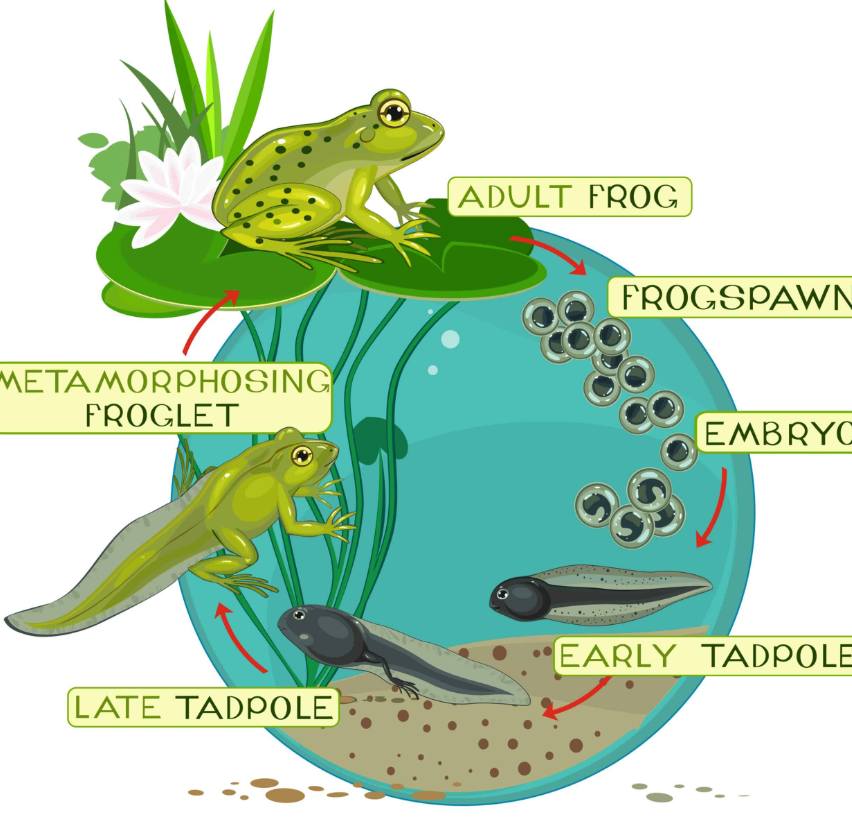
A: A toad’s life cycle is the natural development from egg to tadpole, then young toad, and finally adult toad. It starts in water and later moves mostly to land.
Q2: Where do toads lay their eggs?
A: Most toads lay eggs in ponds, wetlands, ditches, temporary pools, or calm shallow water. Many species lay eggs in long, jelly-like strings.
Q3: What do baby toads look like?
A: Baby toads first hatch as tadpoles. They look like tiny swimming larvae with tails and gills. After metamorphosis, they become small young toads with legs and lungs.
Q4: What do toads eat?
A: Adult toads mostly eat insects, worms, slugs, snails, beetles, flies, ants, moths, and other small invertebrates.
Q5: How are toads different from frogs?
A: Toads usually have drier, bumpier skin, shorter legs, and spend more time on land. Frogs often have smoother skin and longer legs, but scientifically, toads are still part of the frog group.
Q6: Are toads poisonous?
A: Many toads have skin glands that release toxins when threatened. These toxins help protect them from predators. Some species, such as the cane toad, are especially toxic to pets and wildlife.
Q7: Why are toads important for gardens?
A: Toads eat many garden pests, including slugs, beetles, flies, and other insects. This makes them helpful natural pest controllers.
Q8: How can I attract toads safely to my garden?
A: Keep a chemical-free garden, plant native plants, leave damp hiding spaces, provide shallow water, and avoid disturbing leaf litter or logs.
Conclusion
A toad’s life cycle is a powerful example of natural change and survival. From a soft egg in water to a swimming tadpole, then a young land-living toad, and finally a mature adult, each stage has a special purpose. Toads need clean water for breeding, damp land for shelter, and enough insects for food.
They are more than small backyard animals. Toads help control pests, support food chains, recycle nutrients, and show the health of the environment. Their decline can warn us about pollution, habitat loss, and ecosystem damage.
Protecting toads means protecting ponds, wetlands, native plants, clean soil, and safe garden spaces. When people understand their life cycle and value, they are more likely to protect it. A healthy place for toads is often a healthier place for many other living things, too.
Also Read: butterfly life cycle
About the Author