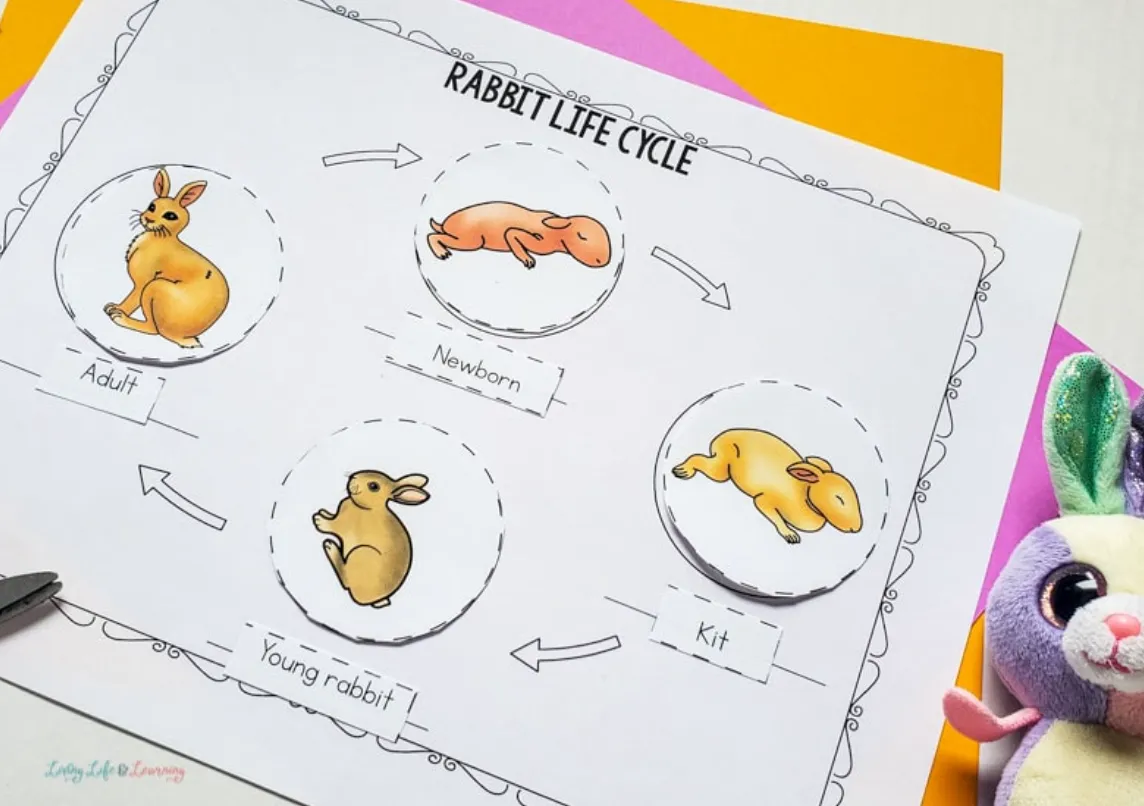
The bunny rabbit life cycle explains how a rabbit grows from a tiny newborn kit into a young rabbit, then an adult, and finally an older rabbit. A baby rabbit is called a kit or kitten. Unlike baby hares, newborn rabbits are born blind, hairless, and helpless, so they fully depend on the mother during the first days of life. Rabbits are mammals in the family Leporidae, and the common domestic bunny comes from the European rabbit, scientifically known as Oryctolagus cuniculus.
A rabbit’s life cycle is fast compared with many mammals. Pregnancy usually lasts about 31 to 33 days in domestic rabbits, and newborn kits begin opening their eyes and ears around day 10. With proper care, a pet bunny can live around 8 to 12 years, while many wild rabbits live much shorter lives because of predators, disease, weather, and food shortages.
Q: How long is a bunny rabbit pregnant?
A: A rabbit pregnancy usually lasts about 31 to 33 days.
Q: What are baby rabbits called?
A: Baby rabbits are called kits or kittens.
Q: When do baby rabbits open their eyes?
A: Most baby rabbits open their eyes and ears around 10 days after birth.
Quick Life Cycle Table
| Stage | Age Range | What Happens |
| Newborn Kit | Birth to 2 weeks | Born blind, hairless, and fully dependent on her mother |
| Growing Kit | 2 to 4 weeks | Fur grows, eyes open, and it starts moving and nibbling soft food |
| Juvenile Rabbit | 4 weeks to 3–6 months | Weaning happens, the body grows quickly, and more active behavior appears |
| Adult Rabbit | 3–6 months onward | Becomes sexually mature depending on breed size |
| Senior Rabbit | Usually 6+ years in pets | Slower movement, needs careful diet, dental care, and vet support |
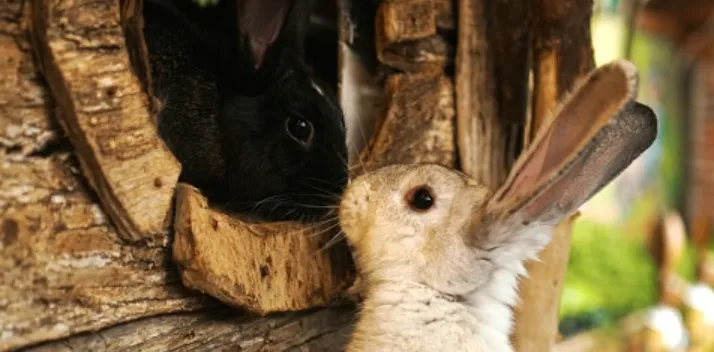
The History of Their Scientific Naming, Evolution and Their Origin.
Scientific Naming
The domestic bunny rabbit is the species Oryctolagus cuniculus, also known as the European rabbit. In scientific classification, it belongs to the Kingdom Animalia, Class Mammalia, Order Lagomorpha, and Family Leporidae. Rabbits are not rodents; they are lagomorphs, a group that includes rabbits, hares, and pikas.
Evolution and Origin
The European rabbit is native mainly to the Iberian Peninsula and nearby parts of France and northwest Africa. Over time, humans carried rabbits to many other places for food, fur, hunting, and companionship. Today, domestic rabbits are found worldwide, but their biological root still connects back to Oryctolagus cuniculus.
Domestication History
Rabbits became useful to humans because they reproduce quickly, grow fast, and adapt to different environments. Selective breeding later created many pet rabbit breeds with different sizes, colors, fur types, and ear shapes. That is why a tiny dwarf bunny and a large Flemish Giant may look very different, but they still share the same domestic rabbit ancestry.
Their Reproductive Process, Giving Birth, And Rising Their Children
Mating and Ovulation
Rabbits are known for their strong reproductive ability. Female rabbits, called does, are induced ovulators, meaning egg release is triggered by mating rather than a fixed monthly cycle. This helps explain why rabbits can reproduce quickly when food, shelter, and environmental conditions are suitable.
Pregnancy and Nest Building
A pregnant doe usually carries her kits for about 31 to 33 days. Near the end of pregnancy, she prepares a nest using hay, bedding material, and fur pulled from her own body. This fur-lined nest keeps the newborn kits warm because they cannot control their body temperature well during the first week.
Birth of Kits
Rabbit kits are born naked, blind, and deaf. They are very small and fragile at birth. The mother usually nurses them only briefly, often once or twice a day, because rich rabbit milk gives the babies a strong energy supply in a short time.
Raising the Young
The kits grow quickly. Hair appears within a few days, and eyes and ears usually open around day 10. By about 3 to 4 weeks, young rabbits begin eating more solid food and become more independent. Wild rabbits face significant danger during this stage, but protected pet rabbits can survive and thrive with safe housing and proper nutrition.
Stages of Bunny Rabbit Life Cycle
1. Newborn Kit Stage
The first stage of the bunny rabbit life cycle begins at birth. A newborn rabbit is called a kit. It is born without fur, with closed eyes, and with very limited movement. At this stage, warmth is critical because newborn kits cannot regulate body temperature properly during the first days of life.
The mother keeps the kits in a nest and feeds them rich milk. In the wild, nests are usually hidden to reduce attention from predators. In captivity, a clean nest box is important for safety.
2. Growing Kit Stage
The second stage happens from around 2 to 4 weeks. Fur becomes thicker, eyes open, ears open, and the baby rabbits start exploring. They begin nibbling hay, grass, or other soft plant material while still partly dependent on the mother’s milk.
This stage is very important because the digestive system begins to adjust to fibrous foods. Sudden diet changes can be harmful, so young rabbits need gentle food transitions.
3. Juvenile Rabbit Stage
The third stage is the juvenile stage. This usually begins after weaning. Young rabbits become active, curious, and playful. They practice hopping, grooming, foraging, and social behavior.
Sexual maturity depends on breed size. Small breeds may mature around 3.5 to 4 months, medium-to-large breeds around 4 to 4.5 months, and giant breeds later, around 6 to 9 months.
4. Adult and Senior Stage
The adult stage is when the rabbit is fully grown and able to reproduce. Adult rabbits need a high-fiber diet, safe shelter, exercise, and dental care. Their teeth continue to grow throughout life, so chewing hay and grass helps wear them naturally.
The senior stage usually begins around 6 years or older in pet rabbits. Older rabbits may move less, need softer resting areas, and require closer health checks.
Important Things That You Need To Know
When people search for bunny rabbit life cycle, they often also search related creative or pet-care terms such as bunny rabbit drawing, bunny rabbit cartoon, how to draw a bunny rabbit, and stuffed bunny rabbit. These terms are useful because rabbits are popular in education, art, toys, children’s stories, and pet-care content.
A bunny rabbit drawing can help children learn the body parts of a rabbit, such as long ears, hind legs, whiskers, nose, and fluffy tail. A bunny rabbit cartoon is often used in school materials, storybooks, and beginner animal lessons because it makes the topic more approachable and easier to remember.
Many users also search for how to draw a bunny rabbit because it connects science learning with creativity. For example, a teacher may explain the rabbit life cycle and then ask students to draw the newborn kit, a young bunny, an adult rabbit, and a senior rabbit.
A stuffed bunny rabbit is not part of the real life cycle, but it is connected to how children build emotional interest in rabbits. It can make learning softer and more fun.
One LSI phrase, bunny rabbit robot r34, is not a biological term and may lead to unrelated or unsafe search results depending on context. For an educational rabbit article, it is better to keep the focus on real rabbits, family-safe drawings, cartoons, toys, and life-cycle learning.
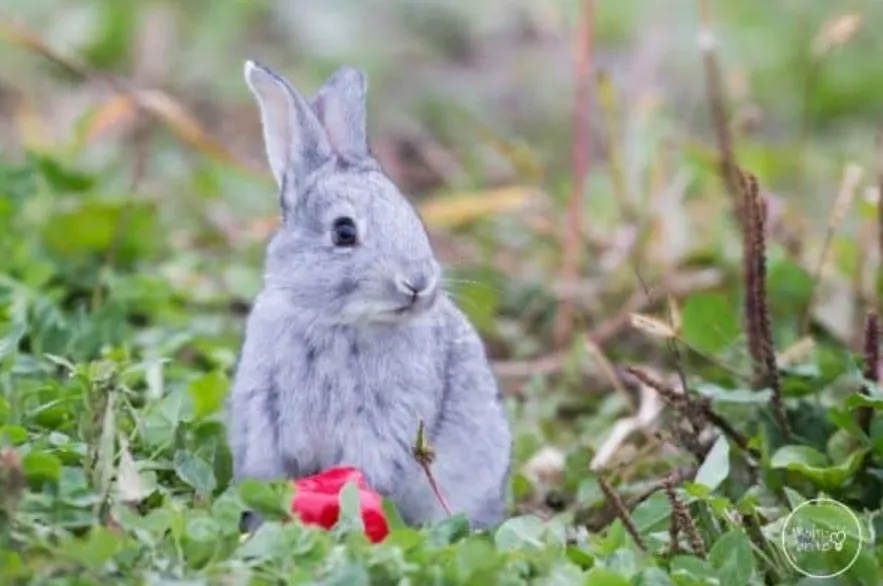
Their main diet, food sources, and collection process are explained
Main Diet
Rabbits are herbivores, which means they eat plant-based food. In nature, they feed on grasses, leaves, buds, roots, bark, and other available vegetation. Pet rabbits should eat a diet that closely matches this natural feeding pattern.
Hay and Grass
For pet rabbits, fresh hay and grass should be the main diet. RSPCA guidance says most of a rabbit’s diet should be fresh hay and grass, supported by leafy greens and a small number of pellets. PDSA also recommends unlimited hay or grass, at least a bundle as big as the rabbit each day.
Leafy Greens and Safe Plants
Rabbits can eat safe leafy greens, herbs, and vegetables. Examples include kale, parsley, coriander, mint, rocket, and spring greens. Fresh food should be washed properly and introduced slowly to avoid stomach upset.
Food Collection Process
Wild rabbits collect food by grazing and foraging, often during safer times such as evening, night, or early morning. They stay close to burrows so they can escape quickly if predators appear.
Pet rabbits should also be encouraged to forage. Scattering pellets or hiding greens in hay can support natural behavior and reduce boredom.
Cecotrophy
Rabbits produce special soft droppings called cecotropes and eat them to absorb extra nutrients. This is normal and important for their digestion. It allows high-fiber foods to pass through the digestive system twice, improving nutrient absorption.
How Long Does A Bunny Rabbit Live
The lifespan of a bunny rabbit depends on whether it lives in the wild, in a home, or in poor captive conditions. Pet rabbits usually live longer because they have shelter, food, medical care, and protection from predators.
A wild rabbit’s life is much harder. It must deal with foxes, birds of prey, dogs, cats, snakes, disease, harsh weather, and limited food. As a result, many wild rabbits do not survive their first year. Animal Diversity Web notes that mortality in the first year of wild rabbit life can be very high.
Pet rabbits can live much longer when their needs are properly met. The MSD Veterinary Manual states that well-cared-for pet rabbits, spayed or neutered early, may have a life expectancy of 8 to 12 years.
Key points about rabbit lifespan:
- Wild rabbits often live shorter lives due to predators, disease, and environmental hazards.
- Pet rabbits commonly live around 8 to 12 years with good care, safe housing, and a proper diet.
- Diet matters deeply because rabbits need a high-fiber diet to support gut and dental health.
- Dental care is important because rabbit teeth grow continuously throughout life.
- Safe exercise space helps rabbits stay active, avoid obesity, and express natural behavior.
- Spaying or neutering can improve pet rabbit health and reduce unwanted breeding.
- Companionship matters because rabbits are social animals and often do better with bonded rabbit partners.
- Stress reduction can support a longer life, especially because rabbits are prey animals that can become easily frightened.
- Regular vet checks help detect dental disease, gut problems, parasites, and age-related conditions early.
- Clean water must always be available because dehydration can quickly affect rabbit health.
Bunny Rabbit Lifespan in the Wild vs. in Captivity
Lifespan in the Wild
A wild bunny rabbit may only live a short time, often less than a few years. Many young rabbits die before reaching adulthood because they are prey for foxes, stoats, cats, hawks, owls, and other predators. Wild rabbits also face disease, bad weather, food shortages, and habitat loss.
Lifespan in Captivity
A pet bunny rabbit can live much longer when it receives proper care. With good food, clean shelter, exercise, and veterinary support, many pet rabbits live 8 to 12 years. This longer lifespan is possible because captive rabbits avoid most predators and have steady access to food and water.
Why the Difference Is So Big
The main difference is risk. Wild rabbits must survive daily danger, while pet rabbits depend on human care. However, captivity only extends lifespan when the rabbit is properly cared for. A poor diet, small cage, loneliness, or lack of vet care can shorten a pet rabbit’s life.
Importance of Bunny Rabbit in this Ecosystem
Prey for Many Animals
Rabbits are important prey animals. They support food chains by feeding predators such as foxes, stoats, wild cats, hawks, owls, and other carnivores. In some ecosystems, fewer rabbits can affect predator populations that depend on them.
Grazing and Vegetation Control
Rabbits shape plant communities through grazing. Their feeding can keep grasses shorter and create open spaces where different plants, insects, and small animals can live. In Mediterranean habitats, European rabbits are considered keystone species and ecosystem engineers because their burrowing, grazing, and latrine behavior can increase habitat diversity.
Soil and Burrow Systems
Rabbit burrows, called warrens, can change soil structure and create shelter areas. Some other small animals may use old burrows for hiding or nesting. Rabbit digging also mixes soil and affects how nutrients move through the ground.
Balance in Nature
Rabbits are beneficial in their native ecosystems, but they can become invasive when introduced into areas without natural controls. In non-native areas, too many rabbits may damage crops, native plants, and fragile habitats. So their ecosystem role depends strongly on location.
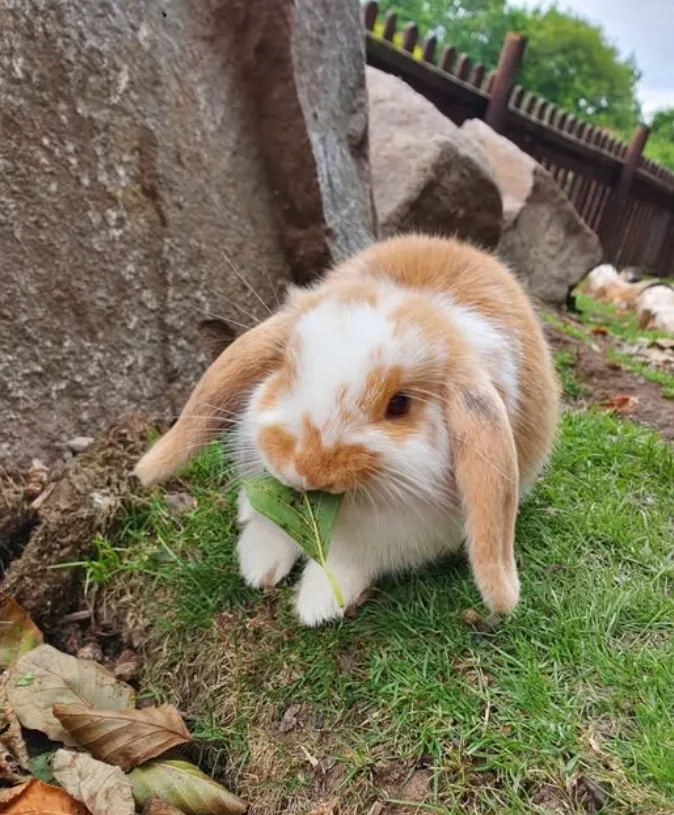
What to do to protect them in nature and save the system for the future
Protect Natural Habitats
- Keep grasslands, scrublands, dunes, and safe burrowing areas healthy.
- Avoid destroying burrows during land clearing.
- Support habitat restoration to help native rabbit populations recover.
Reduce Chemical Harm
- Avoid using harmful pesticides and weed killers in rabbit habitats.
- Chemicals can poison rabbits directly or reduce their food sources.
- Safer land management helps insects, plants, and birds, too.
Control Pets Responsibly
- Do not release pet rabbits into the wild.
- Released rabbits may die quickly or become invasive in the wrong ecosystem.
- Spay or neuter pet rabbits to prevent unwanted breeding.
Support Predator–Prey Balance
- Protect natural predators as part of the ecosystem.
- A healthy predator-prey balance prevents overpopulation.
- In native ranges, rabbits also support endangered predators.
Educate People
- Teach children and adults the real bunny rabbit life cycle.
- Share correct diet and care information.
- Encourage people to respect wild rabbits rather than disturb their nests or burrows.
Fun & Interesting Facts About Bunny Rabbit
- Rabbits are not rodents. They belong to the order Lagomorpha.
- A baby rabbit is called a kit or kitten.
- Rabbit teeth grow continuously throughout life, so they need high-fiber chewing foods like hay and grass.
- Rabbits can make warning signals by thumping their hind feet on the ground.
- Rabbits are prey animals, so they often hide signs of illness. This is why pet rabbits need careful observation.
- A group of rabbit burrows is called a warren.
- Rabbits eat special soft droppings called cecotropes to gain extra nutrients.
- Newborn rabbits are born blind and hairless, unlike hares, which are born with fur and open eyes.
- Pet rabbits should not live only on carrots. Carrots are high in sugar and should be occasional treats, not daily main food.
- A happy rabbit may jump and twist in the air. This joyful movement is often called a binky.
Frequently Asked Questions (FAQs)
Q: What is the complete bunny rabbit life cycle?
A: The complete bunny rabbit life cycle includes newborn kits, growing kits, juvenile rabbits, adult rabbits, and senior rabbits.
Q: How long does it take for a bunny rabbit to grow up?
A: Young rabbits grow quickly. Many become independent after about 4 weeks, but full maturity depends on breed size.
Q: How many babies can a rabbit have?
A: A rabbit litter can vary, but European rabbits often have an average litter of around 5 to 6 young.
Q: What do bunny rabbits eat during their life cycle?
A: Rabbits mainly eat hay, grass, leafy greens, herbs, and safe plants. Pet rabbits should have constant access to hay or grass.
Q: How long does a bunny rabbit live as a pet?
A: A well-cared-for pet rabbit can often live around 8 to 12 years, especially with proper diet, exercise, housing, and veterinary care.
Conclusion
The bunny rabbit life cycle is a fast, fascinating journey from a helpless newborn kit to a curious young rabbit, a reproductive adult, and finally a gentle senior bunny. Understanding this cycle helps people care for rabbits better and respect their role in nature. Rabbits need more than cuteness and carrots. They need hay, grass, clean water, a safe space, social care, and protection from stress.
In the wild, rabbits are important prey animals and natural grazers. In homes, they can become loving long-term companions when owners understand their needs. The best way to protect rabbits is to protect their habitats, avoid releasing pets into nature, manage land responsibly, and teach accurate rabbit care. A well-informed person can help both pet rabbits and wild ecosystems stay healthier for the future.
Also Read: boxelder bug life cycle
About the Author