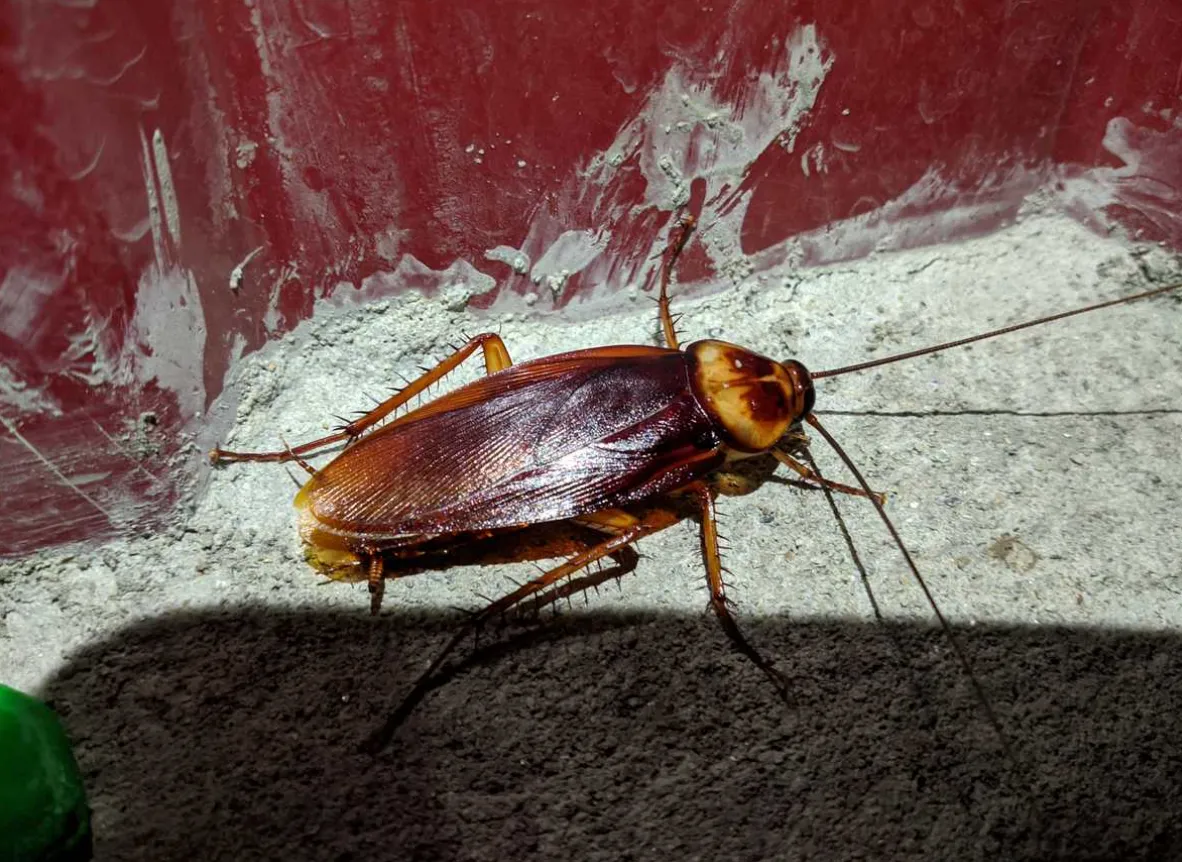
The cockroach life cycle is one of the most fascinating and resilient processes in the insect world. Cockroaches have existed for millions of years, adapting to almost every environment on Earth. From homes to forests, these insects thrive due to their strong survival instincts and unique developmental stages.
Understanding the Cockroach life cycle helps with both cockroach control and the appreciation of their ecological importance. Whether you’re dealing with an American cockroach, spotting a baby cockroach, or learning about their behaviour, knowing how they grow and reproduce is essential.
Quick Answers (Most Common Questions)
1. What are the stages of the cockroach life cycle?
Cockroaches go through three stages: egg (ootheca), nymph (baby cockroach), and adult.
2. How long does a cockroach live?
Depending on the species, a cockroach can live from 6 months to over 2 years.
3. How fast do cockroaches reproduce?
Very quickly. A single female can produce hundreds of offspring in her lifetime.
Quick Life Cycle Table
| Stage | Description | Duration |
| Egg (Ootheca) | Egg case containing multiple embryos | 1–2 months |
| Nymph | Small, wingless immature cockroach | 2–12 months |
| Adult | Fully developed, reproductive stage | 6 months–2 years |
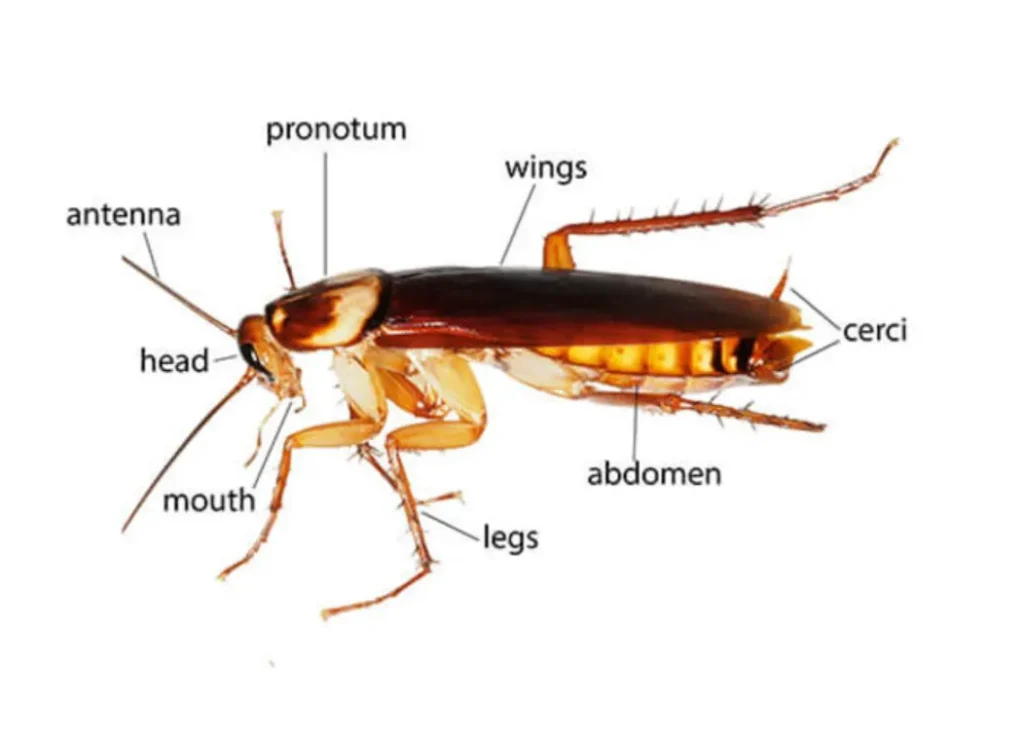
The History Of Their Scientific Naming
Cockroaches belong to the order Blattodea, which also includes termites. Their scientific names have evolved as scientists have studied their structure and behaviour.
- The word “cockroach” comes from the Spanish term cucaracha
- First classified scientifically in the 18th century
- The American cockroach is named Periplaneta americana
- The Oriental cockroach is known as Blatta orientalis
- Over 4,600 species have been identified worldwide
- Only about 30 species are considered pests
Scientists originally grouped cockroaches with other insects, but later recognised their unique characteristics. Modern taxonomy links them closely with termites due to shared evolutionary traits.
Their Evolution And Their Origin
Cockroaches are among the oldest insects on Earth, dating back over 300 million years. Fossil evidence shows that ancient cockroach-like insects existed even before dinosaurs.
These early cockroaches had similar body structures but lacked some modern adaptations, such as advanced wings. Over time, they evolved to survive extreme environmental changes.
Cockroaches adapted to different climates, from tropical forests to urban environments. Their ability to eat almost anything, hide in small spaces, and reproduce quickly made them highly successful.
Natural selection played a key role in their evolution. Those with better survival traits—like resistance to toxins or faster reproduction—thrived and passed on their genes.
Today, species like the American cockroach and Oriental cockroach are common worldwide. Their evolutionary success stems from their flexibility and resilience, making them among the most adaptable creatures on Earth.
Their Main Food and Its Collection Process
Cockroaches are omnivores and scavengers. Their feeding habits are one of the main reasons they survive in diverse environments.
What Cockroaches Eat
- Food scraps and leftovers
- Decaying organic matter
- Paper, glue, and cardboard
- Grease and oils
- Even cockroach poop in extreme conditions
How They Collect Food
- Use antennae to detect food sources
- Follow scent trails left by other cockroaches
- Prefer dark, moist environments
- Feed mostly at night
Cockroaches are highly efficient feeders. Their strong mouthparts allow them to chew tough materials. They can survive weeks without food but only a few days without water.
This adaptability makes them difficult to control, which is why products like Advion cockroach gel bait are used in pest management.
Important Things That You Need To Know
Understanding cockroaches deeply helps both control and appreciate them. Below are key insights using important related terms.
About Cockroaches and Their Types
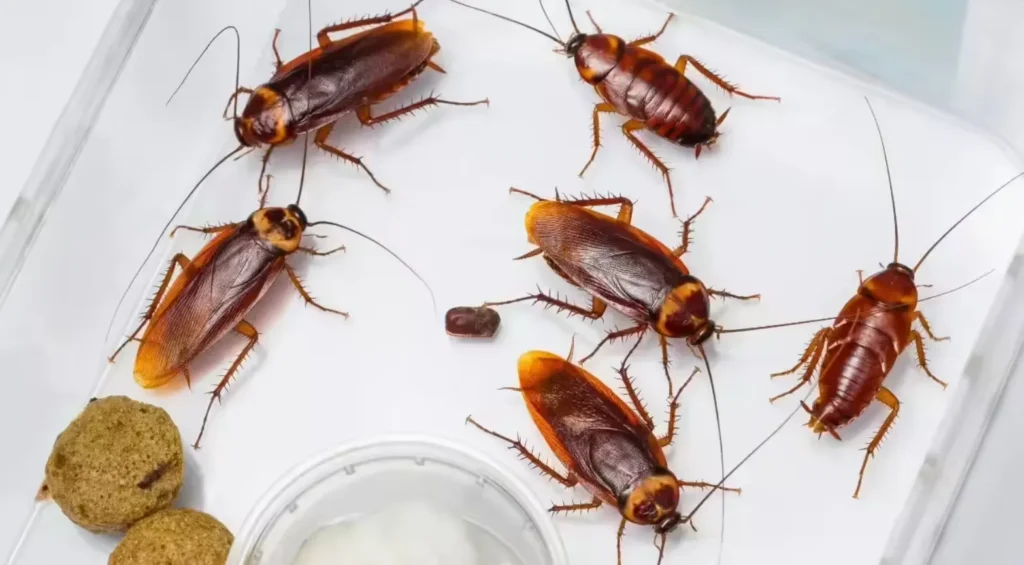
The term “cockroach” encompasses many species, but the most common are the American and Oriental cockroaches. These species differ in size, habitat, and behaviour.
Baby Cockroach Behaviour
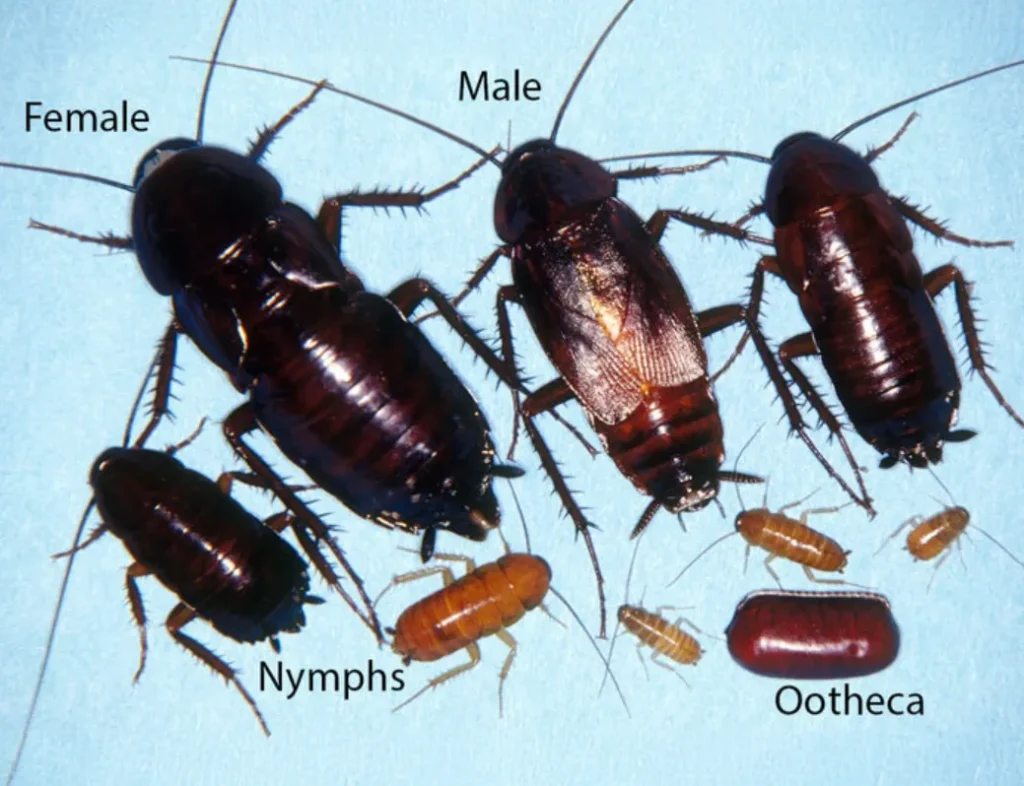
A baby cockroach (nymph) looks like a smaller version of the adult, but without wings. They grow by moulting several times.
Cockroach Poop Identification
Cockroach poop appears as small black specks and is often found near food sources or hiding places. It can trigger allergies and spread bacteria.
Cockroach Control Methods
Effective cockroach control includes cleanliness, sealing cracks, and using baits like Advion Cockroach Gel Bait.
Use of Modern Solutions
Modern pest control methods combine chemical and natural approaches to safely and effectively reduce infestations.
Their Life Cycle and Ability to Survive in Nature
Egg Stage (Ootheca)
Female cockroaches produce egg cases called oothecae. Each case contains multiple eggs, sometimes up to 50.
Nymph Stage
Once hatched, nymphs begin feeding immediately. They moult several times before becoming adults.
Adult Stage
Adult cockroaches are fully developed and capable of reproduction. They can survive harsh conditions and adapt quickly.
Cockroaches can live without food for weeks and withstand high levels of radiation. Their flat bodies help them hide in tight spaces, enhancing survival.
Their Reproductive Process and Raising Their Children
Cockroaches reproduce rapidly, which contributes to their population growth.
Reproduction Process
- The female produces an ootheca (egg case)
- Each ootheca contains multiple eggs
- Eggs hatch into nymphs
Parental Behavior
- Some species carry egg cases until hatching
- Others hide them in safe places
- Minimal parental care after hatching
Growth of Offspring
- Nymphs grow through molting
- Each moult increases size
- Reach adulthood within months
This efficient reproduction ensures survival even in harsh conditions.
Importance of Them in this Ecosystem
Decomposition Role
Cockroaches help break down organic matter, recycling nutrients back into the soil.
Food Source
They serve as food for birds, reptiles, and other insects.
Soil Health
By feeding on decaying material, they improve soil fertility.
What to Do to Protect Them in Nature and Save the System for the Future
- Avoid excessive pesticide use in natural habitats
- Maintain ecological balance by protecting biodiversity
- Support natural pest predators like birds
- Reduce pollution and habitat destruction
- Use eco-friendly pest control methods
- Educate people about their ecological importance
- Preserve forests and natural environments
Frequently Asked Questions (FAQs)
1. How many eggs does a cockroach lay?
A female can lay up to 300–400 eggs in her lifetime.
2. What is a baby cockroach called?
It is called a nymph.
3. Where do cockroaches hide?
They hide in dark, moist areas, such as cracks, drains, and kitchens.
4. Do cockroaches fly?
Some species, such as the American cockroach, can glide or fly short distances.
5. What attracts cockroaches?
Food, water, warmth, and shelter attract them.
6. How can I control cockroaches at home?
Keep your home clean and use baits like Advion cockroach gel bait.
7. Are cockroaches harmful?
Yes, they can spread bacteria and trigger allergies.
8. How long can a cockroach live without food?
Up to a month without food, but only about a week without water.
Conclusion
The cockroach life cycle is a remarkable example of survival and adaptability. From egg to adult, cockroaches undergo efficient developmental stages that ensure their survival even in challenging environments.
While often seen as pests, cockroaches play an important role in ecosystems by recycling nutrients and supporting food chains. Understanding their behaviour, feeding habits, and reproductive habits can help manage infestations effectively.
By balancing control methods with ecological awareness, we can reduce their negative impact while preserving their role in nature. Learning about cockroaches not only helps in pest control but also deepens our understanding of the natural world.
Also Read: grasshopper life cycle1
About the Author