The roach life cycle is one of the most fascinating and resilient biological processes in the insect world. Cockroaches, often simply called “roaches,” have existed for hundreds of millions of years, making them among the oldest surviving insect species on Earth. Their ability to adapt, survive extreme conditions, and reproduce efficiently has made them both admired by scientists and disliked by homeowners.
Understanding the roach life cycle is essential not only for pest control but also for appreciating their role in nature. From tiny eggs hidden in protective cases to fully grown adults capable of thriving in harsh environments, roaches demonstrate remarkable biological efficiency. In 2026, ongoing research continues to reveal new insights into their survival mechanisms, genetic adaptability, and ecological contributions.
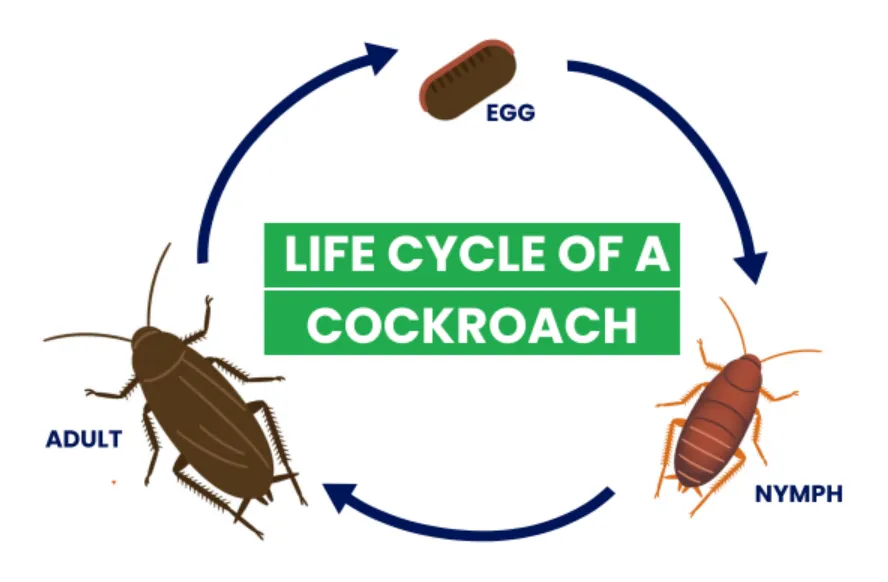
Roaches are often associated with dirty environments, but in reality, many species live in forests, deserts, and even caves. Only a small percentage of species are considered pests. Their life cycle consists of three main stages: egg, nymph, and adult. Each stage is uniquely adapted to ensure survival and reproduction.
This article provides a comprehensive, SEO-optimized overview of the roach life cycle, including its evolution, scientific classification, reproduction, ecological importance, and modern insights. Whether you are a student, researcher, or simply curious, this guide will help you understand why roaches remain one of the most successful organisms on the planet.
Their Evolution And Their Origin
Cockroaches have an evolutionary history dating back more than 300 million years, even before the age of the dinosaurs. Fossil evidence suggests that early cockroach-like insects appeared during the Carboniferous period. These ancient insects already had many features similar to modern roaches, such as flattened bodies and long antennae.
Ancient Origins
The earliest roach ancestors were larger and more primitive. Over time, they evolved into more compact, adaptable forms. Unlike many species that went extinct, cockroaches survived major environmental changes, including mass extinction events.
Adaptation and Survival
One reason for their long survival is their incredible adaptability. Roaches can:
- Eat almost anything, including organic waste
- Survive without food for weeks
- Live in extreme temperatures
- Develop resistance to toxins and chemicals
Modern studies in 2026 highlight their genetic flexibility, which allows them to evolve quickly in response to environmental changes.
Evolutionary Relationships
Cockroaches belong to the order Blattodea, which also includes termites. Scientists discovered that termites evolved from cockroach ancestors, making them close relatives. This connection explains similarities in behavior, such as social organization and cellulose digestion.
Global Distribution
Today, there are over 4,600 species of cockroaches worldwide. However, only about 30 species are considered pests. The rest contribute positively to ecosystems, particularly in tropical forests.
Modern Evolution Trends
Recent research shows that urban cockroaches are evolving resistance to pesticides faster than ever. This ongoing evolution makes them a significant subject of study in biology and environmental science.
The History of Their Scientific Naming
The scientific classification of cockroaches has evolved significantly over time as researchers gained a deeper understanding of their biology and relationships.
Key Points in Scientific Naming
- Order Classification
- Cockroaches are classified under the order Blattodea, which now also includes termites.
- Early Naming History
- Early scientists grouped roaches with other insects based on physical features such as wings and body shape.
- Modern Taxonomy
- Advances in DNA analysis have refined their classification, placing termites in the same order based on genetic similarities.
- Family Categories
- Some common cockroach families include:
- Blattidae
- Ectobiidae
- Blaberidae
- Scientific Names of Common Species
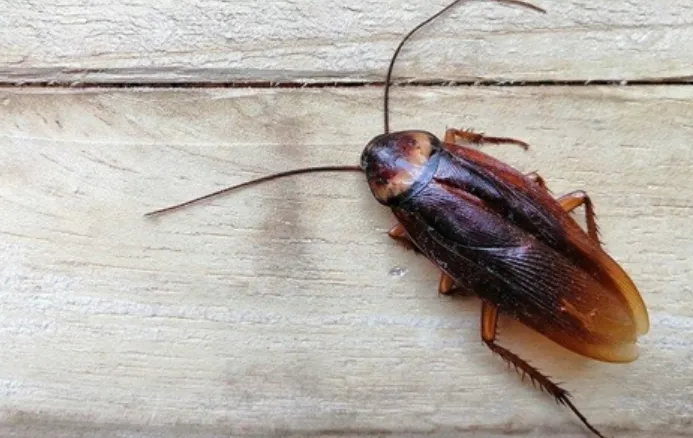
- American cockroach: Periplaneta americana
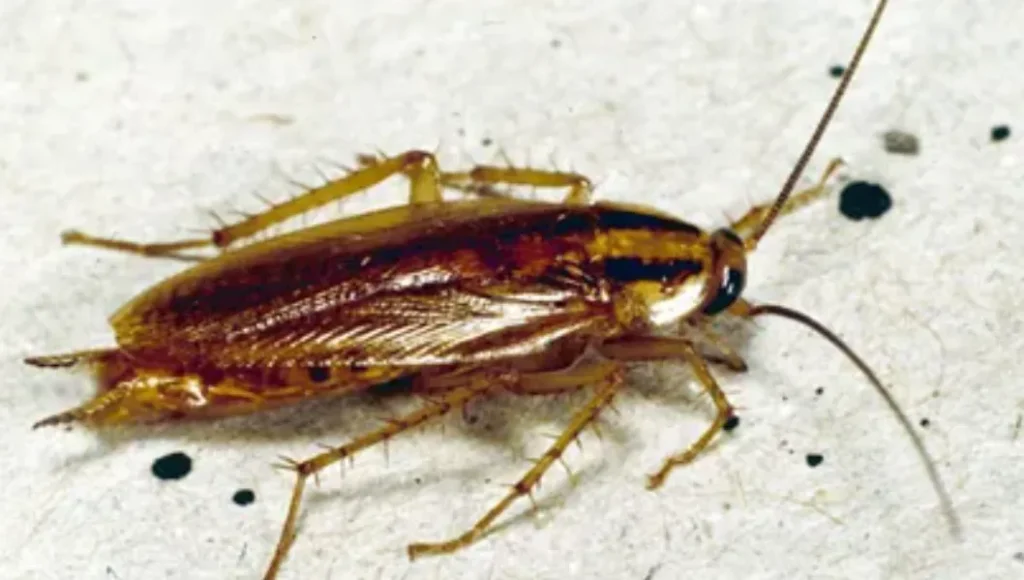
- German cockroach: Blattella germanica
- Oriental cockroach: Blatta orientalis
- Naming Based on Features
- Scientific names often reflect characteristics such as size, color, or habitat.
- 2026 Developments
- Recent studies use genomic sequencing to understand species diversity and classification better.
The history of scientific naming shows how our understanding of cockroaches has evolved alongside advances in science.
Their life cycle and ability to survive in nature
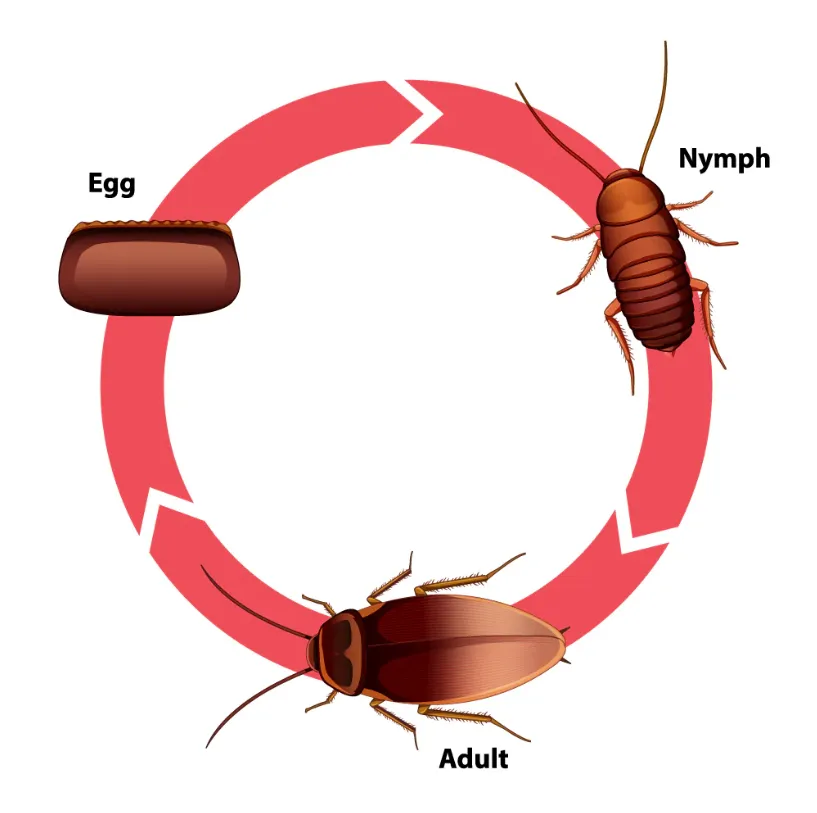
The roach life cycle consists of three main stages, each designed for survival and adaptation.
Stages of the Roach Life Cycle
- Egg Stage (Ootheca)
- Female roaches produce egg cases called oothecae, which can contain 10–50 eggs. These cases protect the embryos from predators and environmental threats.
- Nymph Stage
- After hatching, baby roaches (nymphs) resemble small adults without wings. They molt multiple times as they grow.
- Adult Stage
- Mature roaches develop wings (in most species) and reproductive capabilities.
Survival Abilities
- Can survive without food for up to a month
- Can live without water for a week
- Some species can survive radiation levels higher than those of humans
- Flattened bodies allow them to hide in tiny spaces
Adaptation to Environment
Roaches thrive in both natural and urban environments. They can quickly adjust their behavior based on available resources.
Their life cycle ensures rapid population growth, making them highly successful survivors in nature.
Their Reproductive Process and raising their children
Cockroaches reproduce efficiently, ensuring the continuation of their species.
Reproductive Process
- Mating Behavior
- Male roaches attract females using pheromones.
- Egg Production
- Females produce oothecae, which can hold multiple eggs.
- Egg Protection
- Some species carry the egg case until it is ready to hatch, increasing survival rates.
Raising Their Young
- Minimal Parental Care
- Most roaches do not care for their young after hatching.
- Nymph Development
- Nymphs grow independently, molting several times before adulthood.
- Rapid Growth
- Some species reach adulthood within weeks.
Unique Traits
- Some species can reproduce without mating (parthenogenesis)
- High reproduction rates lead to quick population expansion
This efficient reproductive system is a key reason for their global success.
The importance of them in the Ecosystem
Despite their negative reputation, cockroaches play a vital role in ecosystems.
Key Contributions
- Decomposition
- Roaches break down organic matter, recycling nutrients back into the soil.
- Food Source
- They serve as food for birds, reptiles, and mammals.
- Soil Enrichment
- Their waste adds nutrients to the soil, promoting plant growth.
- Nitrogen Cycle
- Cockroaches help release nitrogen, which is essential for plants.
- Biodiversity Support
- They contribute to maintaining ecological balance.
Without cockroaches, ecosystems would struggle to efficiently recycle organic waste.
Important Things That You Need To Know
Understanding related topics and commonly searched terms can deepen your understanding of roaches and their life cycles.
Key LSI Keywords Explained
- roach.
- A general term used to describe cockroaches, often referring to pest species found in homes.
- baby roach
- Also known as the nymph stage, this stage is crucial in the roach life cycle, as it determines future population growth.
- roach killer
- Products designed to eliminate cockroaches. Modern solutions in 2026 focus on eco-friendly and targeted methods.
- tank vs roach
- A popular comparison in gaming or slang contexts, but not related to biology.
- papa roach
- A well-known rock band is often searched alongside insect-related terms because of its name.
Modern Insights (2026)
Today, pest control strategies focus on:
- Sustainable and eco-friendly solutions
- Reducing chemical resistance
- Using biological control methods
Understanding these LSI keywords helps improve SEO and provides valuable context for readers.
What to do to protect them in nature and save the system for the future
Although many people want to eliminate roaches, protecting non-pest species is important for ecological balance.
Steps to Protect Cockroaches and Ecosystems
- Preserve natural habitats such as forests and wetlands
- Avoid excessive pesticide use that harms beneficial species
- Promote eco-friendly pest control methods
- Educate people about the ecological importance of roaches
- Support biodiversity conservation programs
- Maintain clean but environmentally balanced surroundings
- Encourage scientific research on insect ecosystems
- Reduce pollution that affects insect populations
Protecting cockroaches in nature helps maintain ecosystem stability and nutrient cycles.
Frequently Asked Questions (FAQs)
1. What are the stages of the roach life cycle?
The roach life cycle includes egg, nymph, and adult stages.
2. How long does a cockroach live?
Most cockroaches live between 6 months and 2 years, depending on the species.
3. What is a baby roach called?
A baby roach is called a nymph.
4. How fast do roaches reproduce?
Roaches reproduce quickly, with some species producing hundreds of offspring in a year.
5. Can roaches survive extreme conditions?
Yes, they can survive harsh environments, including limited food and high radiation levels.
6. Are all roaches harmful?
No, only a small number of species are considered pests.
7. What is the best roach killer in 2026?
Eco-friendly and targeted solutions are now considered the most effective.
8. Why are roaches important in nature?
They help decompose organic matter and support the Ecosystem.
Conclusion
The roach life cycle is a remarkable example of nature’s efficiency and resilience. From their ancient origins to their modern-day adaptability, cockroaches have proven themselves to be among the most successful species on Earth. Their three-stage life cycle—egg, nymph, and adult—ensures rapid growth and survival in diverse environments.
In 2026, scientific research continues to uncover new insights into their biology, evolution, and ecological importance. While they are often viewed as pests, it is important to recognize that only a small percentage of cockroach species invade human spaces. The majority play a crucial role in maintaining ecosystem balance by recycling nutrients, supporting food chains, and enriching soil.
Understanding their life cycles also helps develop more effective, environmentally friendly pest control strategies. Instead of relying solely on harmful chemicals, modern approaches focus on sustainable solutions that protect ecosystems.
Ultimately, cockroaches are more than just unwanted insects—they are vital contributors to the natural world. By learning about their life cycles and ecological roles, we can develop a more balanced perspective and help preserve biodiversity for future generations.
Also Read About: Penguin Life Cycle
About the Author