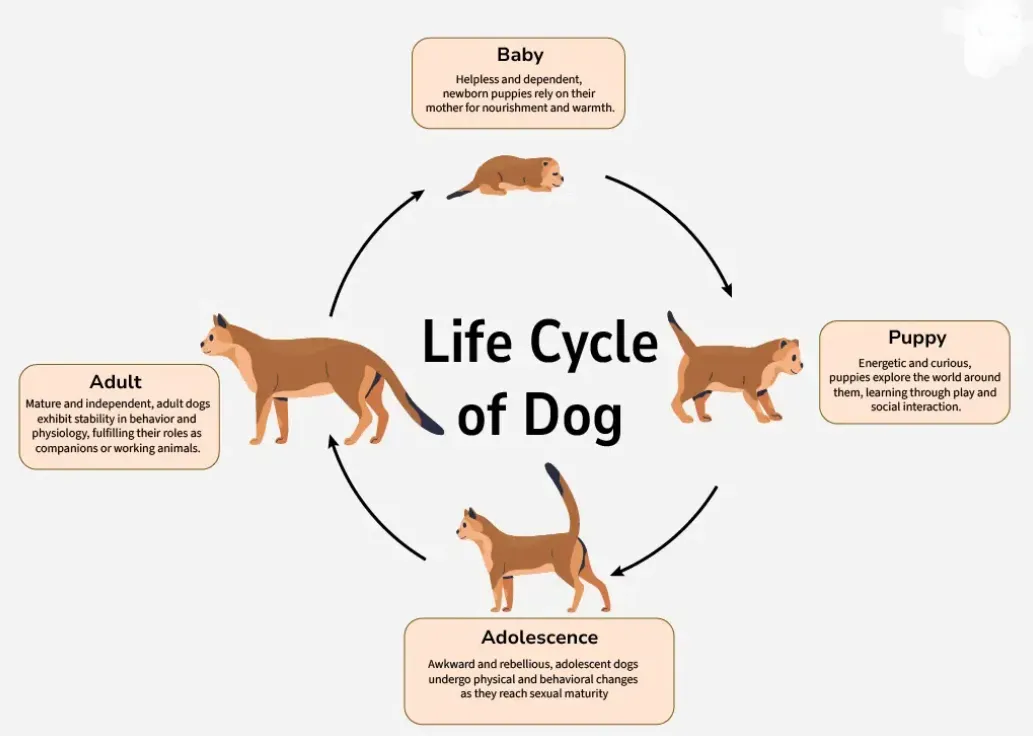
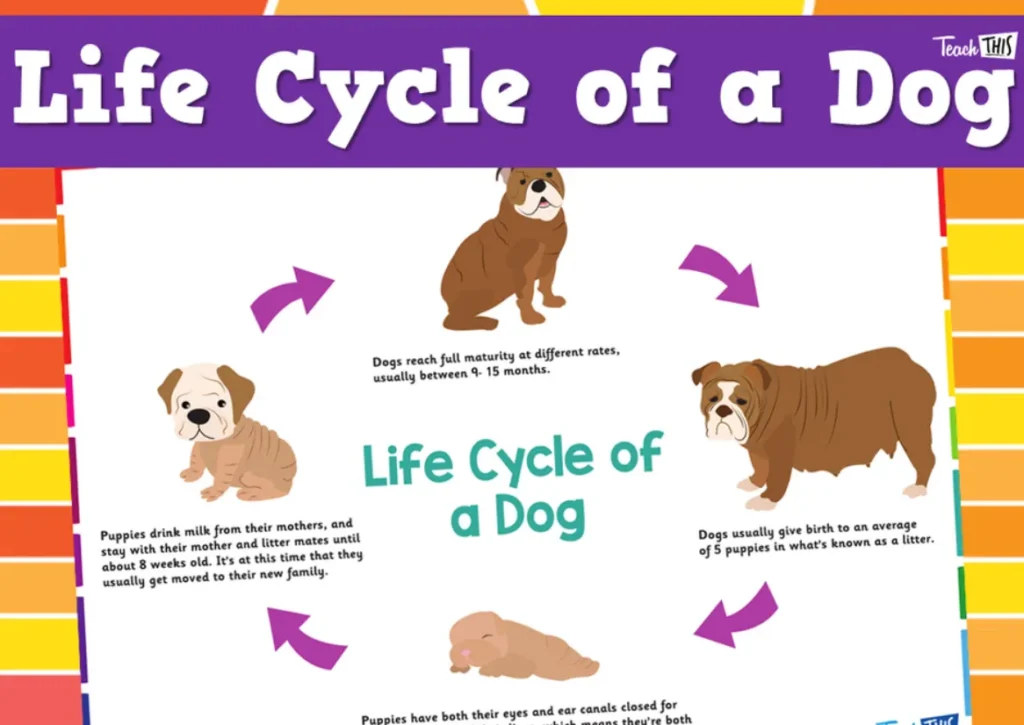
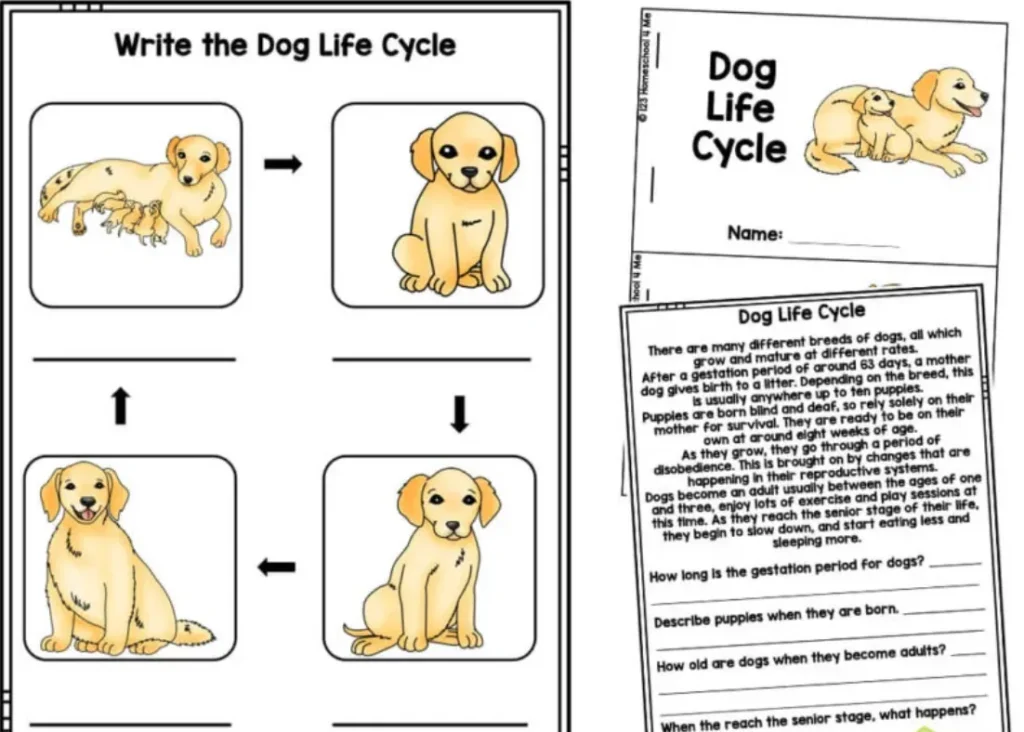
The dog’s life cycle explains how a dog grows from a newborn puppy into an adolescent, adult, senior, and eventually a geriatric dog. A dog is a domesticated mammal from the family Canidae, and its scientific name is commonly written as Canis lupus familiaris. Dogs are closely related to wolves and have lived beside humans for thousands of years.
Understanding the life cycle of dogs is important because each stage has different needs. A newborn puppy depends fully on its mother for milk, warmth, and protection. As it grows, it begins to walk, play, eat solid food, learn social behavior, and respond to training.
Adult dogs usually become stronger, calmer, and more stable in behavior. Senior dogs, however, may need softer food, lighter exercise, joint care, dental attention, and regular veterinary checkups. Smaller dogs often age more slowly than larger dogs, so that life stages can vary by breed and body size.
Quick Answers
Q: What are the main stages of a dog’s life cycle?
A: The main stages are newborn puppy, puppy/adolescent, adult dog, and senior dog.
Q: How long do dogs usually live?
A: Many dogs live around 10–15 years, but lifespan depends strongly on breed, size, genetics, nutrition, lifestyle, and veterinary care.
Q: When does a puppy become an adult dog?
A: Small dogs may mature around 9–12 months, while large and giant breeds may take 18–24 months to reach full physical maturity.
Quick Life Cycle Table
| Life Stage | Common Age Range | Main Changes |
| Newborn Puppy | Birth–2 weeks | Blind, deaf, fully dependent on mother |
| Puppy Stage | 2 weeks–6 months | Teeth, walking, social learning, weaning |
| Adolescent Dog | 6–18 months | Sexual maturity, high energy, and training needs |
| Adult Dog | 1–7 years | Full strength, stable behavior, active lifestyle |
| Senior Dog | 7+ years, varies by size | Slower movement, health monitoring, gentler care |
| Geriatric Dog | Very old age | Higher medical needs, comfort-focused care |
Dogs do not all age at the same speed. Small dogs often reach senior age later than large and giant dogs, which is why life-stage care should be adjusted based on body size, breed, and health condition.

Important Things That You Need To Know
When learning about the dog’s life cycle, it is helpful to understand related search terms, as many people ask practical questions about food safety, health, and breed types.
First, dog breeds vary widely. There are working dogs, toy dogs, herding dogs, sporting dogs, hounds, terriers, mixed breeds, and companion breeds. Their size and purpose can affect growth rate, exercise needs, coat care, and lifespan.
Many owners also ask, “Can dogs eat strawberries?” Yes, strawberries can be safe for dogs when served fresh, washed, cut into small pieces, and given in moderation. They should not replace a balanced dog diet.
Another common question is, can dogs eat bananas? Yes, bananas can be given as an occasional treat. They contain nutrients such as potassium and vitamin B6, but they are naturally high in sugar, so portion control matters.
Some people search for gabapentin for dogs. Veterinarians may prescribe this medicine for pain, anxiety, or seizures, but it should never be given without veterinary direction. Side effects may include sleepiness and poor coordination.
Finally, hypoallergenic dogs are often misunderstood. No dog is completely allergen-free, but some low-shedding breeds may be easier for people with allergies.
The History Of Their Scientific Naming, Evolution, and Their Origin
Scientific Naming of Dogs
The domestic dog is usually classified as Canis lupus familiaris, showing its close relationship with the gray wolf, Canis lupus. The name refers to the genus Canis, which includes wolf-like animals such as wolves, coyotes, and jackals.
Evolution from Wolf-Like Ancestors
Modern dogs did not appear suddenly. Genetic evidence suggests that dogs descended from ancient wolf-like populations, not from today’s living wolves. Research on dog domestication shows that dogs separated from wolf ancestors thousands of years ago, but the exact time and place remain debated.
Origin of Human–Dog Partnership
Dogs are among the earliest domesticated animals. Early humans likely benefited from dogs through hunting support, guarding, warning signals, companionship, and waste scavenging around camps. In return, dogs gained food, shelter, and protection.
Development of Dog Breeds
Today’s many dog breeds were shaped through selective breeding. Humans selected dogs for guarding, herding, hunting, pulling sleds, retrieving, companionship, scent work, and rescue tasks. This is why a tiny Chihuahua and a large Great Dane belong to the same species but look so different.
Their Reproductive Process, Giving Birth, And Rising Their Children
Female Dog Heat Cycle
Female dogs usually go through an estrous or “heat” cycle. During this time, hormonal changes prepare the body for mating and pregnancy. The cycle includes stages such as proestrus, estrus, diestrus, and anestrus. Veterinary sources describe dogs as spontaneous ovulators, meaning ovulation is driven by their hormonal cycle rather than needing mating stimulation.
Mating and Pregnancy
After successful mating, pregnancy in dogs usually lasts about 63 days, though it may vary slightly depending on breed, litter size, and exact timing of conception. Because pregnancy is short, proper nutrition, calm housing, and veterinary supervision are important.
Giving Birth to Puppies
The birth process is called whelping. A mother dog may give birth to one puppy or many puppies, depending on breed and size. Smaller breeds often have smaller litters, while larger breeds may have more puppies. Newborn puppies are blind, deaf, weak, and unable to regulate body temperature well.
Raising and Nursing Puppies
Mother dogs feed puppies with milk, clean them, keep them warm, and stimulate early body functions. Puppies begin opening their eyes around the second week and gradually become more active. Weaning usually starts when puppies begin eating soft, solid food, often around 3–4 weeks of age, while still taking milk.
Social Learning and Independence
Puppies learn from their mother, littermates, humans, and environment. This early learning affects confidence, bite control, social behavior, and future training success. Responsible puppy care includes gentle handling, safe exposure, vaccination planning, parasite control, and proper nutrition.
Stages of a Dog’s Life Cycle
1. Newborn Puppy Stage
The newborn puppy stage begins at birth and lasts around two weeks. Puppies are born with closed eyes and ears, so they rely heavily on smell, touch, warmth, and their mother’s milk. At this stage, they cannot survive well without care.
Their main activities are sleeping and nursing. Healthy milk intake is essential because early milk contains important protective compounds. Puppies also need a clean, warm, and quiet place. Chilling, dehydration, and poor nursing can quickly become serious.
2. Puppy and Early Growth Stage
Puppies grow quickly from about two weeks to six months. Their eyes open, ears develop, baby teeth appear, and they begin walking, playing, and exploring. This is one of the most important stages in the dog’s life cycle.
Puppies start learning social behavior from littermates and humans. They also begin eating soft food and gradually shift away from milk. Early training should be gentle, reward-based, and consistent. Harsh handling can create fear or anxiety.
3. Adolescent and Adult Stage
The adolescent stage often begins around six months, but timing depends on size and breed. Dogs may become energetic, curious, stubborn, or easily distracted. This is normal because their body and hormones are changing.
Adult dogs are usually physically mature, stronger, and more emotionally stable. They need balanced food, regular exercise, mental enrichment, dental care, grooming, vaccination, and parasite prevention. Adult life is often the longest active period of a dog’s life.
4. Senior and Geriatric Stage
Senior dogs may move more slowly, sleep more, gain or lose weight, develop dental problems, or show joint stiffness. Some may also experience hearing or vision decline. This stage needs patience, comfort, and regular health checks.
A senior dog still needs love, exercise, and mental stimulation, but activities should be adjusted. Short walks, soft bedding, easy-to-chew food, and vet-approved joint support can help older dogs remain comfortable.
Their main diet, food sources, and collection process are explained
Balanced Diet for Dogs
Dogs need a complete and balanced diet suitable for their age, size, activity level, and health condition. Veterinary nutrition guidance highlights key nutrients, including water, protein, fat, carbohydrates, vitamins, and minerals.
Food Sources
Common dog food sources include animal protein, grains, vegetables, fruits, fats, and fortified nutrients. Dogs can digest both animal and plant-based ingredients when the diet is properly balanced. Carbohydrates from grains, legumes, fruits, and vegetables can also provide energy and useful nutrients.
Puppy Food
Puppies need food designed for growth. Their diet should support bone, muscle, and tooth development, as well as brain development and immune function. Large-breed puppies may need carefully controlled calcium and calories to reduce the risk of growth-related problems.
Adult Dog Food
Adult dogs need maintenance nutrition. Overfeeding can cause obesity, while underfeeding can lead to weakness and poor coat condition. The amount of food should be based on body weight, activity, age, and veterinary advice.
Senior Dog Food
Senior dogs may need lower-calorie food, joint-support nutrients, easier digestion, or special diets for kidney, heart, dental, or weight problems. Any major diet change should be gradual.
Food Collection Process
Domestic dogs usually do not “collect” food like wild animals. Humans provide their food. However, stray or free-ranging dogs may scavenge leftovers, hunt small animals, or search waste areas, which can expose them to disease, injury, and poor nutrition.
How Long Does a Dog’s Life Cycle Last
The lifespan of dogs varies widely. A small, healthy dog may live much longer than a giant breed, while genetics, diet, disease prevention, environment, and care quality all play major roles.
- Average lifespan: Many dogs live around 10–15 years, but this is not a fixed rule.
- Small dogs: Smaller breeds often live longer. One reported study, summarized by AKC, found that small dogs have a longer median lifespan than medium and large dogs.
- Medium dogs: Medium-sized dogs often have a balanced lifespan range, commonly living into early or mid-teen years when well cared for.
- Large dogs: Large breeds may age faster and may have shorter lifespans than small breeds.
- Giant dogs: Giant breeds such as Great Danes, Mastiffs, and Saint Bernards often have shorter average lifespans than small companion breeds.
- Breed genetics matter: Some breeds are more prone to inherited heart disease, breathing problems, joint problems, cancer, or spinal issues.
- Body condition matters: Dogs kept at a healthy weight often have better mobility, breathing, and long-term health than overweight dogs.
- Dental care matters: Poor dental health can affect eating comfort and general wellness.
- Exercise matters: Daily movement supports muscles, joints, digestion, weight control, and mental health.
- Veterinary care matters: Routine checkups, vaccines, parasite control, and early disease detection can improve quality of life. Responsible pet ownership includes food, water, shelter, exercise, companionship, and veterinary care.
- Neutering/spaying decisions: These should be discussed with a veterinarian because timing may depend on breed, size, health, and lifestyle.
- Mental health matters: Dogs are social animals. Loneliness, boredom, and stress can affect behavior and well-being.
A dog’s life is not only about years lived. It is also about quality of life. A well-cared-for dog with good food, affection, preventive healthcare, exercise, and a safe home can enjoy a happier and healthier journey through each life stage.
Dogs’ Lifespan in the Wild vs. in Captivity
Domestic Dogs in Human Care
Most domestic dogs are not “wild” animals. In human care, dogs usually receive regular food, shelter, vaccinations, parasite control, and treatment when they are sick. This greatly improves survival compared with uncontrolled outdoor living.
A cared-for dog may also avoid traffic accidents, poisoning, fighting, starvation, extreme weather, and many infectious diseases. Responsible homes can therefore support both a longer lifespan and a better quality of life.
Free-Ranging, Stray, or Feral Dogs
Dogs living without regular human care face more risks. They may search through garbage, hunt small prey, compete with other animals, or navigate unsafe roads and crowded areas. They may suffer from malnutrition, parasites, wounds, heat stress, and disease.
Stray dogs can also create public health concerns if vaccination and population management are poor. Hygiene, vaccination, and humane dog management are important for protecting both dogs and people.
Captivity vs. Companionship
The better phrase for dogs is not always “captivity.” For domestic dogs, a safe home with companionship is usually a natural welfare setting because they evolved alongside humans. A healthy home should provide freedom of movement, play, social contact, training, and medical care.
Importance of Dogs in this Ecosystem
Companionship and Human Well-being
Dogs provide companionship, emotional support, and social connection. They often reduce loneliness and encourage people to walk, play, and spend more time outdoors.
Working Roles in Human Systems
Dogs support humans in many roles. They work as guide dogs, therapy dogs, search-and-rescue dogs, livestock guardians, herding dogs, detection dogs, police dogs, and disaster-response partners.
Ecological Influence of Free-Ranging Dogs
Free-ranging dogs can affect ecosystems by hunting wildlife, disturbing nesting birds, spreading disease, or competing with native predators. This is why responsible ownership, sterilization, vaccination, and leash control matter.
Waste and Disease Control
Healthy dog management helps reduce environmental contamination. Cleaning up dog waste, vaccinating pets, and preventing parasites help create cleaner neighborhoods and safer public spaces.
Human–Animal Connection
Dogs remind humans of the link between animal welfare, public health, and environmental responsibility. Good dog care is part of a wider One Health idea: healthy animals, healthy people, and healthier environments.
What to do to protect them in nature and save the system for the future
1. Support Responsible Dog Ownership
- Feed dogs a proper diet.
- Provide clean water and safe shelter.
- Give daily exercise and companionship.
- Do not abandon unwanted dogs.
2. Vaccinate and Provide Veterinary Care
- Keep vaccines updated.
- Use parasite prevention.
- Visit a veterinarian for illness, injury, dental issues, or behavior changes.
- Follow local rabies-control rules.
3. Control Stray Dog Population Humanely
- Support spay and neuter programs.
- Encourage adoption from shelters.
- Avoid irresponsible breeding.
- Report cruelty or abandonment.
4. Protect Wildlife from Free-Ranging Dogs
- Keep dogs leashed in wildlife areas.
- Do not allow dogs to chase birds, deer, livestock, or small mammals.
- Keep dogs away from nesting sites and protected habitats.
5. Keep the Environment Clean
- Pick up dog waste.
- Dispose of pet waste properly.
- Avoid dumping food scraps that attract stray animals.
- Teach children safe and kind behavior around dogs.
Protecting dogs also protects people, wildlife, and community health.
Fun & Interesting Facts About Dogs’ Life Cycle
- Dogs are among the earliest animals domesticated by humans.
- A newborn puppy is born blind and deaf, but its sense of smell helps it find the mother.
- Puppies sleep a lot because rapid growth requires a lot of energy.
- Dogs communicate through body posture, tail movement, barking, scent, facial expression, and ear position.
- Dogs have a powerful sense of smell and are used in search, rescue, disease detection, and security work.
- Some types of dogs were bred for very specific jobs, such as herding sheep, guarding homes, retrieving birds, or pulling sleds.
- Small dogs often live longer than large dogs.
- Senior dogs can still learn new habits with patience and positive training.
- Can dogs eat strawberries? Yes, but only as a small treat.
- Can dogs eat bananas? Yes, but moderation is important because bananas contain sugar.
- No dog is fully allergy-proof, even breeds commonly called hypoallergenic dogs.
- Dogs form strong emotional bonds with humans and can read many human gestures and tones.
Frequently Asked Questions (FAQs)
Q: What is the dog’s life cycle in simple words?
A: The dog’s life cycle is the growth journey from newborn puppy to puppy, adolescent, adult, senior, and geriatric dog. Each stage has different needs for food, training, exercise, and healthcare.
Q: How many stages are in a dog’s life cycle?
A: Most guides divide the dog life cycle into four main stages: puppy, adolescent, adult, and senior. For deeper care, newborn and geriatric stages can also be added.
Q: Can dogs eat strawberries safely?
A: Yes, dogs can eat fresh strawberries in small amounts. Wash them, remove the stems, cut them into small pieces, and avoid syrup-, chocolate-, cream-, or sugar-added versions.
Q: Can dogs eat bananas safely?
A: Yes, bananas are safe as an occasional treat. They should not become a main food because they are naturally high in sugar.
Q: Is gabapentin for dogs safe?
A: Gabapentin for dogs can be used when prescribed by a veterinarian, often for pain, seizures, or anxiety. It may cause sleepiness or poor coordination, so owners should not give it without veterinary guidance.
Conclusion
The dog’s life cycle is a meaningful journey from a helpless newborn puppy to a playful youngster, a mature adult, and a gentle senior companion. Each stage brings different needs, from mother’s milk and social learning to balanced food, exercise, training, dental care, and regular veterinary attention.
Dogs are not all the same. Types of dogs, breed size, genetics, lifestyle, and healthcare strongly influence growth, behavior, and lifespan. Small dogs may live longer, while large and giant breeds often need earlier senior care.
A healthy dog needs more than food. It needs safety, affection, clean water, exercise, mental stimulation, responsible ownership, and medical care. Whether you are raising a puppy or caring for an older dog, understanding the full life cycle of dogs helps you make better decisions and give your dog a happier, healthier life.
Also Read: boxelder bug life cycle
About the Author