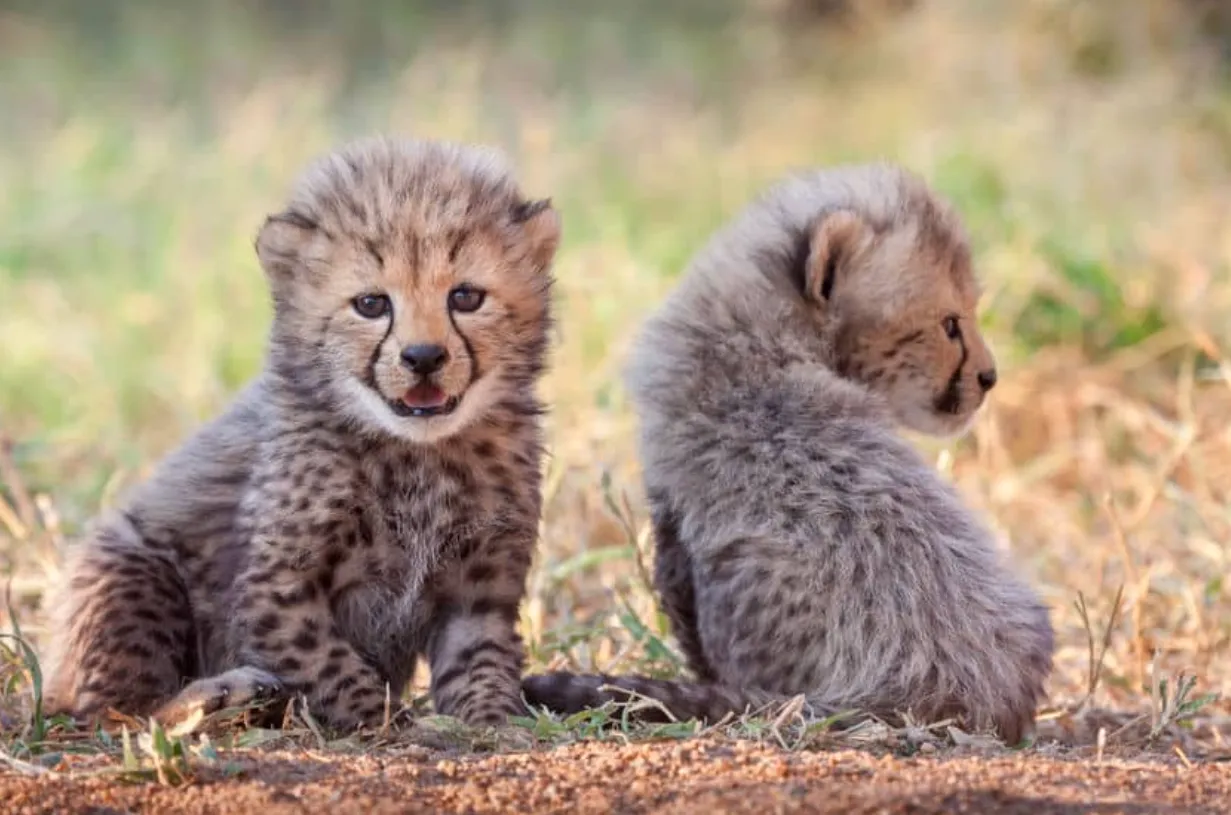
The cheetah’s life cycle shows how the world’s fastest land mammal grows from a tiny, helpless cub into a highly specialized predator built for speed, balance, and sharp eyesight. The cheetah, scientifically known as Acinonyx jubatus, belongs to the cat family Felidae. Unlike lions or tigers, cheetahs cannot roar; they communicate through chirps, purrs, growls, hisses, and other softer sounds.
A cheetah’s life begins after a pregnancy of about 93 days. A mother may give birth to 1–6 cubs, although larger litters are sometimes recorded. Cubs depend fully on their mother for milk, warmth, protection, and hunting lessons. Their early life is dangerous because lions, hyenas, leopards, and other predators may kill young cubs.
Adult cheetahs live mainly in open grasslands, savannas, semi-desert regions, and farmland landscapes where they can see prey clearly and run at high speed. They are currently listed as Vulnerable, and many populations are declining because of habitat loss, prey decline, human-wildlife conflict, and illegal wildlife trade.
Q: What are the main stages of the cheetah life cycle?
A: The main stages are newborn cub, growing cub, adolescent/subadult, and adult cheetah.
Q: How long does a cheetah cub stay with its mother?
A: A cheetah cub usually stays with its mother until around 18 months, learning survival and hunting skills.
Q: How fast can a cheetah run?
A: A cheetah can reach around 60–70 mph over short distances, but it cannot maintain that speed for long.
Quick Life Cycle Table
| Stage | Age Range | Main Development | Survival Challenge |
| Newborn Cub | Birth–2 months | Blind at birth, it depends on the mother’s milk, and hides in the mother’s hiding places | Predators, cold, weakness |
| Growing Cub | 2–6 months | Starts walking, playing, eating meat, following mother | Learning movement and avoiding danger |
| Juvenile / Adolescent | 6–18 months | Practices stalking, chasing, and hunting with mother | Low hunting success |
| Subadult | 18–24 months | Becomes independent, siblings may stay together briefly | Finding territory and prey |
| Adult Cheetah | 2+ years | Hunts alone or in male coalitions, reproduces | Human conflict, prey loss, competition |
Important Things That You Need To Know
The cheetah is often confused with the leopard, but the two cats are very different. In a cheetah vs leopard comparison, the cheetah is slimmer, lighter, faster, and has clear black “tear marks” running from the eyes to the mouth. A leopard is heavier, stronger, better at climbing, and has rosette-shaped spots instead of the cheetah’s small, solid black spots.
People also search for ‘leopard vs cheetah‘ because both animals live in parts of Africa and have spotted coats. However, their lifestyles are different. Cheetahs are daylight hunters that rely on speed and open land. Leopards are more secretive, ambush-hunting predators and excellent climbers.
The question of how fast a cheetah can run is one of the most common because speed is the cheetah’s most famous trait. Its flexible spine, long legs, enlarged nasal passages, semi-retractable claws, and long balancing tail help it sprint after fast prey. Cheetahs usually chase for only a short burst because sprinting requires a lot of energy.
The term cheetah print is popular in fashion and design, but real cheetah spots are not just decorative. They help with camouflage in grassland habitats. Similarly, cheetah print sambas refers to a fashion trend inspired by animal patterns, not the animal’s biology. When writing about the cheetah life cycle, it is important to separate real wildlife science from fashion-related search terms.
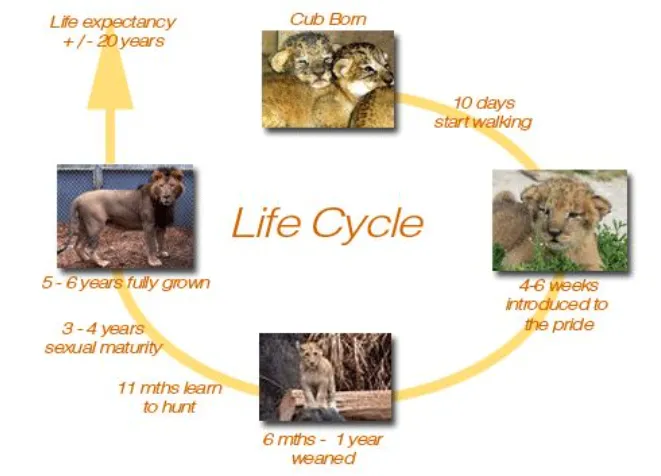
The History Of Their Scientific Naming, Evolution, and Their Origin
Scientific Name: Acinonyx jubatus
The cheetah’s scientific name is Acinonyx jubatus. The genus Acinonyx is commonly associated with the cheetah’s partially non-retractable claws, which provide better grip during high-speed running. The species name jubatus refers to the mane-like fur, especially on young cubs.
Evolutionary Background
Cheetahs are members of the family Felidae, but they are highly specialized compared with many other cats. Their body shape evolved for speed rather than strength. Long limbs, a deep chest, lightweight bones, large nasal passages, and a flexible spine make them sprinting specialists.
Origin and Historical Range
Cheetahs once had a much wider range across Africa, the Middle East, and parts of Asia. Today, most wild cheetahs live in eastern and southern Africa, while the Asiatic cheetah survives only in Iran and is critically endangered.
Ancient Relatives
Fossil evidence shows that ancient cheetah-like cats once lived across a wider range, including Europe. Some extinct relatives were much larger than modern cheetahs, showing that the cheetah lineage has changed significantly over time.
Their Reproductive Process, Giving Birth, And Rising Their Children
Mating and Pregnancy
Female cheetahs usually become reproductively mature at around two years of age. Cheetahs do not have a fixed breeding season in many regions, so mating can happen when conditions are suitable and the female is ready.
After mating, the female carries the cubs for about 93 days. This short pregnancy is typical for many cats, but the cubs are born very small and vulnerable.
Giving Birth to Cubs
A mother cheetah usually gives birth in a hidden den, thick grass, or sheltered vegetation. A litter often contains 1–6 cubs, though larger litters are rare but possible. At birth, cubs are blind, weak, and fully dependent on their mother.
The mother moves them regularly to reduce scent build-up and protect them from predators. This is one reason early cub survival depends heavily on the mother’s alertness and the safety of the habitat.
Raising the Cubs
Male cheetahs do not raise cubs. The mother alone provides milk, warmth, protection, and hunting training. As cubs grow, they begin eating meat and following their mother to kills.
By several months of age, cubs become playful. Their running, pouncing, chasing, and wrestling are not just games; these actions develop balance, strength, and hunting coordination. Around one year of age, cubs begin joining hunts and learning how to stalk prey.
Stages of the Cheetah Life Cycle
1. Newborn Cub Stage
The cheetah’s life cycle begins with the newborn cub stage. Cubs are born blind and helpless. Their bodies are small, and they rely completely on their mother’s milk.
During this stage, the mother hides them in safe places and moves them from one location to another. This helps reduce the risk of predators finding them. The cubs also have a greyish mantle of fur along the back, which may help with camouflage.
2. Growing Cub Stage
After a few weeks, cubs become stronger and more active. Their eyes open, they begin crawling and walking, and they start responding to the mother’s calls.
At around two months, cubs may begin coming out of hiding and following the mother. They slowly shift from milk to meat. This stage is full of play, which helps them develop the body control needed for future hunting.
3. Juvenile and Adolescent Stage
From around six months to 18 months, cheetah cubs become more confident. They practice stalking, crouching, chasing, and pouncing. However, they are not yet skilled hunters.
The mother often demonstrates hunting by chasing and catching prey. Young cheetahs must learn to time their sprints, make direction changes, and avoid injury during a chase.
4. Adult Stage
By around 24 months, a cheetah is generally considered an adult. Adult females usually live alone except when raising cubs. Adult males may live alone or form small groups called coalitions, often with brothers.
At this stage, the cheetah can reproduce, hunt independently, and establish a home range. However, adult life remains risky because cheetahs face competition from larger predators, habitat loss, human conflict, and declining prey.
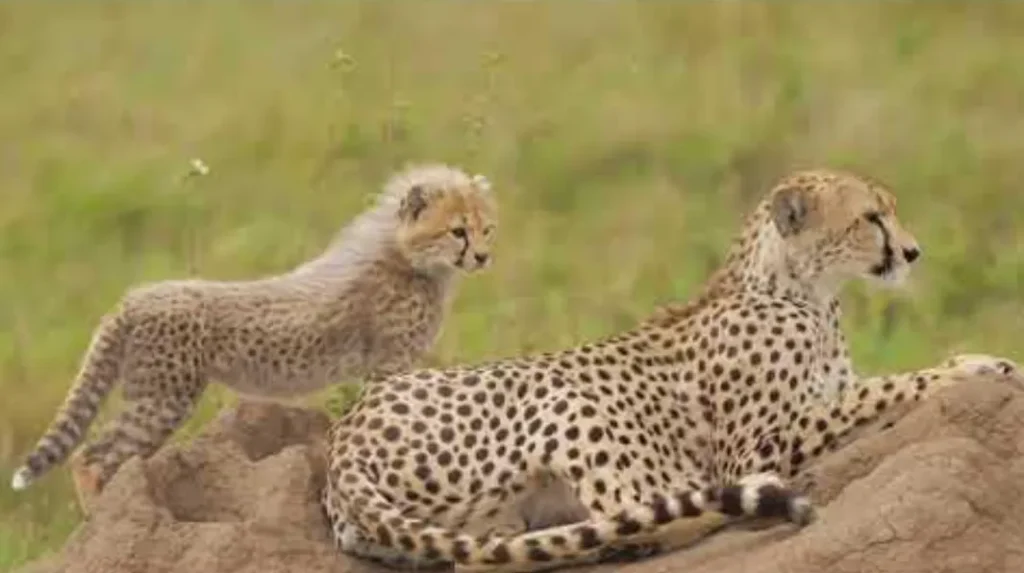
Their Main Diet, Food Sources, and Collection Process Explained
Cheetahs are carnivores, meaning they eat meat. Their diet usually includes small to medium-sized animals that live in open habitats. Common prey includes Thomson’s gazelles, impalas, young antelopes, hares, birds, and sometimes calves of larger animals.
Cheetahs hunt mostly by sight. They often scan the landscape from a raised perch, such as a termite mound, a small hill, or a fallen tree. Once they choose a target, they slowly stalk closer before making a sudden high-speed chase.
Their food collection process usually follows these steps:
- Scanning: The cheetah watches the herd carefully and identifies weak, young, old, or separated prey.
- Stalking: It crouches low and moves quietly to reduce the distance.
- Short Sprint: The cheetah launches a fast chase, often trying to get close before using maximum speed.
- Trip and Hold: It may trip the prey with a paw and then hold the throat or neck.
- Fast Feeding: After the chase, the cheetah must rest and recover. Then it eats quickly because lions, hyenas, vultures, jackals, or leopards may steal the kill.
Unlike some predators, cheetahs do not usually scavenge. They depend mainly on fresh kills, which means they must hunt often.
How Long Does A Cheetah Life Cycle Live
A cheetah’s lifespan depends on habitat quality, food availability, predator pressure, disease, human disturbance, and whether it lives in the wild or in managed human care.
- Average wild lifespan: Many wild cheetahs live around 8–10 years. Some may live longer when conditions are safer, and prey is available.
- Average lifespan in human care: In zoos and conservation centers, cheetahs often live around 12–15 years, and some may live longer with expert veterinary care.
- Adult males may live shorter lives: Male cheetahs may face danger from territorial fights, competition, injuries, and conflicts with other males. In the wild, some adult males average shorter lifespans than females.
- Cub survival is the biggest challenge: The most dangerous stage is early cub life. In some predator-rich areas, cub mortality can be very high because lions, hyenas, and other predators kill vulnerable cubs.
- Hunting injuries can reduce lifespan: Cheetahs chase fast prey at extreme speed. A broken leg, damaged claw, or deep wound can make hunting difficult and may lead to starvation.
- Human-wildlife conflict is a major threat: Many cheetahs live outside protected areas and may come into contact with farms, livestock, roads, and settlements. This increases the risk of being trapped, shot, or displaced.
- Captivity does not mean simple survival: Although cheetahs may live longer in human care, they need specialized management, proper diet, low-stress environments, genetic planning, and expert care.
- Healthy ecosystems support longer lives: A cheetah living in a wide, connected habitat with enough wild prey has a better chance of surviving through every stage of the life cycle.
Cheetah Life Cycle Lifespan in the Wild vs. in Captivity
Lifespan in the Wild
In the wild, cheetahs usually live shorter lives because they face natural and human-related dangers every day. Their average lifespan is commonly reported as 8–10 years. Survival depends on prey, water, shelter, safe movement routes, and low conflict with people.
Wild cubs face the highest risk. Predators such as lions and hyenas may kill cubs, especially in areas where large carnivores are common. Adults also face dangers from injuries, prey loss, drought, and habitat fragmentation.
Lifespan in Captivity
In human care, cheetahs often live longer, commonly around 12–15 years, because they receive regular food, veterinary treatment, protection from predators, and controlled living conditions.
Some conservation centers and accredited zoos also manage breeding programs to maintain genetic diversity. However, captivity is not a replacement for wild conservation. The main goal should be protecting natural habitats so cheetahs can survive and reproduce in the wild.
Key Difference
The wildlife cycle is more natural but riskier. Captive life may be safer, but it requires careful welfare management and does not fully replace the ecological role of wild cheetahs.
Importance of the Cheetah Life Cycle in this Ecosystem
Controls Prey Populations
Cheetahs help control populations of gazelles, impalas, hares, and other small to medium-sized animals. By hunting weaker, young, old, or less alert animals, they support natural selection and healthier prey populations.
Supports Ecosystem Balance
The cheetah’s life cycle is linked to the food webs of grasslands and savannas. When cheetahs hunt, leftover food may support scavengers such as vultures, jackals, and insects. This helps recycle nutrients back into the ecosystem.
Indicates Habitat Health
Cheetahs need open space, wild prey, and connected landscapes. A stable cheetah population often suggests that the ecosystem still has enough prey and suitable habitat. When cheetah numbers decline, it may indicate habitat fragmentation, prey loss, or rising human pressure.
Protects Biodiversity Value
Saving cheetahs also protects many other species that share the same landscapes. Grassland birds, antelopes, small mammals, and even plant communities benefit when large habitats are conserved.
Cultural and Educational Importance
Cheetahs are powerful symbols of speed, beauty, and wild freedom. Their story helps people understand why wildlife corridors, responsible farming, anti-poaching work, and habitat protection are essential for future biodiversity.
What to Do to Protect Them in Nature and Save the System for the Future
1. Protect Large Natural Habitats
- Cheetahs need wide open areas to hunt and move.
- Governments and conservation groups should protect grasslands, savannas, and wildlife corridors.
- Habitat fragmentation should be reduced by careful land-use planning.
2. Reduce Human-Wildlife Conflict
- Farmers should use non-lethal methods to protect livestock.
- Guard dogs, secure kraals, better fencing, and community education can reduce conflict.
- Killing cheetahs should never be the first response to livestock loss.
3. Stop Illegal Wildlife Trade
- Cheetah cubs are sometimes captured for the illegal pet trade.
- Stronger law enforcement, border monitoring, and awareness campaigns are needed.
- People should never buy, sell, or promote wild cheetahs as pets.
4. Protect Wild Prey Species
- Without gazelles, impalas, hares, and other prey, cheetahs cannot survive.
- Anti-poaching work should protect both cheetahs and their prey.
- Healthy prey populations reduce the likelihood that cheetahs will target livestock.
5. Support Science-Based Conservation
- Conservation programs should use field research, GPS tracking, genetic monitoring, and community-based protection.
- Accredited conservation centers can provide expertise in breeding, education, and emergency rescue.
- Long-term solutions must combine wildlife science with local people’s needs.
Fun & Interesting Facts About Cheetah Life Cycle
- Cheetahs are the fastest land mammals, reaching around 60–70 mph in short bursts.
- They cannot roar like lions or tigers, but they can chirp, purr, hiss, growl, and make bird-like calls.
- Cheetah cubs have a grey mantle on their backs when young, which may help camouflage them in the wild.
- Their tails act like a rudder, helping them balance and turn sharply while running.
- Cheetahs hunt mostly during the day, especially in the morning and late afternoon.
- They are built for speed, not strength, so lions, hyenas, and leopards can steal their kills.
- A cheetah’s claws are semi-retractable, giving better grip on the ground during sprints.
- Mother cheetahs raise cubs alone, and male cheetahs do not take part in parenting.
- Cheetahs often rest after a chase because sprinting raises their body temperature and requires a lot of energy.
- Every cheetah has a unique spot pattern, similar to how humans have unique fingerprints.
Frequently Asked Questions (FAQs)
Q: What is the cheetah’s life cycle?
A: The cheetah life cycle is the growth process from newborn cub to growing cub, adolescent, subadult, and adult. It includes birth, nursing, play, hunting practice, independence, reproduction, and survival in the wild.
Q: How long do cheetah cubs stay with their mother?
A: Cheetah cubs usually stay with their mother until about 18 months. During this time, they learn how to stalk prey, chase, avoid danger, and survive independently.
Q: How fast can a cheetah run?
A: A cheetah can run about 60–70 mph for short distances. It is built for explosive speed, but it cannot maintain top speed for long.
Q: What do cheetahs eat?
A: Cheetahs eat meat. Their main prey includes gazelles, impalas, young antelopes, hares, birds, and other small to medium-sized animals.
Q: What is the difference between a cheetah and a leopard?
A: A cheetah is slimmer, faster, and has black tear marks on its face. A leopard is stronger, heavier, climbs trees well, and has rosette-shaped spots instead of simple black dots.
Conclusion
The cheetah’s life cycle is a remarkable journey from a vulnerable cub hidden in grass to a powerful adult predator built for speed. Every stage of life is shaped by survival challenges, including predators, hunting difficulty, habitat loss, prey decline, and conflict with humans.
Cheetahs are not only famous for speed; they are also important parts of grassland and savanna ecosystems. They help balance prey populations, support scavengers, and indicate the health of open landscapes.
Protecting cheetahs means protecting large habitats, wild prey, safe movement corridors, and local communities that share land with wildlife. If conservation efforts remain science-based and people-centered, future generations may still see Acinonyx jubatus running across the wild plains where it belongs.
Also Read: butterflies life cycle
About the Author