The sunflower life cycle is a fascinating natural process that showcases the beauty of plant growth, resilience, and reproduction. From a tiny seed buried in soil to a tall, vibrant flower tracking the sun, sunflowers are among the most iconic plants in the world. Understanding their life cycle not only helps gardeners grow healthier plants but also highlights their ecological importance.
Sunflowers (Helianthus annuus) are known for their rapid growth and adaptability. They thrive in various climates and play a vital role in agriculture, pollination, and even food production. Whether you’re a student, gardener, or nature enthusiast, learning about this process offers valuable insights into plant biology.
🌟 Quick Answers (Most Common Questions)
1. How long is the sunflower life cycle?
Typically, sunflowers complete their life cycle in 70 to 100 days, depending on the variety and growing conditions.
2. What are the main stages of a sunflower’s life?
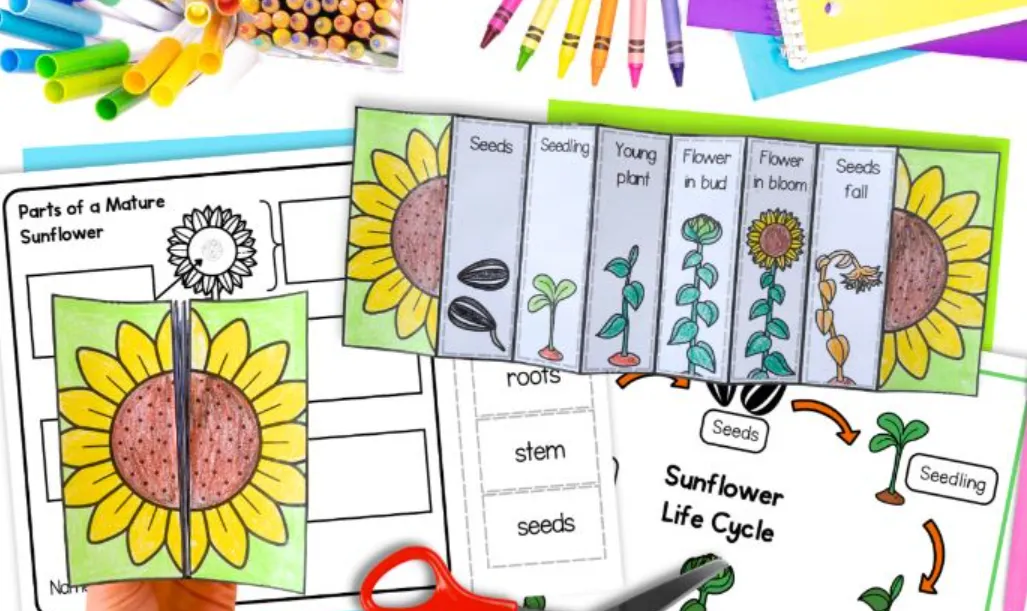
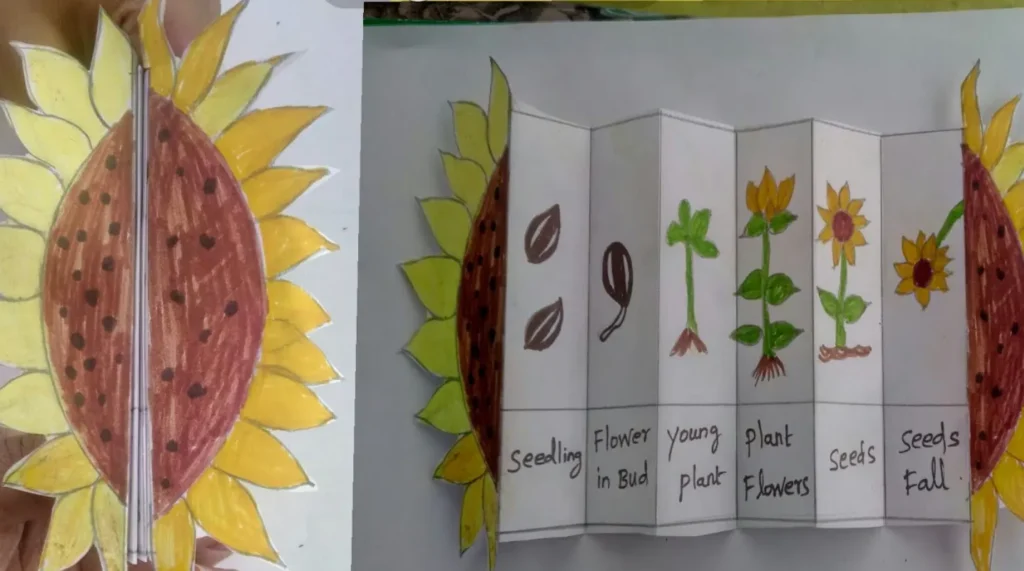
The life cycle includes seed → germination → seedling → vegetative growth → flowering → seed production → death.
3. Do sunflowers grow back every year?
Most common sunflowers are annual plants, meaning they complete their life cycle in one season and do not regrow naturally.
Quick Life Cycle Table
| Stage | Description | Duration |
| Seed Stage | Dormant seed planted in soil | 3–10 days |
| Germination | A seed absorbs water and sprouts | 5–10 days |
| Seedling | First leaves emerge, and the root develops | 2–3 weeks |
| Vegetative Growth | Rapid stem and leaf growth | 3–5 weeks |
| Bud Formation | Flower head begins to form | 1–2 weeks |
| Flowering | Full bloom facing the sun | 2–3 weeks |
| Seed Production | Seeds mature inside the flower head | 3–4 weeks |
| Death | The plant dries after seed dispersal | End of cycle |
The History Of Their Scientific Naming
The scientific naming of sunflowers has an interesting botanical history rooted in taxonomy and exploration.
- The sunflower’s scientific name is Helianthus annuus.
- The term “Helianthus” comes from Greek words:
- Helios = Sun
- Anthos = Flower
- This name reflects the sunflower’s natural tendency to track the sun (heliotropism).
- The species name “annuus” means “annual,” indicating that it completes its life cycle in one year.
- Sunflowers were first classified scientifically in the 18th century by Carl Linnaeus, the father of modern taxonomy.
- Early botanists categorized sunflowers under the Asteraceae family, which includes daisies and chrysanthemums.
- Native American tribes had already cultivated sunflowers long before scientific classification, using them for food, oil, and dyes.
This naming system helps scientists worldwide consistently identify and study sunflowers.
Their Evolution And Their Origin
Sunflowers originated in North America, where they were domesticated over 4,500 years ago. Archaeological evidence suggests that Native American tribes cultivated sunflowers as one of the earliest crops, even before maize in some regions.
Initially, wild sunflowers were smaller and branched. Through selective breeding, humans developed the large, single-headed sunflowers we see today. The need for larger seeds and higher oil content drove this evolution.
Sunflowers later spread to Europe in the 16th century through Spanish explorers. In Europe, they gained popularity as ornamental plants. However, it was in Russia during the 18th and 19th centuries that sunflowers became a major oil crop. Russian farmers improved oil extraction techniques and developed high-yield varieties.
Over time, sunflowers adapted to different climates, becoming one of the most versatile crops globally. Their deep root systems help them survive drought, while their fast growth helps them compete with weeds.
Modern sunflower varieties are bred for specific purposes:
- Oil production
- Seed consumption
- Decorative use
This long evolutionary journey highlights how humans and nature have shaped sunflowers into a globally important plant.
Their main food and its collection process
Sunflowers produce their own food through photosynthesis, a process that converts sunlight into energy.
🌿 Main Food Source
- Sunlight (primary energy source)
- Water from the soil
- Carbon dioxide from the air
- Nutrients like nitrogen, phosphorus, and potassium
🌱 Food Production Process
- Leaves absorb sunlight using chlorophyll
- Carbon dioxide enters through leaf pores (stomata)
- Roots absorb water and minerals from the soil
- Photosynthesis produces glucose (energy)
🌻 Collection and Storage
- Energy is transported through the plant via vascular tissues
- Excess glucose is stored in seeds as oil and nutrients
- This stored energy helps future plants grow
🌞 Additional Survival Mechanism
- Sunflowers exhibit heliotropism, turning toward the sun to maximize energy absorption.
- Young sunflowers follow the sun from east to west.
This efficient system allows sunflowers to grow rapidly and produce nutrient-rich seeds.
Their life cycle and ability to survive in nature
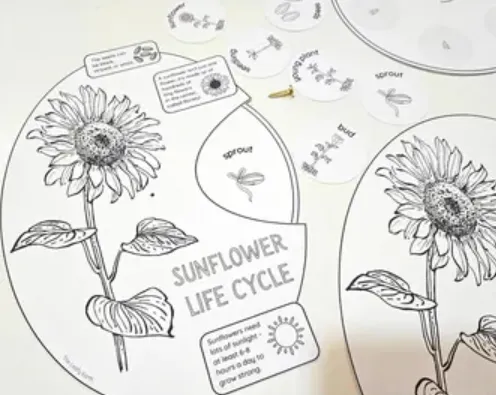
🌱 Germination Stage
The seed absorbs water and swells. A root (radicle) emerges first, anchoring the plant.
🌿 Seedling Stage
The shoot grows upward, and the first leaves appear. The plant begins photosynthesis.
🌻 Growth Stage
Rapid stem elongation occurs. Leaves expand to capture sunlight efficiently.
🌼 Flowering Stage
The plant develops a large flower head that attracts pollinators.
🌾 Seed Formation Stage
Seeds develop inside the flower head, where they store nutrients.
🌍 Survival Abilities
- Deep roots help access underground water
- Thick stems provide stability against wind
- Fast growth reduces competition
- Adaptability to different climates
Sunflowers are highly resilient, making them successful in a wide range of environments.
Their Reproductive Process and raising their children
Sunflowers reproduce through seeds, ensuring the continuation of their species.
🌻 Pollination Process
- Bees and insects transfer pollen between flowers
- Wind can also assist in pollination
🌼 Fertilization
- Pollen reaches the ovule inside the flower
- Fertilization leads to seed formation
🌱 Seed Development
- Seeds mature within the flower head
- Each sunflower head can produce hundreds to thousands of seeds
🌾 Seed Dispersal
- Seeds fall to the ground naturally
- Birds and animals help spread seeds
🌿 Growth of New Plants
- Seeds germinate under favorable conditions
- The cycle repeats
Sunflowers do not “raise children” like animals, but their seeds ensure future generations.
The importance of them in this Ecosystem
🌻 Pollinator Support
Sunflowers attract bees, butterflies, and other insects, supporting biodiversity.
🌱 Soil Health Improvement
Their roots help break compact soil and improve aeration.
🌾 Food Source
Seeds provide food for birds, animals, and humans.
🌍 Environmental Benefits
Sunflowers can absorb toxins from soil (phytoremediation).
🌿 Agricultural Value
They are used in crop rotation to improve soil fertility.
Sunflowers play a crucial role in maintaining ecological balance.
Important Things That You Need To Know
Sunflowers are not only beautiful but also deeply connected to various industries and daily life.
🌻 sunflower oil
Sunflower oil is widely used in cooking due to its low saturated fat and high vitamin E content. It supports heart health when used in moderation.
🌿 sunflower lecithin
This natural emulsifier is used in food, supplements, and cosmetics. It helps improve digestion and brain function.
🎨 sunflower drawing
Sunflowers are popular in art and design for their symmetrical patterns and bright colors, which symbolize happiness and positivity.
⚠️ Is sunflower oil bad for you
Sunflower oil is generally healthy, but excessive consumption—especially refined varieties—may promote inflammation due to its omega-6 fatty acids.
🥜 smackin sunflower seeds
These flavored sunflower seeds are a popular snack, rich in protein, fiber, and healthy fats.
Sunflowers influence nutrition, art, and industry, making them more than just a garden plant.
What to do to protect them in nature and save the system for the future
- 🌱 Plant sunflowers in gardens and farms to support pollinators
- 🚫 Avoid excessive pesticide use
- 💧 Use sustainable watering methods
- 🌍 Support organic farming practices
- 🐝 Protect bees and pollinators
- 🌿 Maintain soil health with natural fertilizers
- 🌾 Practice crop rotation
- 🌻 Grow native sunflower varieties
- 🌳 Reduce environmental pollution
- 📚 Educate others about plant conservation
Protecting sunflowers helps preserve biodiversity and ecosystem stability.
Frequently Asked Questions (FAQs)
1. What is the sunflower life cycle?
It is the process from seed germination to flowering and seed production.
2. How fast do sunflowers grow?
They can grow up to 12 inches per week under ideal conditions.
3. Do sunflowers need full sun?
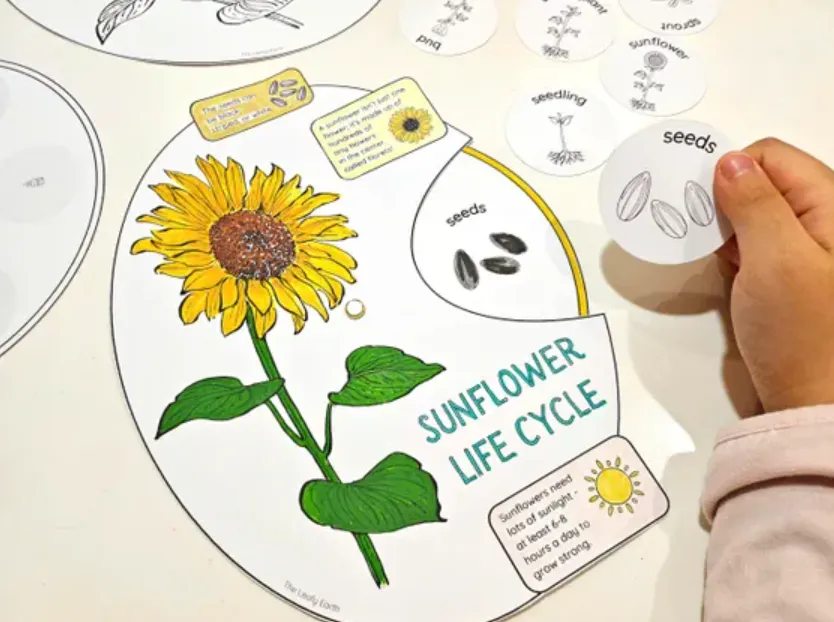
Yes, they require at least 6–8 hours of sunlight daily.
4. Can sunflowers grow in pots?
Yes, dwarf varieties grow well in containers.
5. Why do sunflowers follow the sun?
Young plants exhibit heliotropism to maximize photosynthesis.
6. How many seeds does a sunflower produce?
A single flower can produce 1,000–2,000 seeds.
7. Are sunflowers easy to grow?
Yes, they are beginner-friendly and require minimal care.
8. What animals eat sunflower seeds?
Birds, squirrels, and insects commonly feed on them.
Conclusion
The sunflower life cycle is a remarkable example of nature’s efficiency and beauty. From a simple seed to a towering plant with vibrant blooms, sunflowers demonstrate resilience, adaptability, and ecological importance. Their ability to produce food through photosynthesis, support pollinators, and generate nutrient-rich seeds makes them invaluable in both natural ecosystems and agriculture.
Beyond their biological significance, sunflowers contribute to human life through food products, oils, and even artistic inspiration. Understanding their life cycle helps us appreciate their role in sustaining biodiversity and maintaining environmental balance.
By protecting sunflowers and promoting sustainable practices, we ensure that future generations can continue to benefit from these incredible plants. Whether you grow them in your garden or study them academically, sunflowers remain a powerful symbol of growth, energy, and life. 🌻
Also Read About: beetle life cycle
About the Author