The varied carpet beetle life cycle is a fascinating yet often troublesome natural process that directly impacts homes, fabrics, and stored materials. These tiny insects, scientifically known as Anthrenus verbasci, are commonly found in households worldwide. While adult beetles are mostly harmless, their larvae can cause significant damage to natural fibers like wool, silk, and leather.
Understanding their life cycle is essential not only for pest control but also for appreciating their ecological role. From eggs to larvae, pupae, and adults, each stage has unique behaviors and survival strategies that make them highly adaptable.
Quick Answers (Most Common Questions)
1. How long is the varied carpet beetle life cycle?
The complete life cycle typically lasts 2–12 months, depending on temperature, humidity, and food availability.
2. What stage causes the most damage?
The larval stage is the most destructive, as larvae feed on natural fibers and organic materials.
3. Can varied carpet beetles bite humans?
They do not bite, but their larvae can cause skin irritation or allergic reactions, often mistaken for bites.
Quick Life Cycle Table
| Stage | Duration | Key Characteristics |
| Egg | 1–3 weeks | Tiny, white, laid near food sources |
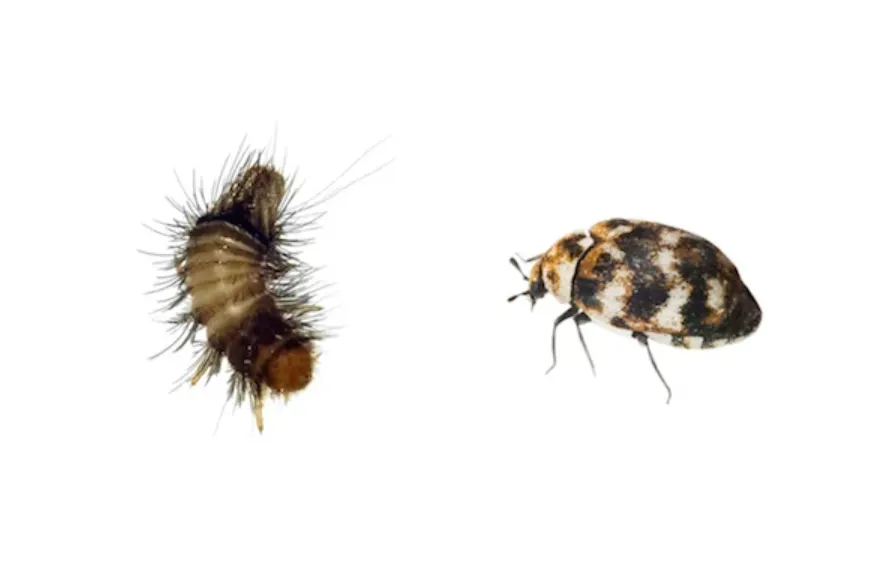
| Larva | 2–6 months | Hairy, active feeders are causing damage |
| Pupa | 1–3 weeks | Non-feeding, transformation stage |
| Adult | 2–6 weeks | Short-lived, focused on reproduction |
The History Of Their Scientific Naming
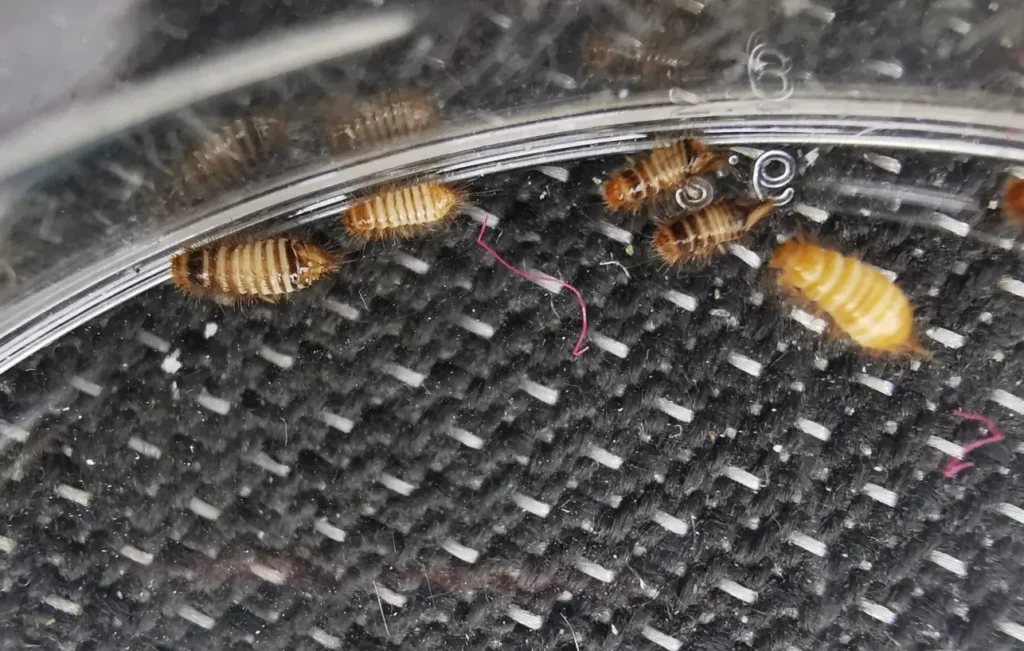
The varied carpet beetle (Anthrenus verbasci) has a rich scientific classification history rooted in early entomological studies.
- Origin of the Name:
- The genus Anthrenus comes from the Greek, meaning “small flower insect,” reflecting their attraction to pollen.
- Species Identification:
- The species name verbasci refers to the mullein plant (Verbascum), which was commonly found in early specimens.
- Taxonomic Classification:
- Kingdom: Animalia
- Phylum: Arthropoda
- Class: Insecta
- Order: Coleoptera
- Family: Dermestidae
- Historical Study:
- First described in the 18th century, these beetles became notable due to their impact on textiles and museum specimens.
- Scientific Importance:
- Their classification helped researchers understand pest behaviors and develop control strategies.
Their Evolution And Their Origin
The varied carpet beetle has evolved over millions of years, adapting to diverse environments worldwide. Originally, these beetles were found in natural habitats such as bird nests and animal remains, where they played a crucial role in decomposing organic matter.
As human civilization expanded, these beetles adapted remarkably well to indoor environments. Their ability to feed on a wide range of organic materials allowed them to thrive in homes, museums, and storage facilities.
Evolution has equipped them with:
- Strong survival instincts: They can withstand long periods without food.
- Flexible diet: Feeding on keratin-rich materials such as wool and feathers.
- Protective larvae hairs: These hairs deter predators and aid in survival.
Their global distribution today is a result of human trade and transportation. They often hitchhike on fabrics, carpets, and stored goods, making them among the most widespread household pests.
Interestingly, despite being considered pests indoors, they still serve an ecological function outdoors by decomposing dead organic material and contributing to nutrient recycling.
Their Main Food and Its Collection Process
The feeding behavior of varied carpet beetles varies significantly between larvae and adults.
Primary Food Sources
- Natural fibers: wool, silk, fur, leather
- Dead insects and animal remains
- Feathers and hair
- Stored food products (grains, cereals)
Collection and Feeding Process
- Larvae Feeding Behavior:
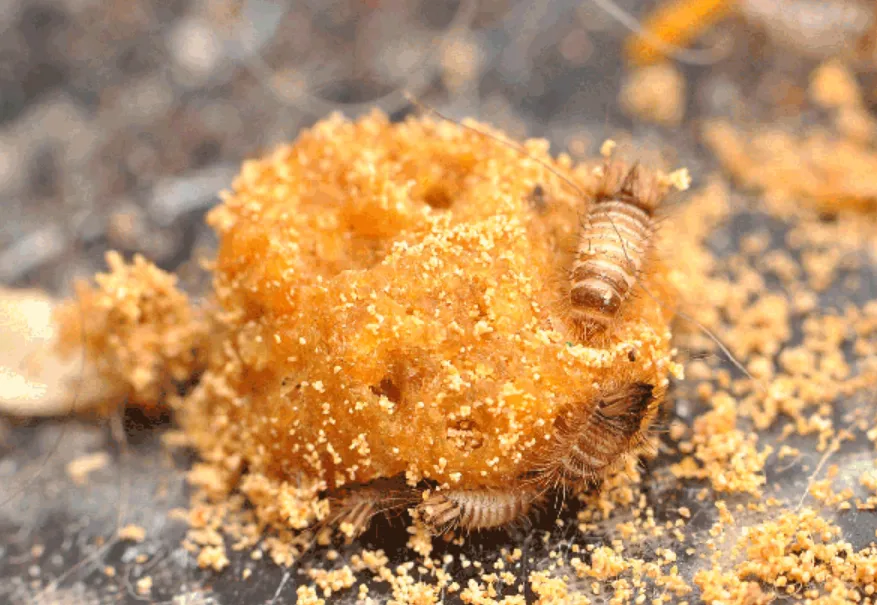
- Larvae actively crawl in dark areas searching for food. They use strong mouthparts to chew through fibers.
- Preference for Keratin:
- Keratin-rich materials provide essential nutrients for growth.
- Hidden Feeding:
- They often feed unnoticed inside carpets, closets, and upholstery.
- Adult Diet:
- Adults feed on pollen and nectar, often found near windows or flowers.
- Efficient Digestion:
- Their digestive system allows them to extract nutrients from tough materials.
This feeding versatility is one of the main reasons why infestations can become severe if not addressed early.
Their Life Cycle and Ability to Survive in Nature
Egg Stage
Female beetles lay eggs near food sources. These eggs hatch quickly, ensuring larvae have immediate access to nutrients.
Larval Stage
This is the longest and most critical stage. Larvae:
- Are highly mobile
- Feed continuously
- Can survive harsh conditions
They can even remain dormant if food is scarce.
Pupal Stage
During this stage, larvae transform into adults. They often hide in protected areas, such as cracks and crevices.
Adult Stage
Adults emerge, mate, and lay eggs. Their main goal is reproduction rather than feeding.
Survival Strategies
- Ability to thrive in low-light environments
- Resistance to starvation
- Adaptability to different climates
These traits make them highly resilient pests both indoors and outdoors.
Their Reproductive Process and Raising Their Children
The reproductive cycle of varied carpet beetles is efficient and rapid.
- Mating Behavior:
- Adults mate shortly after emerging from the pupal stage.
- Egg Laying:
- Females can lay 30–100 eggs in hidden areas near food sources.
- Strategic Placement:
- Eggs are laid in cracks, fabrics, or organic debris to ensure larval survival.
- No Parental Care:
- Once eggs are laid, parents do not provide care.
- Larval Independence:
- Larvae are fully independent and begin feeding immediately.
- Growth Through Molting:
- Larvae shed their skin multiple times as they grow.
This reproductive strategy ensures high survival rates, making infestations difficult to control.
Importance of Them in this Ecosystem
Natural Decomposers
Varied carpet beetles play a vital role in breaking down organic materials such as dead animals and plant matter.
Nutrient Recycling
They help return nutrients to the soil, supporting plant growth.
Food Source for Predators
They serve as prey for birds, spiders, and other insects.
Environmental Balance
Their presence helps maintain ecological balance by preventing the accumulation of organic waste.
Important Things That You Need To Know
Understanding key aspects of the varied carpet beetle can help prevent infestations and manage them effectively.
Key Insights
The varied diet of carpet beetles mainly consists of keratin-rich materials such as wool, fur, and feathers. This makes them particularly harmful to clothing and upholstery.
The varied carpet beetle lifespan varies depending on environmental conditions, but they can live up to a year, especially in cooler climates.
The varied carpet beetle larvae are the most destructive stage. Their hairy bodies can also trigger allergic reactions in sensitive individuals.
Many people confuse skin irritation caused by larvae with varied carpet beetle bites, although these insects do not actually bite.
To control infestations, understanding how to get rid of the various carpet beetles is essential. This includes regular cleaning, vacuuming, and proper storage of fabrics.
Prevention Tips
- Regularly vacuum carpets and furniture
- Store clothes in airtight containers
- Clean dark, hidden areas frequently
- Use natural repellents like cedar
By staying informed, homeowners can minimize damage and maintain a pest-free environment.
What to do to protect them in nature and save the system for the future
While controlling them indoors is necessary, protecting their ecological role is equally important.
- Avoid excessive pesticide use in natural habitats
- Maintain ecological balance by supporting biodiversity
- Preserve natural decomposition processes
- Educate communities about their environmental role
- Encourage sustainable pest control methods
- Protect habitats where they contribute positively
- Promote eco-friendly cleaning solutions
- Avoid disrupting natural ecosystems unnecessarily
Balancing pest control with environmental conservation is key to a sustainable future.
Frequently Asked Questions (FAQs)
1. What attracts varied carpet beetles to homes?
They are attracted to natural fibers, food crumbs, and dark, hidden areas.
2. Are varied carpet beetles dangerous?
They are not dangerous but can damage fabrics and cause allergies.
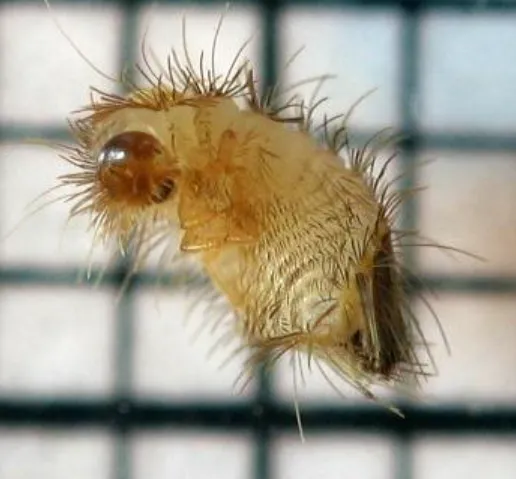
3. How do I identify their larvae?
They are small, hairy, and brownish with bristle-like hairs.
4. Can they fly?
Yes, adult beetles can fly and often enter homes through windows.
5. How fast do they reproduce?
They can reproduce quickly, laying dozens of eggs at a time.
6. Do they infest beds?
They may be found in bedding, but they do not live like bed bugs.
7. What is the best way to eliminate them?
Thorough cleaning, vacuuming, and proper storage are most effective.
8. Are they seasonal pests?
They are more active in warmer months but can survive year-round indoors.
Conclusion
The varied carpet beetle life cycle is a complex, adaptive process that enables these insects to thrive in both natural and indoor environments. From their humble beginnings as eggs to their destructive larval stage and short-lived adult phase, each stage plays a crucial role in their survival.
While they can be a nuisance in homes, especially due to their feeding habits and potential to damage valuable fabrics, they also serve an important ecological function. Their role in decomposition and nutrient recycling highlights their significance in maintaining environmental balance.
Understanding their behavior, diet, and life cycle empowers homeowners to take effective preventive measures. At the same time, recognizing their ecological importance encourages responsible pest management practices.
By combining knowledge with action, you can protect your home while respecting the natural role these insects play in the ecosystem.
Also Read About: a life cycle of a ladybird
About the Author