Penguins are among the most fascinating birds on Earth, known for their unique adaptation to cold environments and their charming upright walk. When people search for the penguin life cycle, they often want to understand how these flightless birds grow, survive, and thrive in some of the harshest climates on the planet.
From icy Antarctica to temperate coastal regions, penguins have evolved into exceptional swimmers and resilient survivors. Their life cycle is a remarkable journey that begins with a fragile egg and transforms into a powerful ocean hunter.
In recent years (2026 data), climate change, melting ice caps, and shifting ocean currents have significantly impacted penguin populations. This makes understanding their life cycle more important than ever. By learning how penguins grow and survive, we can better appreciate their role in the ecosystem and why conservation efforts are critical.
Penguins like the emperor penguin and macaroni penguin follow slightly different life patterns, but the overall stages remain similar. Their life includes egg laying, chick development, juvenile growth, and adulthood, each stage presenting unique challenges.
Interestingly, penguins are not just scientific subjects; they are widely featured in documentaries, such as HBO specials about penguins, and even inspire art, like penguin drawing tutorials and educational penguin lessons.
This article explores every stage of the penguin life cycle in detail, along with their evolution, reproduction, and ecological importance. Let’s dive into the incredible world of penguins.
Their Evolution And Their Origin
Penguins have a long evolutionary history that dates back millions of years. Despite their modern association with icy environments, their ancestors lived in warmer regions.
Early Origins
Scientists believe penguins evolved around 60–65 million years ago, shortly after the extinction of dinosaurs. Fossil records suggest that early penguins were already flightless but much larger than today’s species.
Some ancient penguins stood over 6 feet tall, making them giants compared to modern species. These prehistoric birds lived in areas that are now part of New Zealand and Antarctica.
Transition to Aquatic Life
Penguins gradually adapted to a marine lifestyle. Their wings evolved into flippers, allowing them to “fly” underwater.
Their bones became denser, enabling them to dive deeper. Unlike flying birds, penguins sacrificed flight for swimming efficiency.
Adaptation to Cold Environments
As the Earth cooled and Antarctica became icy, penguins adapted to extreme conditions. They developed:
- Thick layers of blubber
- Waterproof feathers
- Social behaviors like huddling
These adaptations allowed species like emperor penguins to survive temperatures below -40°C.
Diversification of Species
Today, there are about 18 recognized penguin species. Each species has adapted to its specific environment.
For example:
- Emperor penguins thrive in Antarctica
- Galápagos penguins live near the equator
- Macaroni penguin populations are among the largest globally
Modern Evolution Challenges (2026 Insight)
In 2026, researchers highlight rapid environmental changes affecting penguin habitats. Ocean warming and reduced sea ice are forcing penguins to adapt faster than ever before.
Some species are shifting breeding locations, while others face declining food sources. Evolution is still ongoing, but human impact has accelerated environmental pressures.
Understanding penguin evolution helps us appreciate their resilience and highlights the urgency of protecting their future.
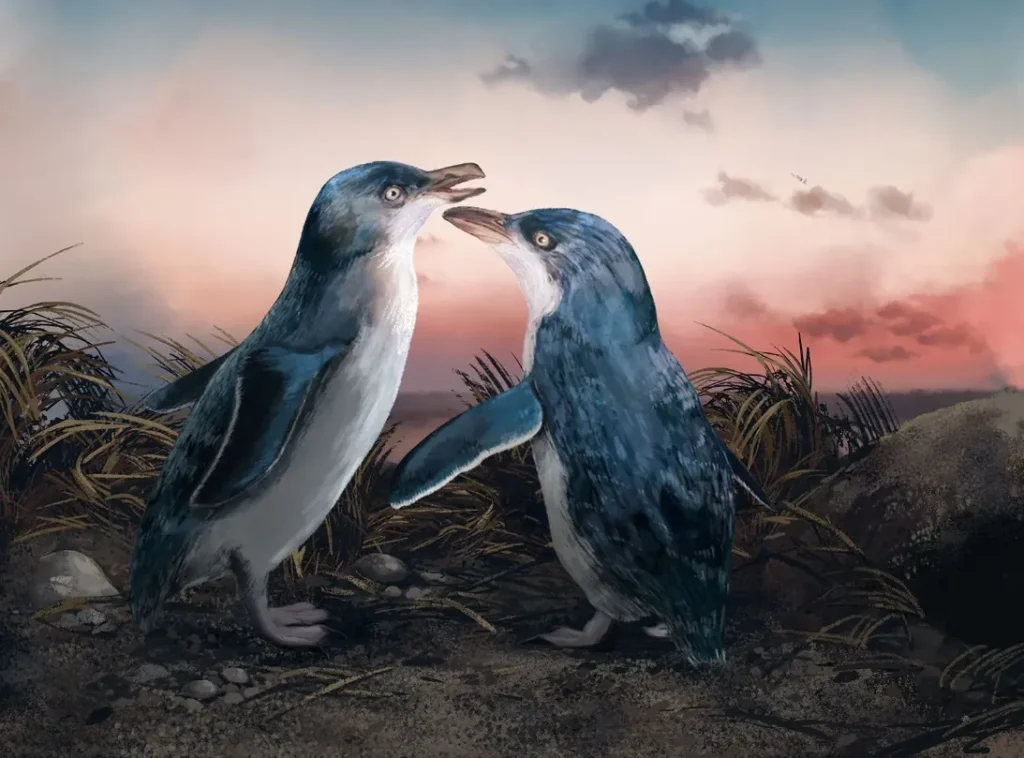
The History of Their Scientific Naming
The scientific naming of penguins has evolved alongside our understanding of biology and taxonomy. Here’s a structured overview:
- Origin of the Word “Penguin”
- The word “penguin” may come from the Welsh term pen gwyn, meaning “white head.” Early explorers used it to describe birds they encountered in the Southern Hemisphere.
- First Scientific Classification
- Penguins belong to the family Spheniscidae. The name comes from Greek roots meaning “wedge-shaped,” referring to their body structure.
- Binomial Nomenclature System
- Scientists use Latin names to classify penguins. For example:
- Emperor penguin: Aptenodytes forsteri
- Macaroni penguin: Eudyptes chrysolophus
- Changes Over Time
- As new fossils were discovered, classifications were updated. Some species were reclassified based on DNA analysis.
- Modern Taxonomy (2026 Update)
- Genetic research now plays a major role in classification. Scientists use DNA sequencing to understand relationships between species better.
- Importance of Scientific Naming
- Scientific names help avoid confusion and ensure global consistency in research and conservation efforts.
This system allows scientists worldwide to communicate clearly about penguin species and their characteristics.
Their life cycle and ability to survive in nature
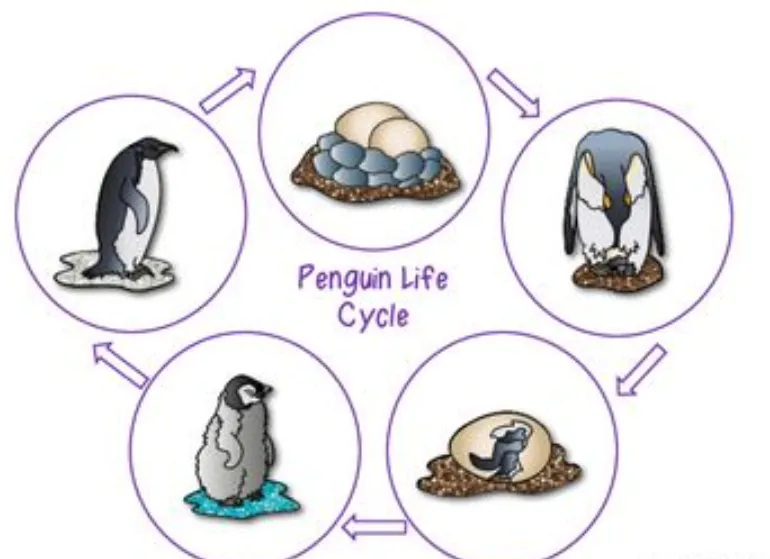
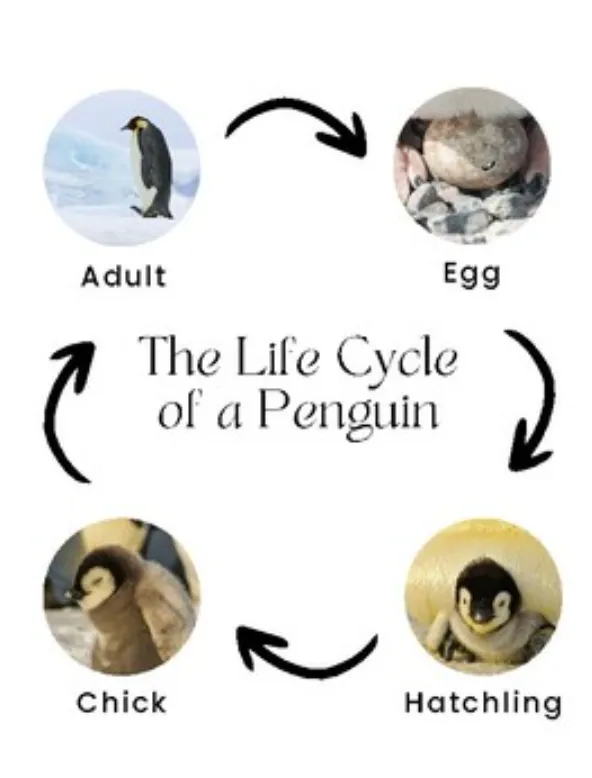
The penguin life cycle is a fascinating process shaped by the challenges of survival in extreme conditions.
Key Stages of the Life Cycle
- Egg Stage
- Penguins lay one or two eggs, depending on the species. These eggs are carefully incubated to protect them from freezing temperatures.
- Chick Stage
- Once hatched, chicks rely entirely on their parents for warmth and food. They are covered in soft down feathers.
- Juvenile Stage
- As chicks grow, they develop waterproof feathers. This stage prepares them for life in the ocean.
- Adult Stage
- Adult penguins become skilled swimmers and hunters. They can travel long distances in search of food.
Survival Abilities
- Thermal Regulation
- Penguins maintain body heat through blubber and tightly packed feathers.
- Huddling Behavior
- In extreme cold, penguins huddle together to conserve heat.
- Efficient Swimming
- Penguins can swim at speeds up to 15 km/h, helping them escape predators.
- Salt Regulation
- Special glands allow penguins to drink seawater by removing excess salt.
Modern Survival Challenges (2026)
- Climate change is reducing sea ice
- Overfishing affects food availability
- Pollution threatens habitats
Despite these challenges, penguins continue to adapt, showcasing their incredible resilience.
Their Reproductive Process and raising their children
Penguin reproduction is a carefully coordinated process that ensures the survival of their young.
Reproductive Process
- Mating Season
- Penguins return to the same breeding grounds each year.
- Courtship Behavior
- Males attract females through vocal calls and displays.
- Egg Laying
- Most species lay one or two eggs per season.
Raising Their Children
- Shared Parenting
- Both parents take turns incubating the egg and hunting for food.
- Feeding the Chick
- Parents regurgitate food to feed their chicks.
- Protection
- Chicks are protected from predators and harsh weather.
- Crèche Formation
- In some species, chicks form groups for safety while parents hunt.
Parenting Challenges
- Harsh weather conditions
- Limited food supply
- Predators like skuas and seals
Despite these obstacles, penguins are highly dedicated parents, ensuring the survival of their offspring.
The importance of them in the ecosystem
Penguins play a vital role in maintaining the balance of marine ecosystems.
Key Ecological Roles
- Indicator Species
- Penguins reflect the health of the ocean ecosystem.
- Food Chain Balance
- They help regulate fish and krill populations.
- Nutrient Cycling
- Penguin waste enriches soil and supports plant growth.
- Support for Other Species
- Their colonies create habitats for other organisms.
Environmental Impact
- Declining penguin populations signal environmental issues
- Changes in their behavior indicate ocean shifts
Human Connection
- Penguins attract tourism
- They inspire conservation awareness
Protecting penguins means protecting the entire marine ecosystem.
Important Things That You Need To Know
Penguins are not just wildlife icons; they are deeply connected to human culture, education, and entertainment.
Understanding Penguins Beyond Nature
Penguins are featured in many aspects of modern life. For example, the penguin show format has become popular in documentaries, showcasing their daily lives in stunning detail.
Educational platforms use penguin lessons to teach children about biology, climate change, and environmental conservation. These lessons make learning engaging and meaningful.
Art enthusiasts often enjoy creating penguin drawing projects to raise awareness and appreciation for these birds.
Media platforms like the HBO documentary series Penguins have brought global attention to penguin conservation, highlighting the challenges they face in 2026.
Why Penguins Matter Globally
- They are symbols of climate change awareness
- They connect science with storytelling
- They inspire creativity and education
Cultural and Scientific Importance
Penguins bridge the gap between science and society. From documentaries to classrooms, they help people understand the natural world in a relatable way.
By combining entertainment and education, penguins continue to capture the hearts of millions worldwide.
What to do to protect them in nature and save the system for the future
Protecting penguins requires global effort and awareness. Here are practical steps:
- Reduce Carbon Footprint
- Lower greenhouse gas emissions to combat climate change.
- Support Sustainable Fishing
- Avoid overfishing to ensure penguins have enough food.
- Protect Marine Habitats
- Support marine protected areas and conservation programs.
- Reduce Plastic Pollution
- Minimize plastic use to prevent ocean contamination.
- Support Conservation Organizations
- Donate to groups working to protect penguins.
- Raise Awareness
- Educate others about penguin conservation.
- Promote Eco-Tourism
- Choose responsible tourism practices.
- Encourage Research
- Support scientific studies on penguin populations.
By taking these actions, we can help ensure a sustainable future for penguins and the ecosystems they depend on.
Frequently Asked Questions (FAQs)
1. What are the stages of the penguin life cycle?
Egg, chick, juvenile, and adult stages.
2. How long do penguins live?
Most penguins live 15–20 years in the wild.
3. Where do penguins live?
Primarily in the Southern Hemisphere, from Antarctica to warmer regions.
4. What do penguins eat?
Fish, krill, and squid.
5. How do penguins survive cold temperatures?
Through blubber, dense feathers, and huddling behavior.
6. Are penguins endangered?
Some species are threatened due to climate change and human activity.
7. How do penguins raise their chicks?
Both parents share responsibilities like feeding and protection.
8. Why are penguins important?
They maintain ecosystem balance and indicate environmental health.
Conclusion
The penguin life cycle is a remarkable journey that showcases resilience, adaptation, and survival. From the moment a penguin egg is laid to the time it becomes a skilled ocean hunter, each stage reflects the incredible ability of these birds to thrive in challenging environments.
Penguins have evolved over millions of years, adapting to both warm and icy habitats. Today, they face new challenges due to climate change, pollution, and human activity. Understanding their life cycle helps us appreciate their struggles and the importance of protecting them.
Their role in the ecosystem is vital. Penguins maintain the balance of marine life, support nutrient cycles, and serve as indicators of environmental health. Beyond science, they inspire education, art, and global awareness through documentaries and cultural representations.
In 2026, the need for conservation has never been more urgent. By reducing environmental impact, supporting sustainable practices, and raising awareness, we can help secure a future for penguins.
Ultimately, protecting penguins means protecting our planet. Their survival is deeply connected to the health of our oceans and ecosystems. By taking action today, we ensure that future generations can continue to admire and learn from these extraordinary creatures.
Also Read About: A ladybirds life cycle
About the Author