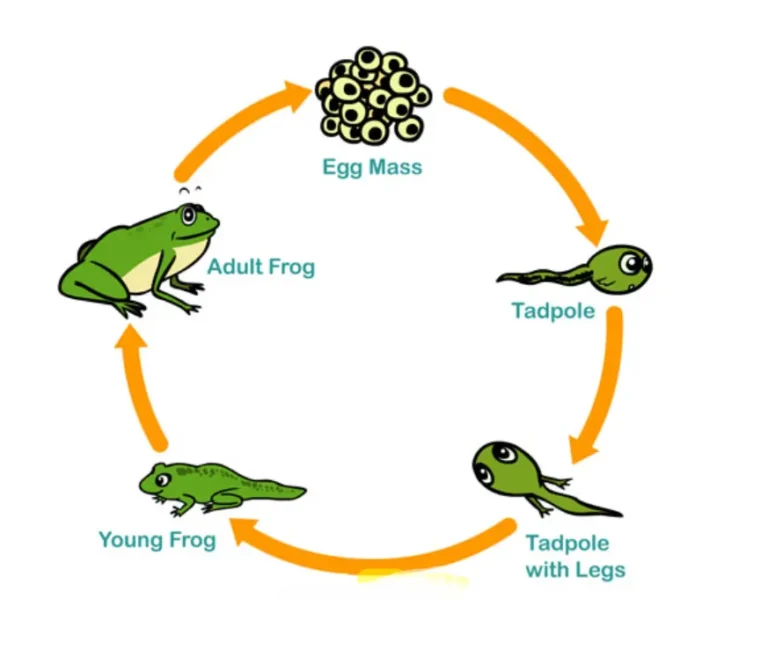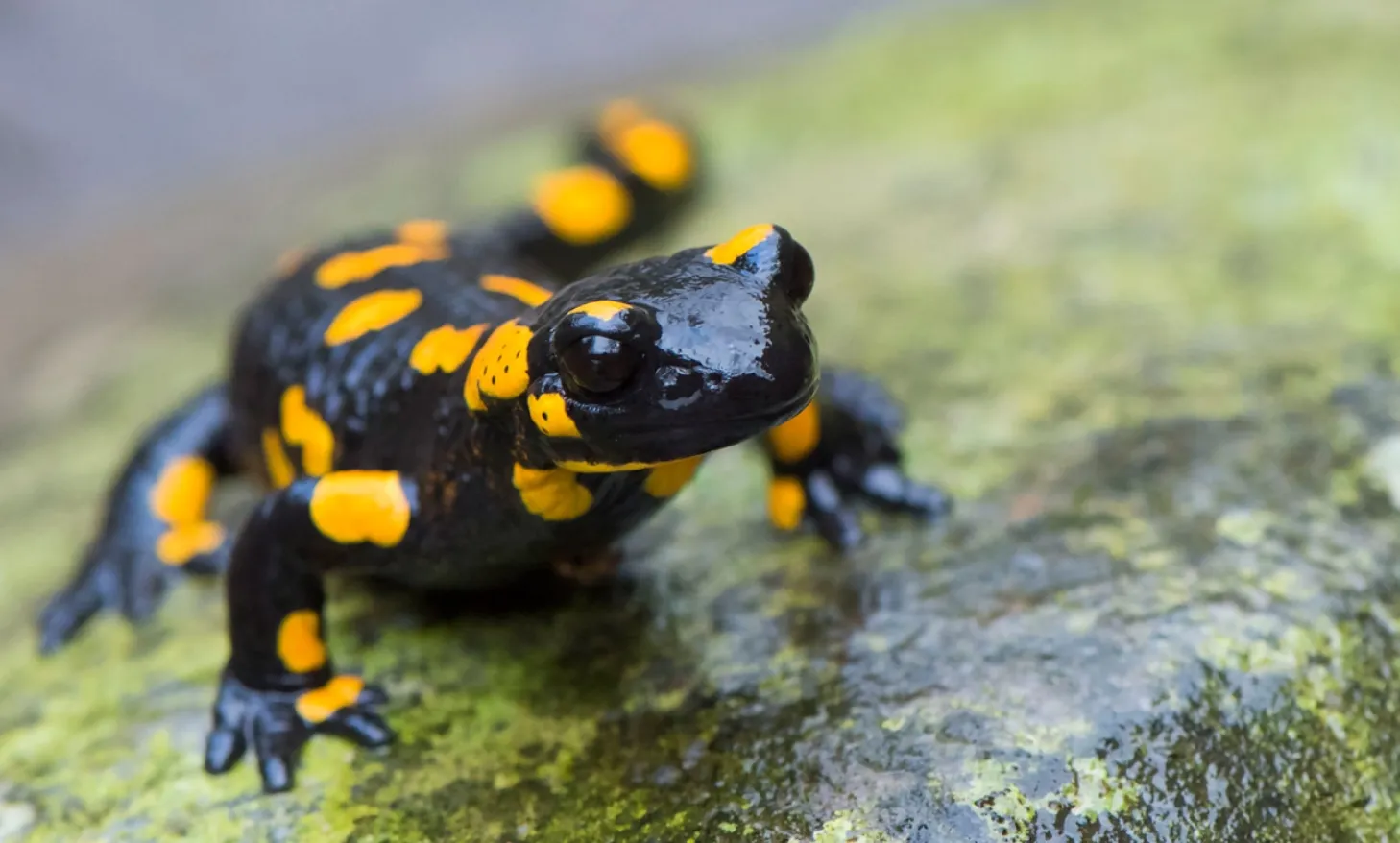
The life cycle of salamanders is fascinating because they are not only small amphibians with soft, moist skin, but also important indicators of a healthy environment. A salamander usually begins life as an egg, hatches into an aquatic larva, develops limbs, passes through metamorphosis, and finally becomes an adult. However, not all salamanders follow the same life pattern. Some live mostly in water, some live mostly on land, and some species keep larval features even after becoming mature.
Salamanders belong to the amphibian order Caudata, also known as Urodela. They differ from lizards because they lack scales, claws, or dry reptilian skin. Instead, they depend on moisture, clean habitats, and protected hiding places. Their life cycle helps us understand how amphibians connect water, land, soil, forests, and food chains.
Q: What are the main stages in the life cycle of a salamander?
A: The main stages are egg, larva, juvenile, and adult salamander.
Q: Do all salamanders live in water?
A: No. Some salamanders are aquatic, some are semi-aquatic, and many adults live mostly on moist land.
Q: Why are salamanders important in nature?
A: Salamanders control insects, support predators, move nutrients, and show whether an ecosystem is healthy.
Quick Life Cycle Table
| Life Cycle Stage | Main Features | Habitat | Survival Need |
| Egg | Soft, jelly-like eggs | Water, damp soil, leaf litter, and underground spaces | Moisture and protection |
| Larva | External gills, tail fin, small body | Pond, stream, wetland | Clean water and small prey |
| Growing Larva | Limbs begin to develop | Mostly aquatic habitat | Food, oxygen, shelter |
| Metamorphosis | Gills reduce, body changes | Water edge or damp land | Safe transition area |
| Juvenile | Small adult-like body | Forest floor, streamside, burrow | Moist shelter and tiny prey |
| Adult | Mature and ready to reproduce | Aquatic, terrestrial, or semi-aquatic habitat | Food, breeding site, moisture |
Important Things That You Need To Know
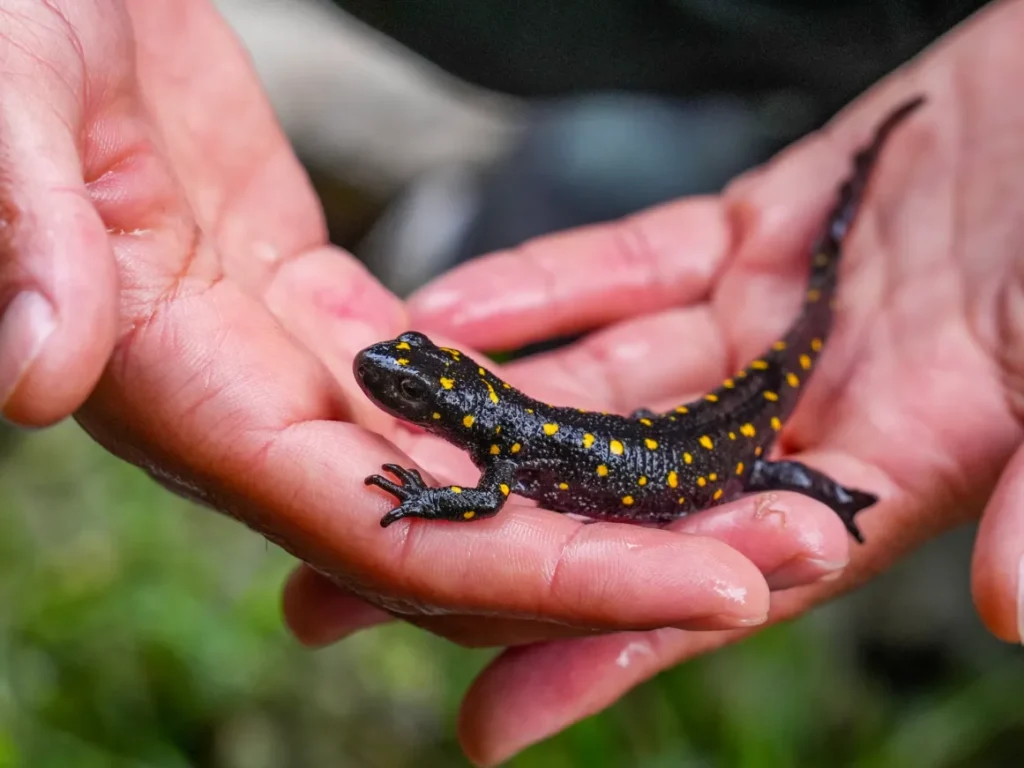
The word salamander describes many different amphibian species, not just one animal. A small woodland salamander, a tiger salamander, and a Chinese giant salamander all belong to the same broad amphibian group. Still, their sizes, habitats, diets, and reproductive behaviours can vary widely.
The tiger salamander is one of the most recognised mole salamanders. It often breeds in ponds, while adults may spend much of their lives hidden underground. The giant salamander group includes some of the largest amphibians in the world. These animals usually live in cool, clean, flowing freshwater habitats.
Another important topic is salamander regenerative ability. Salamanders are famous for regrowing lost body parts, including limbs, tails, and certain tissues. This makes them highly valuable in scientific studies related to healing and tissue repair.
Some LSI keywords, such as “salamander resort” and “salamander heater,” are not directly related to amphibian biology. They may refer to brands, places, or products. For a scientific article about the life cycle of a salamander, these keywords should not be forced unnaturally. The main focus should remain on the biology, reproduction, survival, and conservation of real salamanders.
The History Of Their Scientific Naming
The scientific naming of salamanders is closely connected to their body structure. Salamanders are classified under the order Caudata, which is related to the meaning “tailed.” They are also known as Urodela, another scientific term for salamanders and newts.
In the past, many people confused salamanders with lizards because they have long bodies, short legs, and tails. However, salamanders are amphibians, not reptiles. They have soft, moist skin and usually depend on water or humid environments.
Scientists separated salamanders from reptiles by studying their anatomy, skin, eggs, larvae, teeth, limbs, skull structure, and reproductive systems. These features showed that salamanders are closer to frogs and other amphibians than to lizards.
Today, salamanders are divided into several families, including Salamandridae, Ambystomatidae, Plethodontidae, and Cryptobranchidae. This classification helps scientists understand the evolution, habitat, behaviour, and life-cycle differences of these organisms.
Their Evolution And Their Origin
The evolutionary origin of salamanders goes back millions of years. Salamanders are part of the larger amphibian group, along with frogs, toads, and caecilians. Their body shape has remained quite recognisable over a very long period: a long body, a long tail, short limbs, a flexible spine, and soft skin.
Fossil discoveries show that salamander-like animals existed during the age of dinosaurs. Some ancient fossils show both larval and adult forms, indicating that the basic life-cycle pattern of salamanders was already present in early salamander evolution.
Their survival came from flexibility. Some salamanders adapted to forests, some to ponds, some to mountain streams, some to caves, and others to underground burrows. This ability to adjust to many habitats helped them spread into different regions.
One of the most interesting evolutionary features of salamanders is neoteny, also known as paedomorphosis. This means that some salamanders can become sexually mature while still keeping larval features, such as external gills. The axolotl is a famous example of this process.
This evolutionary flexibility makes salamanders one of the most interesting amphibian groups. Their life cycles can be simple or complex, depending on species, habitat, temperature, water availability, and environmental pressures.
Their Main Food and Its Collection Process
Salamanders are mostly carnivorous animals. Their food depends on their age, size, habitat, and species. A tiny larval salamander eats very small aquatic prey, while a large giant salamander may eat bigger animals such as fish, frogs, or other amphibians.
Most salamanders are quiet hunters. They usually hide under logs, stones, leaves, mud, or aquatic plants, waiting for prey to come close. Many adult salamanders hunt at night because cool and damp conditions help protect their skin from drying.
Their common food sources include:
- Small insects such as flies, beetles, ants, and insect larvae.
- Worms are found in moist soil and leaf litter.
- Snails and slugs in forest habitats.
- Aquatic insects such as mosquito larvae and water beetle larvae.
- Small crustaceans in ponds and streams.
- Spiders, mites, and tiny arthropods in damp places.
- Small fish, frogs, or other salamanders are among the larger aquatic species.
The food collection process is usually fast and efficient. A salamander waits silently, then quickly strikes when prey moves nearby. Some salamanders use a sticky tongue, while others grab prey directly with their jaws.
Aquatic larvae feed on tiny animals in water. Terrestrial adults often come out after rainfall, when insects and worms are active. This feeding behaviour makes salamanders useful because they help control small animal populations in forests, wetlands, and gardens.
Their Life Cycle and Ability to Survive in Nature
Egg Stage
The life cycle of a salamander usually begins with eggs. Many species lay eggs in water, while others place them in damp soil, moss, underground spaces, or under logs.
The eggs are soft and jelly-like. They must remain moist, as drying can kill the developing embryo. Some species lay eggs in clusters, while others lay them one by one.
Larval Stage
After hatching, many salamanders become aquatic larvae. These larvae often have external gills, a tail fin, and a body designed for swimming. They feed on tiny aquatic animals and grow gradually.
During this stage, larvae are vulnerable to fish, insects, birds, and larger amphibians.
Metamorphosis
Metamorphosis is the stage where the larva changes into a juvenile salamander. The gills may shrink, the lungs may develop, the limbs may become stronger, and the body may becomemay become better suited for land or semi-aquatic life.
Not all salamanders complete metamorphosis in the same way. Some remain aquatic throughout life, while others leave the water after transformation.
Adult Survival
Adult salamanders survive by staying hidden, moist, and active mostly during cool periods. Many hide under rocks, logs, leaves, or inside burrows during the day.
They avoid heat and dryness because their skin must remain moist for breathing and water balance. Their survival depends on clean water, healthy soil, forests, wetlands, and safe breeding sites.
Their Reproductive Process and Raising Their Children
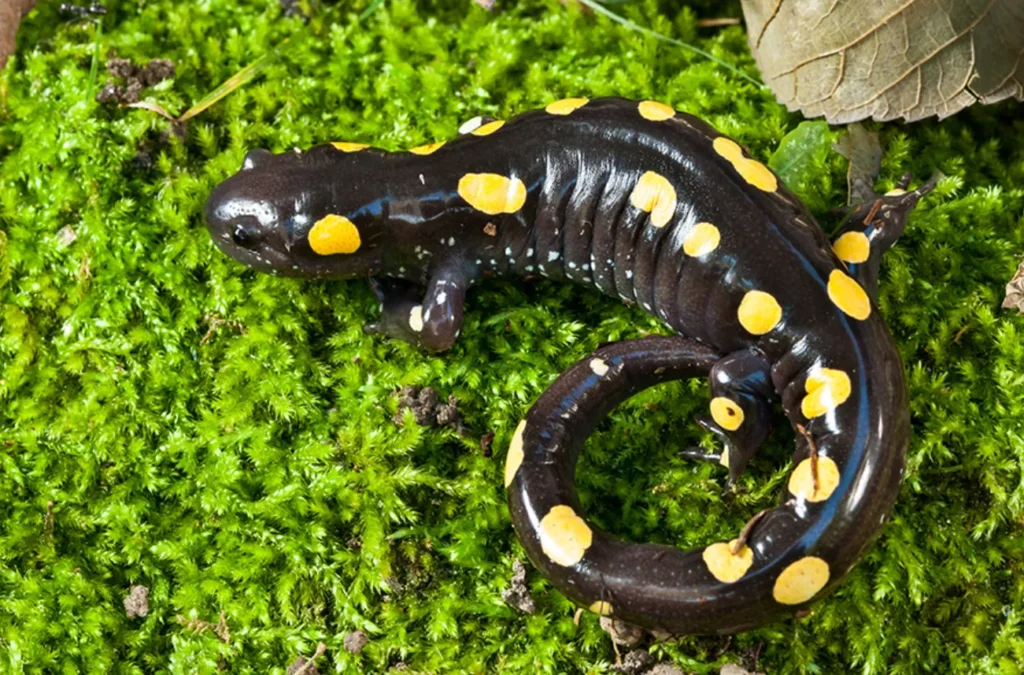
Salamander reproduction varies widely among species. Some reproduce in ponds, some in streams, some in caves, and some on moist land. Their reproductive process is strongly connected to water, humidity, temperature, and seasonal rainfall.
Many salamanders use courtship behaviour before mating. In several species, the male deposits a sperm packet called a spermatophore, and the female picks it up for internal fertilisation. In some primitive aquatic salamanders, fertilisation may happen externally.
Important reproductive features include:
- Courtship movement: Males may use tail waving, body contact, scent signals, or special movements.
- Spermatophore transfer: Many species use a sperm packet for reproduction.
- Egg laying: Eggs may be laid in ponds, streams, damp soil, moss, or under stones.
- Egg protection: Some females guard eggs to protect them from fungi and predators.
- Aquatic larvae: Many species hatch into larvae that live in water.
- Direct development: Some salamanders hatch as tiny adults without a free-swimming larval stage.
- Limited parental care: Most species do not raise young like mammals, but egg guarding is common in some groups.
Young salamanders must quickly learn to hunt, hide, and avoid predators. They may be eaten by fish, birds, snakes, turtles, mammals, large insects, and even other salamanders.
Importance of Them in This Ecosystem
Natural Pest Control
Salamanders eat insects, worms, slugs, mosquito larvae, and other small invertebrates. This helps control populations of many small animals in forests, wetlands, gardens, and freshwater habitats.
Because they eat many hidden insects and soil animals, salamanders play a quiet but important role in natural pest control.
Food for Other Animals
Salamanders are also food for many predators. Birds, snakes, fish, raccoons, turtles, shrews, and larger amphibians may eat them.
This makes salamanders an important part of the food chain. They transfer energy from small invertebrates to larger animals.
Nutrient Cycling
Many salamanders move between water and land. This helps transfer nutrients between aquatic and terrestrial ecosystems.
When salamanders feed, grow, reproduce, and die, their bodies return nutrients to soil, water, plants, and decomposers.
Bioindicators of Environmental Health
Salamanders are sensitive to pollution, habitat loss, disease, drought, and climate change. Their skin readily absorbs water and chemicals so that they can be harmed quickly by unhealthy environments.
A strong salamander population often indicates that the habitat has clean water, adequate soil moisture, natural shelter, and stable ecological conditions.
What to Do to Protect Them in Nature and Save the System for the Future
Salamanders face many threats, including habitat loss, pollution, road deaths, climate change, illegal collection, and disease. Protecting them means protecting forests, wetlands, streams, and natural soil systems.
Practical steps include:
- Protect natural wetlands, ponds, streams, and forest habitats.
- Avoid draining seasonal pools and small breeding ponds.
- Keep fallen logs, leaf litter, stones, and natural ground cover in forests.
- Reduce pesticide, herbicide, and chemical use near water and soil.
- Do not collect wild salamanders for pets.
- Never release captive salamanders into the wild.
- Keep streams clean and shaded.
- Restore native plants around ponds and waterways.
- Build wildlife crossings near roads close to breeding sites.
- Clean boots and equipment before moving between wetland areas.
- Support conservation programmes for threatened amphibians.
- Protect mountain streams where the giant salamander species lives.
- Teach children and communities not to harm salamanders.
- Monitor amphibian diseases that can damage wild populations.
- Reduce climate pressure by protecting forests that keep habitats cool and moist.
When salamanders are protected, many other species benefit too. Their conservation supports clean water, healthy soil, balanced food chains, and stronger ecosystems.
Frequently Asked Questions (FAQs)
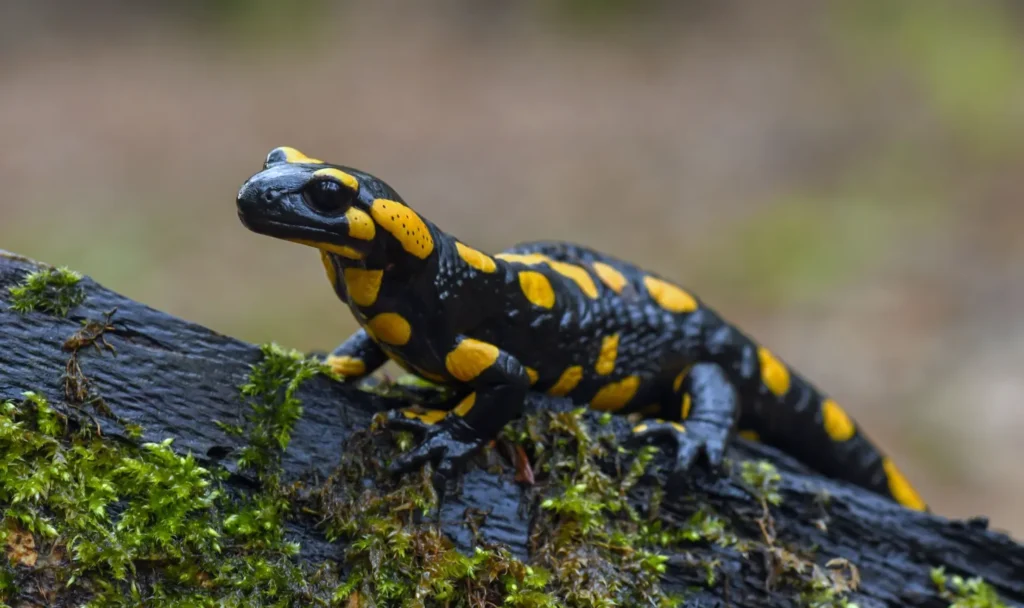
Q: What is the life cycle of a salamander?
A: The life cycle of a salamander usually includes egg, larva, juvenile, and adult stages. Many salamanders hatch as aquatic larvae and later transform into adults.
Q: How long does a salamander stay in the larval stage?
A: It depends on the species and environment. Some stay as larvae for a short time, while others remain in this stage for months or even years.
Q: What do baby salamanders eat?
A: Baby salamanders and larvae usually eat tiny aquatic animals, insect larvae, small worms, and other small organisms found in water.
Q: What do adult salamanders eat?
A: Adult salamanders eat insects, worms, slugs, snails, spiders, and other small invertebrates. Larger species may eat fish, frogs, or small amphibians.
Q: Are salamanders reptiles?
A: No. Salamanders are amphibians. They have moist skin and often depend on water or damp habitats.
Q: Why are salamanders important in the ecosystem?
A: Salamanders control small prey populations, provide food for predators, move nutrients, and indicate ecosystem health.
Q: What is special about a salamander’s regenerative ability?
A: Some salamanders can regrow lost limbs, tails, and certain tissues. This makes them important in biological and medical research.
Q: Is the Chinese giant salamander a real salamander?
A: Yes. The Chinese giant salamander is one of the largest living amphibians and belongs to the family Cryptobranchidae.
Conclusion
The life cycle of a salamander shows how a small amphibian connects water, land, soil, forests, and food chains. A salamander may begin as a soft egg, hatch into a larva, pass through metamorphosis, and finally become an adult predator. However, different species follow different paths, which makes salamanders highly diverse and scientifically important.
From the tiger salamander to the Chinese giant salamander, these animals show amazing survival skills. Their diet controls insects, their bodies support predators, and their presence reveals the health of an ecosystem.
Protecting salamanders means protecting clean water, wetlands, forests, soil moisture, and natural shelters. If salamanders disappear, the balance of many ecosystems becomes weaker. By saving salamanders, we also save many hidden parts of nature that depend on them.
Also Read: life cycle of horned tomato worm
About the Author