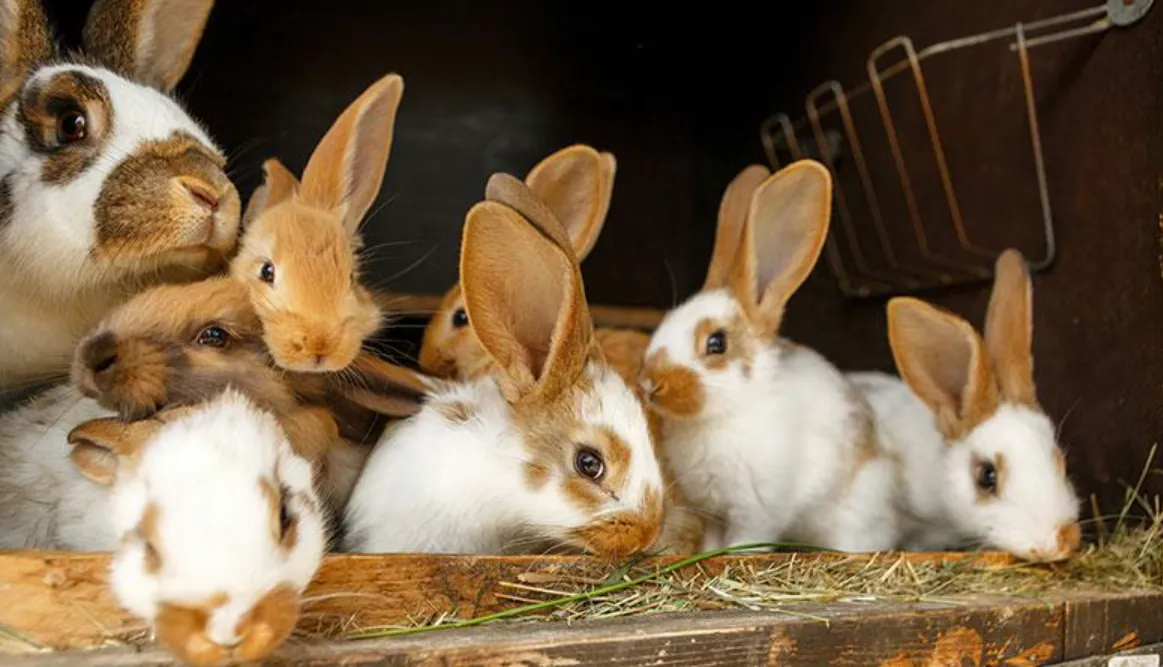
The rabbit’s life cycle is one of the most interesting growth journeys in the animal world. A rabbit begins life as a tiny, blind, hairless newborn called a kit. Within a few weeks, it grows quickly, opens its eyes, starts eating solid food, learns survival behaviours, and gradually becomes independent.
Rabbits are known for their rapid reproduction, strong adaptability, and their important role in natural food chains. Many species live in grasslands, forests, wetlands, deserts, and human-managed environments. The European rabbit, scientifically known as Oryctolagus cuniculus, is one of the best-known rabbit species and is also the ancestor of most domestic rabbits. Rabbits are herbivorous mammals, and their life cycles are closely linked to food availability, predator pressure, climate, shelter, and breeding conditions.
Q: What are the main stages in the life cycle of the rabbit?
A: The main stages are newborn kit, young rabbit, juvenile, adult rabbit, and senior rabbit.
Q: How long is a rabbit’s pregnancy?
A: Most domestic and European rabbits have a short gestation period of about 30 to 31 days, depending on breed, health, and environment.
Q: What do baby rabbits eat?
A: Baby rabbits drink their mother’s milk first. Later, they slowly begin eating hay, grass, soft plants, and other suitable plant-based foods.
Quick Life Cycle Table
| Life Cycle Stage | Approximate Age | Main Features | Survival Needs |
| Newborn Kit | Birth to 10 days | Blind, hairless, helpless, fully dependent on mother | Warm nest, milk, protection |
| Growing Kit | 10 days to 3 weeks | Eyes open, fur develops, movement improves | Nursing, safe nesting area |
| Weaning Stage | 3 to 6 weeks | Begins eating solid food, still needs care | Grass, hay, clean water, shelter |
| Juvenile Rabbit | 6 weeks to 3 months | Active, curious, fast-growing | Space, food, safety from predators |
| Young Adult Rabbit | 3 to 6 months | Reproductive maturity begins in many breeds | Balanced diet, secure habitat |
| Adult Rabbit | 6 months to 5 years | Fully grown, breeding, strong survival behaviour | Food supply, burrow, social structure |
| Senior Rabbit | 5 years and above | Slower movement, lower energy, reduced fertility | Protection, softer food, stable environment |
The History of Their Scientific Naming
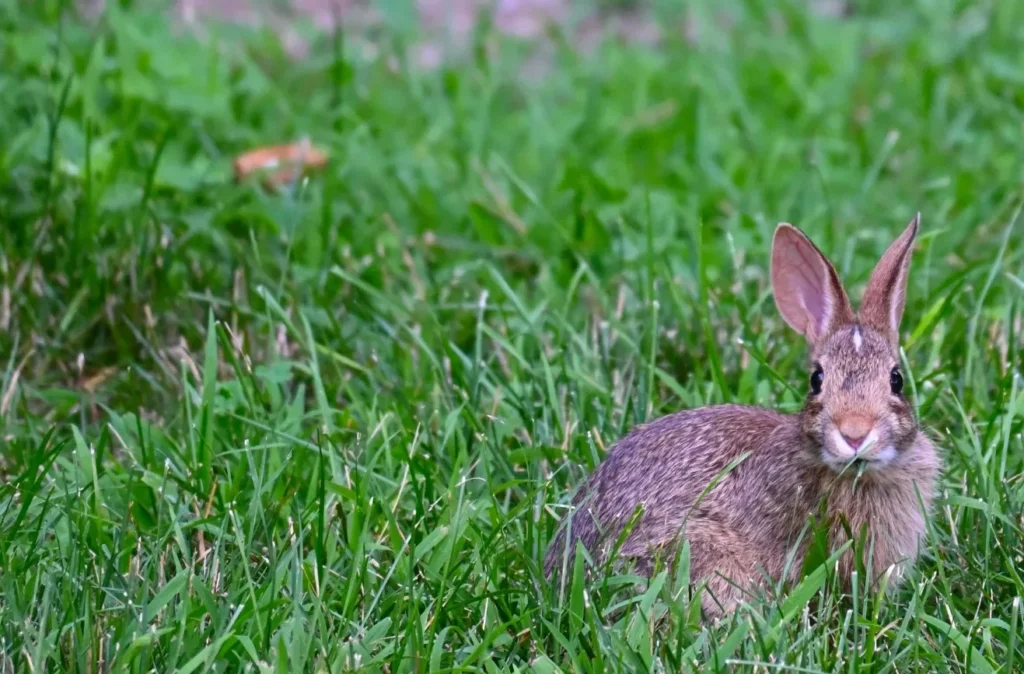
The scientific name of the rabbit helps distinguish it from similar animals, such as hares and pikas. Rabbits belong to the family Leporidae, which includes both rabbits and hares. They are part of the order Lagomorpha, not the rodent order. This is important because rabbits were once commonly confused with rodents due to their continuously growing teeth and plant-based diet.
The European rabbit is named Oryctolagus cuniculus. The word Oryctolagus comes from Greek roots connected with digging and hare-like animals. This name reflects the rabbit’s habit of digging burrows and living in underground tunnel systems. The species name cuniculus is linked with the Latin word for rabbit or underground passage.
Scientific naming is useful because common names vary by region. A black rabbit, wild rabbit, domestic rabbit, or pet rabbit may look different, but scientific classification helps identify their biological relationships. Modern taxonomy shows that rabbits are specialized mammals with unique teeth, rapid breeding, and strong adaptation to grasslands and burrow-based living.
Their Evolution And Their Origin
Rabbits have a long evolutionary history. They belong to the mammalian order Lagomorpha, which includes rabbits, hares, and pikas. Fossil evidence shows that lagomorphs appeared tens of millions of years ago, with early forms becoming more diverse across Asia, Europe, and North America. Some research places early lagomorph development in the Eocene, making rabbits part of an ancient mammal lineage.
The ancestors of modern rabbits slowly developed features that helped them survive in open landscapes. Their strong hind legs improved jumping and quick escape. Their large ears helped detect predators. Their sharp front teeth allowed them to cut grasses, bark, herbs, and other plant materials.
The European rabbit, Oryctolagus cuniculus, is believed to have originated mainly from areas around the Iberian Peninsula and nearby regions. Over time, humans spread rabbits to many parts of the world for food, fur, farming, and companionship. In some places, rabbits became valuable domestic animals. In other places, introduced rabbit populations created ecological problems by overgrazing and competing with native species.
This evolutionary story explains why the rabbit’s life cycle is so successful. Rabbits grow fast, reproduce quickly, hide well, and adapt to changing food sources. These traits help them survive even when many predators prey on them.
Their main food and its collection process
Rabbits are herbivores, which means their diet comes mainly from plants. In nature, they eat grasses, weeds, leaves, soft stems, herbs, roots, bark, twigs, flowers, and sometimes fallen fruits. Their food choices depend on season, habitat, rainfall, and plant availability.
Rabbits collect food mostly through grazing. They use their sharp front teeth to cut plant material close to the ground. Their side teeth then grind the food into smaller pieces. This chewing process is important because rabbit teeth grow continuously; regular chewing helps keep them naturally worn down.
Important parts of their feeding process include:
- Grazing on grass: Wild rabbits usually feed during early morning, evening, and night when they feel safer from predators.
- Choosing soft plants: Young shoots, herbs, and leafy weeds are easier to digest and provide moisture.
- Eating fibrous food: Grass and hay-like plants support healthy digestion and keep the gut moving.
- Re-chewing nutrients: Rabbits produce special soft droppings called cecotropes, which they eat again to absorb more nutrients.
- Avoiding danger while feeding: Rabbits often feed near burrows, bushes, or cover so they can escape quickly.
Food is central to the rabbit’s life cycle. A well-fed mother produces better milk, kits grow faster, juveniles become stronger, and adults maintain breeding health. When food becomes scarce, reproduction may naturally decrease because the body conserves energy for survival.
Their life cycle and ability to survive in nature
Newborn Kit Stage
A rabbit begins life as a newborn kit. At birth, kits are blind, hairless, weak, and unable to regulate body temperature properly. They stay inside a nest lined with grass, fur, and soft material. The mother usually visits briefly to nurse them.
Growth and Weaning Stage
After about 10 days, the eyes begin to open, and fur becomes thicker. Kits start moving more confidently. By three to six weeks, many young rabbits begin eating solid food and gradually depend less on milk. Domestic rabbit kits are often weaned at around six weeks.
Juvenile and Adult Stage
Juvenile rabbits become active, alert, and curious. They learn feeding patterns, hiding behaviour, and escape responses. Adult rabbits survive by using strong hearing, fast movement, burrows, camouflage, and group warning signals.
Natural Survival Ability
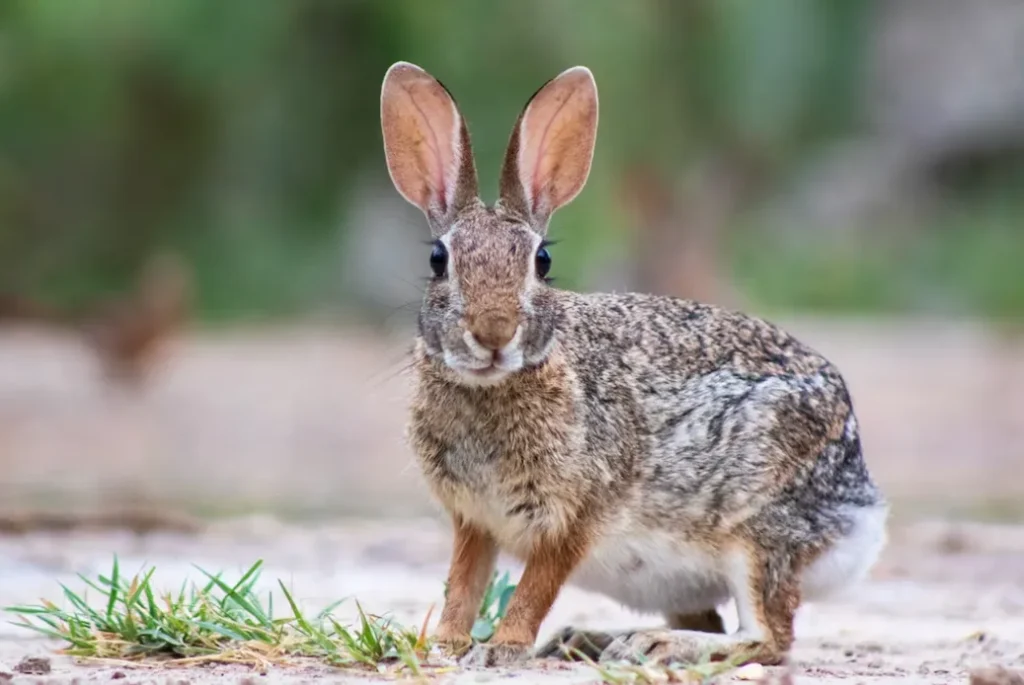
Rabbits survive in nature because they are quick breeders and cautious animals. Their eyes are placed on the sides of the head, giving them a wide field of vision. Their ears detect small sounds, and their hind legs allow sudden bursts of speed. These adaptations help them avoid foxes, hawks, snakes, cats, dogs, and other predators.
Their Reproductive Process and raising their children
Rabbit reproduction is one of the main reasons their populations can grow quickly. A female rabbit is called a doe, a male rabbit is called a buck, and the babies are called kits or kittens. Many rabbits can breed at a young age, and some species can produce several litters in one year when food and shelter are favourable.
Their reproductive and parenting process includes:
- Mating: A mature buck and doe mate when conditions are suitable. In the wild, breeding is often influenced by season, food, weather, and safety.
- Gestation: Pregnancy is short, usually around one month, in many domestic and European rabbits.
- Nest building: Before birth, the doe prepares a nest using grass, hay, leaves, and fur pulled from her own body.
- Birth: Kits are born inside the nest. They are blind, hairless, and fully dependent on warmth and milk.
- Nursing: The mother does not stay in the nest all day. She usually nurses quickly, often once or twice daily, to avoid attracting predators.
- Early growth: Kits grow rapidly because rabbit milk is rich and concentrated.
- Weaning: Young rabbits slowly shift from milk to solid food.
- Independence: After weaning, they begin exploring, feeding, hiding, and behaving more like adult rabbits.
Although rabbits reproduce quickly, not every baby survives in the wild. Predators, disease, cold weather, habitat loss, and food shortage can reduce survival rates.
Important Things That You Need To Know
When researching the rabbit’s life cycle, many related search terms appear online. Some are directly connected to real animals, while others are associated with entertainment, brands, services, or popular culture. Understanding the difference helps readers find the right information.
The word rabbit usually refers to the small herbivorous mammal known for long ears, strong hind legs, soft fur, and rapid reproduction. A black rabbit may describe a rabbit with black fur, which can appear in domestic breeds and some colour variations. Coat colour does not change the basic rabbit life cycle, but it may affect visibility in certain habitats.
Some LSI terms are not biological. Jojo Rabbit is a film title, not an animal life cycle topic. Task Rabbit refers to a service platform, not a species. Jessica Rabbit is a fictional animated character. Roller Rabbit is associated with lifestyle and fashion branding. The phrase cast of black rabbit television show also belongs to entertainment searches.
For SEO purposes, these terms may appear near the main keyword because they include the word rabbit. However, this article focuses on real rabbits, their growth, reproduction, feeding habits, ecological value, and survival in nature. Using related terms carefully is better than forcing them into every paragraph. Google rewards helpful content that satisfies user intent, so the main focus should remain on the rabbit’s biological life cycle
.
The importance of them in this Ecosystem
Rabbits as Prey Animals
Rabbits are a major food source for many predators. Foxes, wolves, wild cats, snakes, eagles, owls, hawks, and many other animals depend on rabbits as part of their diet. This makes rabbits an important link in the food chain.
Rabbits as Grazers
Rabbits help shape vegetation through grazing. By feeding on grasses, weeds, and young plants, they influence plant height, density, and regrowth. In some ecosystems, this grazing creates open spaces where different plant species can grow.
Rabbits as Soil Helpers
Rabbit droppings return nutrients to the soil. Their waste can support microbial activity and plant growth. In burrow-building species, digging also changes soil structure. Burrows can improve soil mixing and provide shelter for other small animals.
Rabbits and Biodiversity
Rabbits can support biodiversity when their populations are balanced. They feed predators, recycle nutrients, and influence plant communities. However, in areas where rabbits are introduced and have few natural predators, they may become invasive and damage native vegetation. This is why ecosystem balance is very important.
What to do to protect them in nature and save the system for the future
Protecting rabbits does not mean allowing unlimited population growth everywhere. It means protecting healthy habitats, maintaining natural balance, and preventing human actions that damage ecosystems.
- Protect natural habitats: Grasslands, shrublands, forests, and wetlands should be protected from unnecessary destruction.
- Avoid harmful chemicals: Pesticides and toxic lawn treatments can poison rabbits and reduce their access to safe food sources.
- Support native vegetation: Native plants provide better food, shelter, and nesting material for wild rabbits and other animals.
- Control invasive threats carefully: In places where rabbits are invasive, management should be humane, science-based, and ecosystem-focused.
- Keep pet rabbits responsibly: Domestic rabbits should not be released into the wild because they may suffer or disturb local ecosystems.
- Reduce habitat fragmentation: Roads, buildings, and fences can fragment rabbit populations and increase mortality.
- Protect predator balance: Natural predators help keep rabbit populations stable.
- Create safe green spaces: Gardens, parks, and farms can support wildlife when managed with care.
- Educate communities: People should understand the difference between wild rabbits, domestic rabbits, and invasive populations.
- Support conservation research: Local ecological studies help identify whether rabbits need protection or population control in a specific area.
A healthy future depends on balance. Rabbits are valuable animals, but their role must be understood within the full Ecosystem.
Frequently Asked Questions (FAQs)
Q: What is the life cycle of the rabbit?
A: The life cycle of the rabbit begins with the newborn kit stage, followed by the growing kit stage, weaning stage, juvenile stage, adult stage, and senior stage. Each stage involves changes in feeding, movement, independence, and survival.
Q: What is a baby rabbit called?
A: A baby rabbit is called a kit or kitten. Kits are born blind, hairless, and helpless. They depend on their mother’s milk and the warmth of the nest during the early days of life.
Q: How long does it take for a rabbit to grow up?
A: Many rabbits grow quickly and become independent within weeks. Domestic rabbits are often weaned at around six weeks, but full physical and reproductive maturity depends on breed, size, nutrition, and environment.
Q: What do rabbits eat during their life cycle?
A: Young kits drink milk first. As they grow, they begin eating hay, grass, leaves, herbs, weeds, and other plant materials. Adult rabbits need fibre-rich food to support digestion and tooth health.
Q: How many babies can a rabbit have?
A: Litter size varies by breed, species, season, and health. Some rabbits can have several kits in one litter and may reproduce multiple times in a year when conditions are favourable.
Q: Why do rabbits reproduce so fast?
A: Rabbits reproduce quickly because they are prey animals. Many predators hunt them, so fast reproduction helps maintain population numbers in nature.
Q: Are rabbits rodents?
A: No, rabbits are not rodents. They belong to the order Lagomorpha, while rats, mice, and squirrels belong to the order Rodentia. Rabbits have unique dental features that separate them from rodents.
Q: Why are rabbits important in the Ecosystem?
A: Rabbits are important because they feed predators, graze vegetation, recycle nutrients through droppings, and influence soil and plant communities. Their role can be positive when populations remain balanced.
Conclusion
The life cycle of the rabbit shows how a small mammal can survive through fast growth, careful nesting, strong senses, rapid reproduction, and flexible feeding habits. From a blind newborn kit to an alert adult, every stage of the rabbit’s life is shaped by food, shelter, predators, weather, and habitat quality.
Rabbits are more than cute animals. They are important herbivores, prey species, contributors to soil, and participants in ecosystems. Their grazing can shape plant life, while their presence supports many predators. At the same time, rabbit populations must remain balanced because overpopulation can harm vegetation and native habitats.
Understanding rabbits helps us protect nature more wisely. By caring for habitats, avoiding harmful chemicals, keeping domestic rabbits responsibly, and respecting ecological balance, we can support both rabbits and the wider environment for the future.
Also Read: life cycle of the common octopus
About the Author