Malaria is a life-threatening disease primarily transmitted by Anopheles mosquitoes. It remains a significant global health issue, particularly in tropical and subtropical regions. The malaria parasite, Plasmodium, enters the human body when an infected mosquito bites a person, and it swiftly multiplies, leading to symptoms such as fever, chills, and fatigue. While malaria is a preventable and treatable disease, it continues to affect millions globally.
Quick Answers to Common Questions About Malaria:
- How is malaria transmitted?
- Malaria is transmitted through the bites of female Anopheles mosquitoes infected with the Plasmodium parasite. These mosquitoes generally bite between dusk and dawn.
- How can malaria be prevented?
- Prevention involves measures like using insect repellent, sleeping under bed nets, and taking antimalarial drugs. Reducing mosquito breeding sites also plays a key role.
- What is the cure for malaria?
- Malaria is treated with antimalarial medications such as chloroquine, artemisinin-based combination therapies (ACTs), and other prescribed drugs, depending on the type of Plasmodium involved.
Important Things That You Need to Know
- Malaria Disease: This disease is a leading cause of death in certain regions, but it is preventable and treatable.
- How Is Malaria Disease Transmitted?: It is transmitted by mosquitoes that carry the Plasmodium parasite.
- Prevention of Malaria Disease: Protecting against malaria includes using mosquito nets and repellents.
- Cure of Malaria Disease: Antimalarial drugs are the primary treatment options.
Quick Life Cycle Table
| Stage | Description |
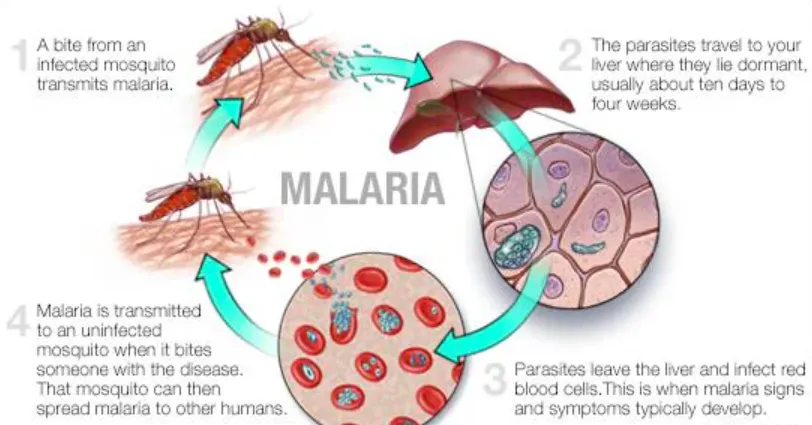
| Sporozoite | A mosquito bites a human and injects sporozoites. |
| Liver Stage | Sporozoites travel to the liver and mature. |
| Merozoite | Parasites leave the liver and infect red blood cells. |
| Trophozoite | Parasites feed on red blood cells, causing damage. |
| Gametocyte | Male and female gametocytes are formed. |
| Mosquito Transmission | Infected gametocytes are consumed by mosquitoes, continuing the cycle. |
The History Of Their Scientific Naming
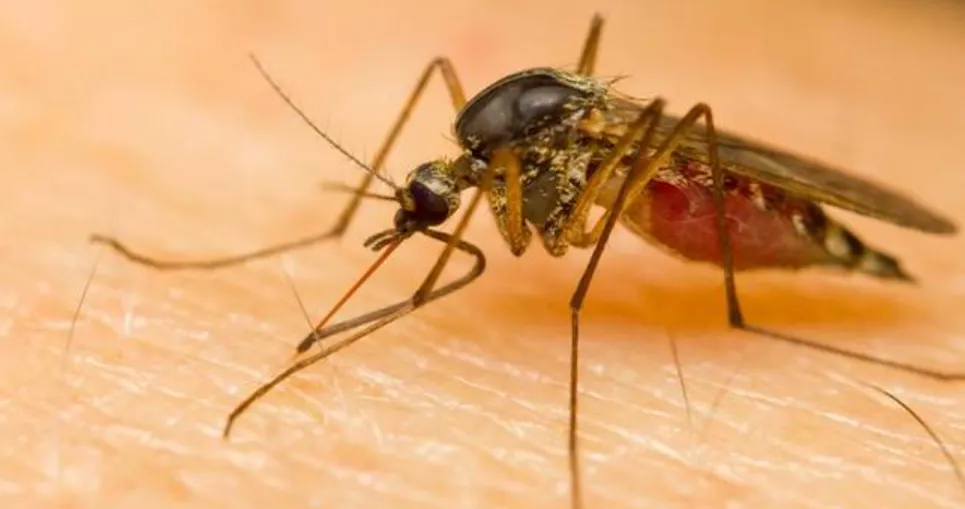
The scientific naming of malaria-related parasites dates back to the 19th century. The genus Plasmodium was first described by Sir Ronald Ross, who discovered the parasite’s life cycle in mosquitoes. In 1897, Ross found that Plasmodium was transmitted by mosquitoes, not by direct human contact, which revolutionized our understanding of malaria transmission. The name Plasmodium comes from the Greek word “plasma,” meaning “mold,” referring to the characteristic shape of the parasite during its lifecycle.
Their Evolution And Their Origin
Malaria has been affecting humans for thousands of years. It is believed that the parasite’s origins trace back to ancient times when it likely jumped from primates to humans in Africa. Over time, the Plasmodium parasite evolved into different species, each adapting to different human populations. The most common malaria parasite today is Plasmodium falciparum, but several others exist, including Plasmodium vivax, Plasmodium ovale, and Plasmodium malariae.
The Anopheles mosquitoes, the vectors of malaria, have also evolved alongside these parasites. Early human migrations and trade routes helped spread malaria worldwide. Evolutionary pressures, such as the development of drug resistance, have forced both the parasite and the mosquito to evolve continually. Today, malaria remains one of the leading causes of death in sub-Saharan Africa, though efforts to eradicate the disease continue globally.
Their Main Food and Its Collection Process
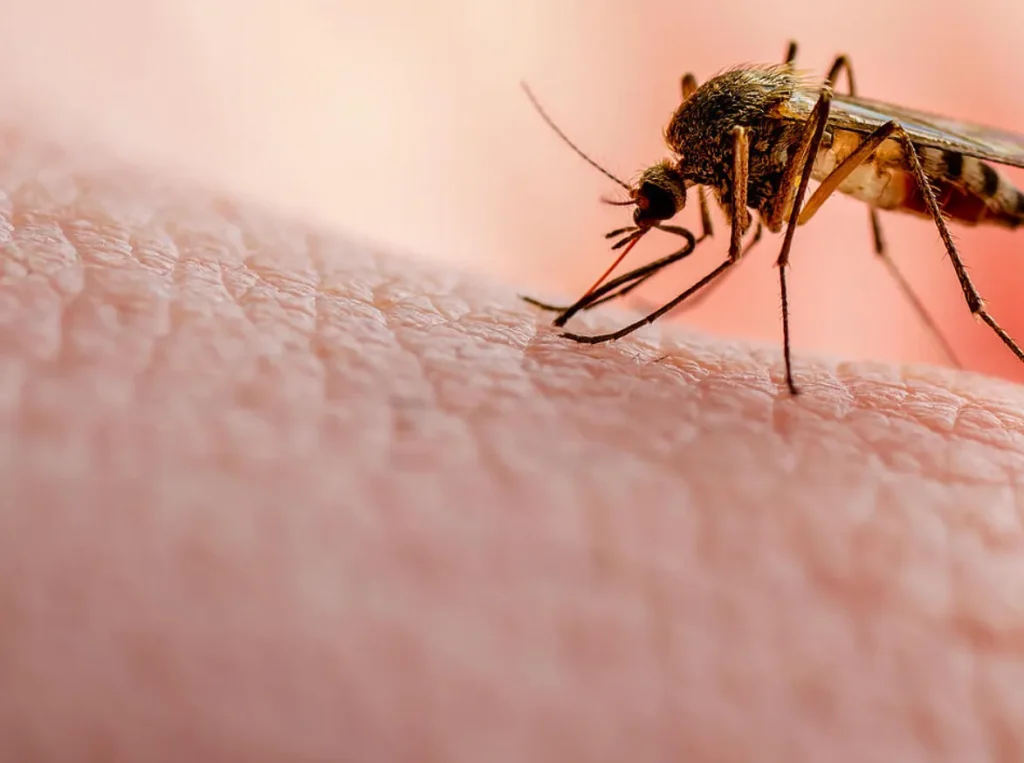
The Plasmodium parasite’s primary food source is the red blood cells of its host. The mosquito itself feeds on human blood to gather nutrients for egg development. Here’s how the process works:
- Mosquito Feeding: Female mosquitoes bite a human, drawing blood to nourish their eggs.
- Parasite Ingestion: If the person is infected with Plasmodium, the mosquito ingests gametocytes (the sexual forms of the parasite).
- Parasite Development: Inside the mosquito, the gametocytes mature into sporozoites that travel to the mosquito’s salivary glands.
- Transmission: When the mosquito bites again, it injects the sporozoites into another human, starting the cycle over.
Their Life Cycle and Ability to Survive in Nature
H3: Life Cycle Stages of Malaria
The life cycle of malaria is an intricate process that involves both a human host and a mosquito vector. Upon being bitten by an infected mosquito, the Plasmodium sporozoites enter the human bloodstream. These sporozoites travel to the liver, where they mature and multiply. Once released from the liver, merozoites invade red blood cells, causing the symptoms associated with malaria. Some merozoites develop into gametocytes, which can be transmitted back to mosquitoes, continuing the cycle.
This life cycle demonstrates the parasite’s ability to survive both in humans and mosquitoes. The parasite can adapt to environmental changes, such as variations in human immune responses or changes in mosquito control measures.
Their Reproductive Process and Raising Their Children
- Egg Laying: Female Anopheles mosquitoes lay their eggs in standing water, where they hatch into larvae.
- Larvae to Adults: Larvae mature into adult mosquitoes over several stages, completing their life cycle in water.
- Mating: Male mosquitoes mate with females to fertilize their eggs.
- Egg Development: The fertilized female mosquito feeds on blood to obtain the necessary nutrients for egg development.
- New Generation: The eggs hatch into larvae, which then repeat the cycle.
Importance of Them in This Ecosystem
Role in the Ecosystem
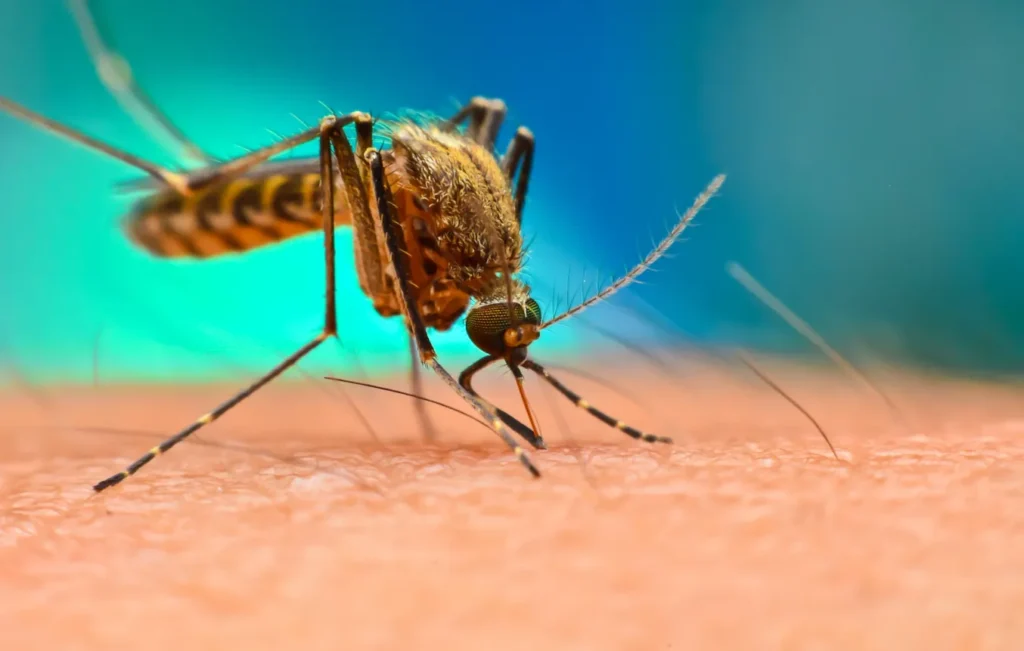
Although malaria-causing mosquitoes are seen as a nuisance and health threat, they play a role in the ecosystem. As pollinators, they contribute to the reproductive processes of many plants. Additionally, they serve as a food source for a variety of organisms, including fish, frogs, and birds. While the parasite Plasmodium is harmful to humans, it is part of a larger ecological web that impacts various species within the environment.
What to Do to Protect Them in Nature and Save the System for the Future
- Reduce Mosquito Breeding Sites: Eliminate stagnant water where mosquitoes lay eggs.
- Use Mosquito Nets and Repellents: Protect humans from bites by using bed nets and insect repellents.
- Research and Education: Increase public awareness about the prevention and treatment of malaria.
- Support Malaria Eradication Programs: Contribute to organizations working to eradicate malaria.
- Use Insecticide-treated Nets: Insecticide-treated nets have proven effective at significantly reducing malaria incidence.
Frequently Asked Questions (FAQs)
- What is malaria, and how is it transmitted?
- Malaria is a disease caused by the Plasmodium parasite, transmitted through the bite of an infected Anopheles mosquito.
- What are the symptoms of malaria?
- The common symptoms include fever, chills, fatigue, and sweating.
- How can I prevent malaria?
- Use insect repellent, sleep under mosquito nets, and take preventive medications if traveling to areas with malaria.
- Can malaria be cured?
- Yes, malaria is treatable with antimalarial drugs.
- Why is malaria more common in tropical regions?
- Malaria is prevalent in tropical areas because the climate is ideal for the Anopheles mosquito to breed and spread the parasite.
- Is there a vaccine for malaria?
- A malaria vaccine (RTS, S) is currently being used in some countries.
- How long does the malaria life cycle last?
- The cycle can last from 7 to 30 days, depending on the Plasmodium species.
- What can be done to reduce the spread of malaria?
- Mosquito control measures, such as spraying insecticides and reducing standing water, are effective in preventing malaria transmission.
Conclusion
Malaria remains one of the most challenging global health issues, but with ongoing research, education, and effective prevention strategies, its spread can be controlled. The life cycle of malaria, from the mosquito to the human host, highlights the complexity of the disease, but also the opportunities for eradication.
By working together globally to eliminate mosquito breeding grounds, increase public awareness, and support malaria research, we can reduce the devastating effects of this disease.
Also Read: mosquito life cycle
About the Author