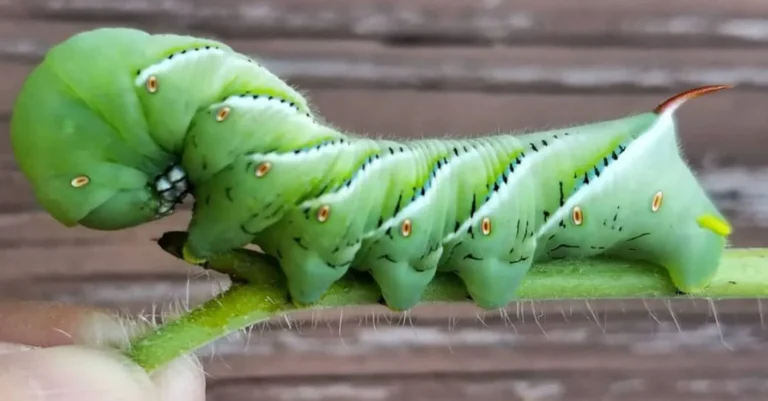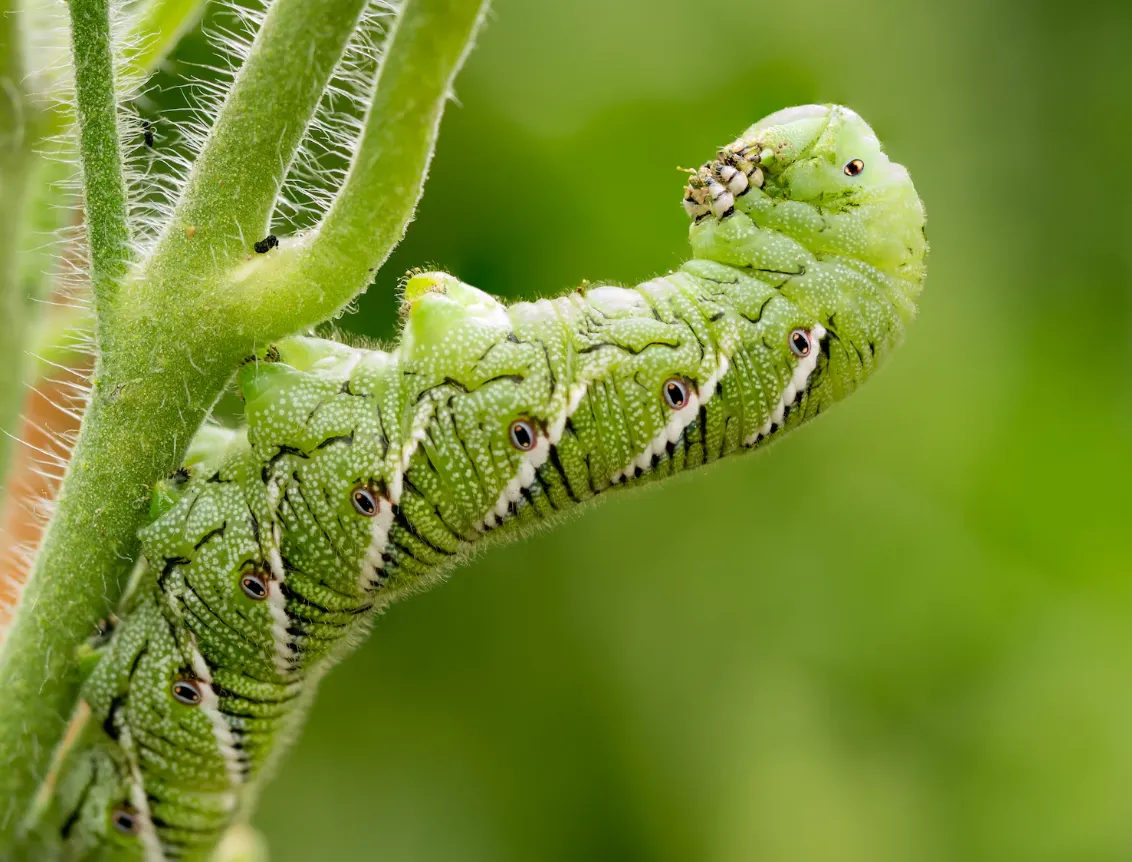
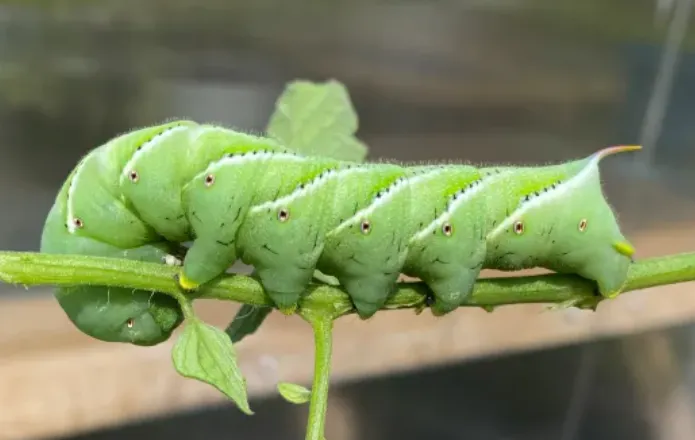
The Horned Tomato Worm, scientifically known as Manduca quinquemaculata, is one of the most infamous garden pests, especially on tomato plants. These green-horned tomato worms are not only a threat to crops but also a fascinating species with a unique life cycle and evolutionary history. Despite their destructive feeding habits, they play an important role in the ecosystem and are a part of the intricate web of life.
In this comprehensive guide, we will explore the life cycle of horned tomato worms, examine their evolutionary origins, and explain how they affect plant life and the food chain. We’ll also delve into their reproductive habits, feeding behaviors, and survival strategies in nature. By the end of this article, you’ll gain a better understanding of how these creatures fit into the larger ecological puzzle and how to manage them effectively in your garden.
Quick Answers to Common Questions About Horned Tomato Worms
- What do horned tomato worms eat?
- The larvae primarily feed on tomato plants but also enjoy other members of the nightshade family, such as eggplants and potatoes.
- Are horned tomato worms harmful to plants?
- Yes, they are highly destructive. Their feeding can quickly defoliate plants, leaving them vulnerable to diseases and inhibiting fruit production.
- How can I control horned tomato worms in my garden?
- You can handpick the worms, use natural predators like birds, or introduce parasitic wasps that target the larvae. Crop rotation is also an effective prevention method.
Quick Life Cycle Table
| Life Cycle Stage | Duration & Description |
| Egg | The female moth lays eggs on the underside of leaves, particularly on tomato plants, which hatch in about a week. |
| Larvae (Caterpillar) | The larvae feed voraciously on the plant material and grow rapidly, shedding their skin multiple times. |
| Pupa | The caterpillar burrows into the soil to pupate, remaining there for 2-3 weeks. |
| Adult Moth | After metamorphosis, the adult moth emerges and begins the cycle again, flying at night to lay eggs on plants. |
The History of Their Scientific Naming
The Horned Tomato Worm, with the scientific name Manduca quinquemaculata, was first described by entomologists in the 18th century. The genus Manduca derives from the Latin word “manducare,” meaning “to eat,” an apt description for these larvae, which consume vast quantities of plant material. The species name, quinquemaculata, refers to the five spots on the moth’s wings.
These insects have been extensively studied in agriculture because they are notorious for damaging tomato crops. The history of their scientific classification also highlights their nocturnal habits and their role as both pests and pollinators in the natural world. Over time, the focus on their management in agriculture has led to various methods of controlling their population, from biological control using parasitic wasps to the development of insect-resistant crops.
Their Evolution and Their Origin
The horned tomato worm belongs to the Sphingidae family, which includes hawk moths. These moths have evolved to thrive in environments where nightshade plants, such as tomatoes and eggplants, are abundant. Their ancestors likely fed on wild nightshades, but with the rise of agriculture and the cultivation of tomatoes, these worms found an abundant food source and spread widely.
The Manduca quinquemaculata has adapted to agricultural settings by becoming nocturnal to avoid predators and human intervention. Its strong wings allow it to travel long distances at night in search of mates and food sources. This evolutionary trait has helped the species thrive in areas where tomato cultivation is common.
Interestingly, the evolution of the horned tomato worm is also closely linked to the adaptation of tomatoes as a crop. As tomatoes became more widespread in gardens and farms, the worm adapted to these cultivated environments, leading to its current status as a pest affecting tomato plants.
Their Main Food and Its Collection Process
The horned tomato worm is primarily a vegetarian and feeds on nightshade plants, with a particular fondness for tomato plants. Here is a breakdown of their feeding process:
- Preferred Diet:
- The larvae feed on the leaves, flowers, and fruit of tomato plants. Occasionally, they may also consume the leaves of eggplants and peppers.
- Feeding Mechanism:
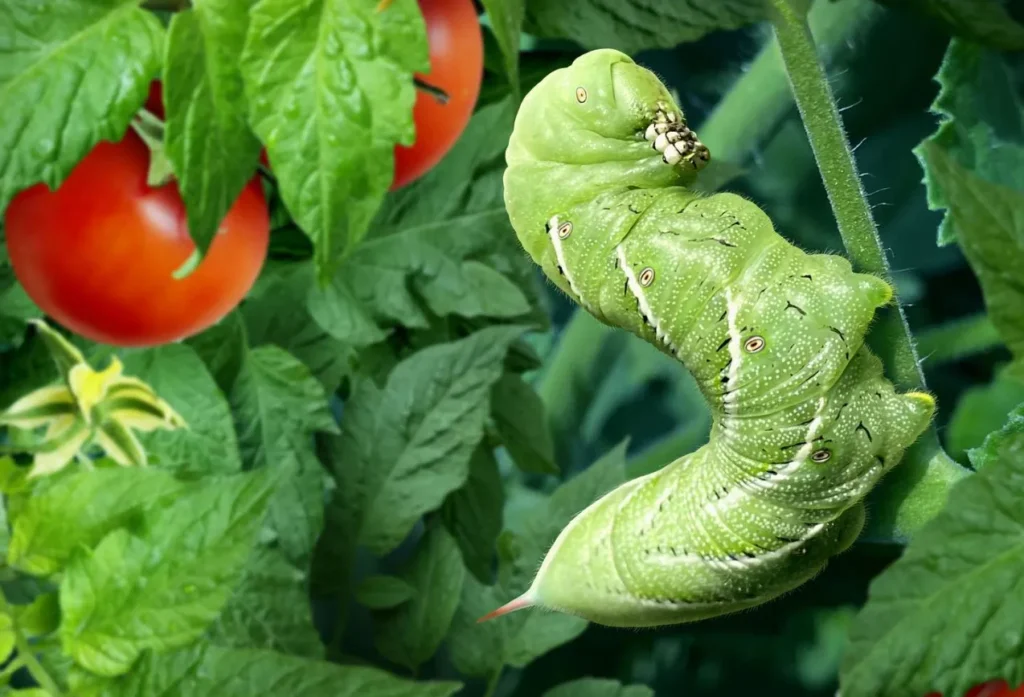
- The caterpillars use their strong mandibles to chew through plant tissues. This leads to large holes and significant damage to the plants. They often feed on the young leaves at the top of the plant, where new growth is most abundant.
- Feeding Duration:
- During their larval stage, they can consume several ounces of plant material each day. This feeding can continue for 3-4 weeks, until the caterpillars are ready to pupate.
- Impact on Plants:
- The continuous feeding causes the plant to lose its leaves and weaken. Without enough leaves, the plant cannot photosynthesize effectively, which stunts growth and reduces fruit yield.
Their Life Cycle and Ability to Survive in Nature
The horned tomato worm is well-adapted to survive in nature, thanks to its unique life cycle and survival strategies. Here’s a closer look at its stages:
Egg Stage
- Female moths lay their eggs on the undersides of leaves, often on tomato plants. These eggs hatch in about 5-7 days, depending on environmental conditions.
Larva (Caterpillar) Stage
- The hatched larvae begin feeding on the plant material, growing quickly as they shed their skin several times. This stage lasts around 3-4 weeks.
- The larvae often go unnoticed, blending in with the plant foliage due to their green color.
Pupa Stage
- After feeding, the larvae burrow into the soil and form a pupa. The pupation process lasts about 2-3 weeks, after which the adult moth emerges.
Adult Moth
- The adult moth emerges from the pupa and seeks out a mate to start the life cycle again. It typically flies at night and is attracted to the scent of tomatoes.
The ability of the horned tomato worm to survive through its various stages, especially in the pupa stage, helps it endure unfavorable conditions like cold weather or lack of food.
Their Reproductive Process and Raising Their Children
The reproductive process of the horned tomato worm is simple but efficient. Here’s how it works:
- Mating:
- After emerging from the pupa, male moths use their pheromones to attract females. Mating occurs at night when the moths are most active.
- Egg Laying:
- The female moth lays her eggs on the underside of leaves, particularly on the tops of tomato plants. The eggs are small and round, and they hatch after about a week.
- Egg Development:
- The female lays multiple eggs, often in clusters, ensuring the next generation of caterpillars has enough to feed on once they hatch.
- Larvae Growth:
- The larvae feed on the plants, growing rapidly and undergoing several molts before they are ready to pupate.
- Pupation:
- After feeding, the larvae burrow into the soil to form a chrysalis and undergo metamorphosis into an adult moth.
Importance of Them in This Ecosystem
Despite their reputation as pests, horned tomato worms play an essential role in the ecosystem:
Pollination
Adult moths are important pollinators, especially for night-blooming flowers in the nightshade family. They visit plants in search of nectar, inadvertently transferring pollen from one plant to another.
Food Source
Horned tomato worms serve as a food source for several predators, including birds, lizards, and small mammals. These predators help maintain a balanced food web.
Soil Aeration
When larvae burrow into the soil, they help aerate it, promoting better root growth and soil health. This process can also facilitate nutrient cycling.
What to Do to Protect Them in Nature and Save the System for the Future
Protecting the horned tomato worm while managing its population is crucial for sustaining ecological balance. Here’s what you can do:
- Use Natural Predators: Encourage the presence of natural predators, such as birds and parasitic wasps, that help control worm populations.
- Limit Pesticide Use: Avoid using harmful chemicals that kill not only the worms but also other beneficial insects.
- Practice Crop Rotation: This reduces the chances of worms accumulating in a single location year after year.
- Create Habitat for Beneficial Insects: By fostering environments for ladybugs and wasps, you can keep horned tomato worms in check.
Frequently Asked Questions (FAQs)
- What do horned tomato worms feed on?
- They primarily feed on tomato plants, but will also eat eggplant and peppers.
- Are horned tomato worms harmful to plants?
- Yes, they can defoliate plants, leaving them vulnerable to diseases and pests.
- How can I get rid of horned tomato worms naturally?
- Handpicking worms, using parasitic wasps, or introducing natural predators, such as birds, can help control their population.
- What is the lifespan of a horned tomato worm?
- The larval stage lasts about 3-4 weeks, and the adult moth can live up to several weeks.
- Do horned tomato worms sting?
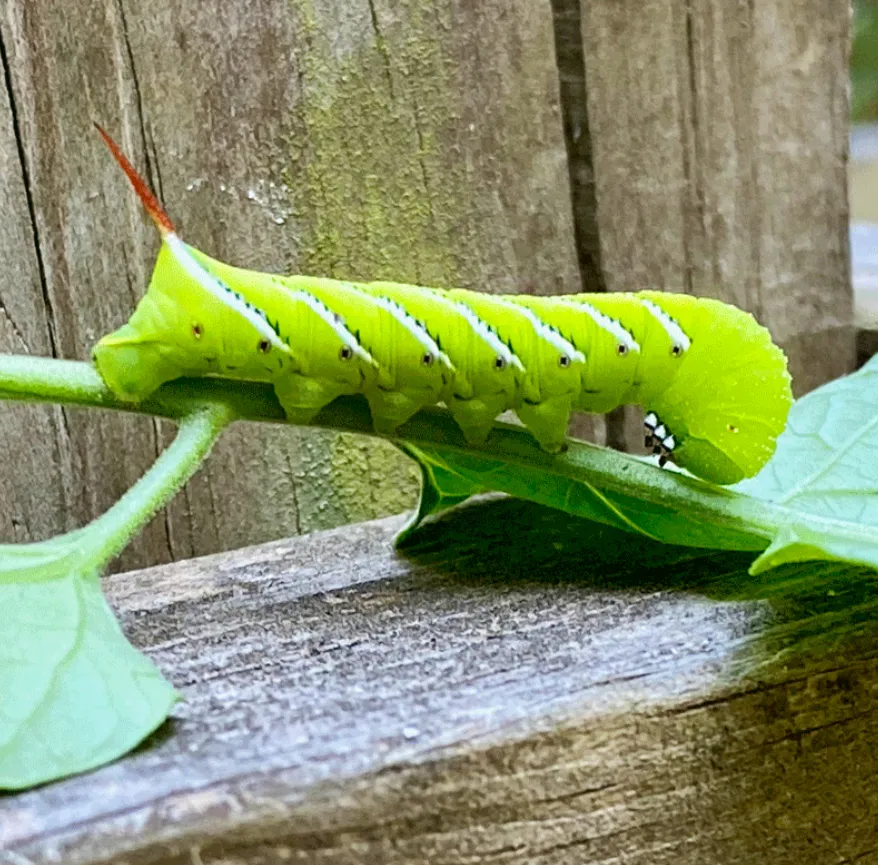
- No, horned tomato worms do not sting. The “horn” is purely a defensive structure.
- Can horned tomato worms harm other crops?
- They are primarily harmful to tomato plants, though they can also affect other nightshades, such as peppers and eggplants.
- Do horned tomato worms turn into moths?
- Yes, after pupation, horned tomato worms become moths, completing their life cycle.
- What are the natural enemies of horned tomato worms?
- Parasitic wasps and birds are common predators that help manage horned tomato worm populations.
Conclusion
The horned tomato worm may be seen as a nuisance by many gardeners, but it serves a unique role in nature. Understanding its life cycle, feeding habits, and ecological importance can help balance pest management with environmental preservation. By protecting these fascinating creatures, we can ensure the future of both our crops and the delicate ecosystems they are part of.
Also Read: carpet beetle life cycle
About the Author