Stink bugs, scientifically fascinating and agriculturally significant, have become a common concern for gardeners, farmers, and homeowners. Their life cycle and behavior are vital to understanding how to manage their presence effectively. Many people often ask:
1. What is the life cycle of a stink bug?
A stink bug undergoes a complete metamorphosis: from eggs to nymph stages, and finally into adults. The process typically spans a few weeks, depending on environmental conditions.
2. How long do stink bugs live?
On average, a stink bug lives for 2–3 months in the wild. However, some species, like the green stink bug, can survive longer under favorable conditions.
3. Can stink bugs bite humans?
Stink bugs rarely bite humans. While a bite can occur if provoked, it is generally harmless but may cause minor irritation.
Understanding the stink bug life cycle helps control their population, prevent crop damage, and appreciate their ecological role. This guide explores everything from their scientific naming to their evolutionary origin, reproductive habits, and ecological significance.
Quick Life Cycle Table
| Stage | Duration | Description |
| Egg | 4–7 days | Laid in clusters on leaves; oval-shaped and often green or yellow. |
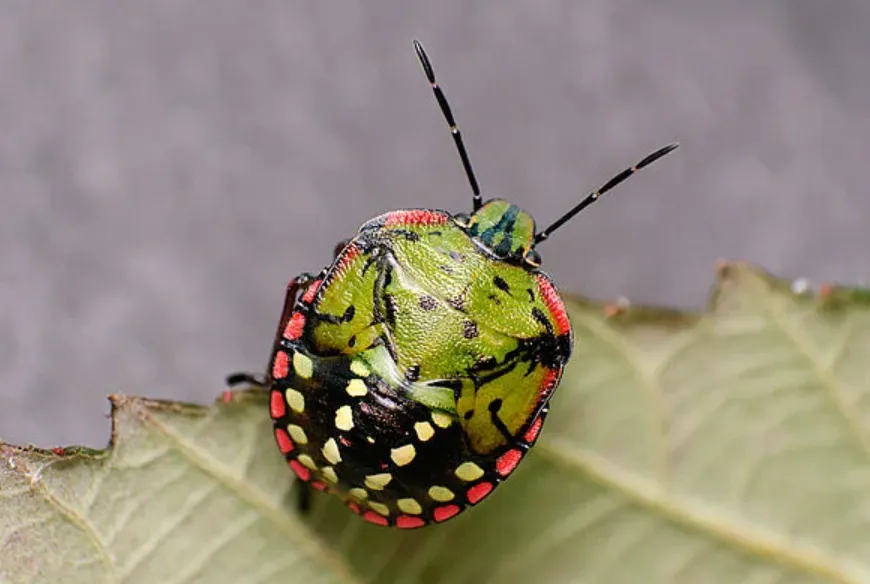
| Nymph (1st Instar) | 1 week | Tiny, wingless, and pale-colored, it begins feeding on plant sap. |
| Nymph (2nd–5th Instar) | 2–4 weeks | Gradual growth with color changes; develops adult-like markings and structures. |
| Adult | 2–3 months | Fully developed wings; capable of reproduction and dispersal. |
This table provides a quick overview of the stink bug life cycle, helping gardeners, farmers, and pest management experts plan effective strategies.
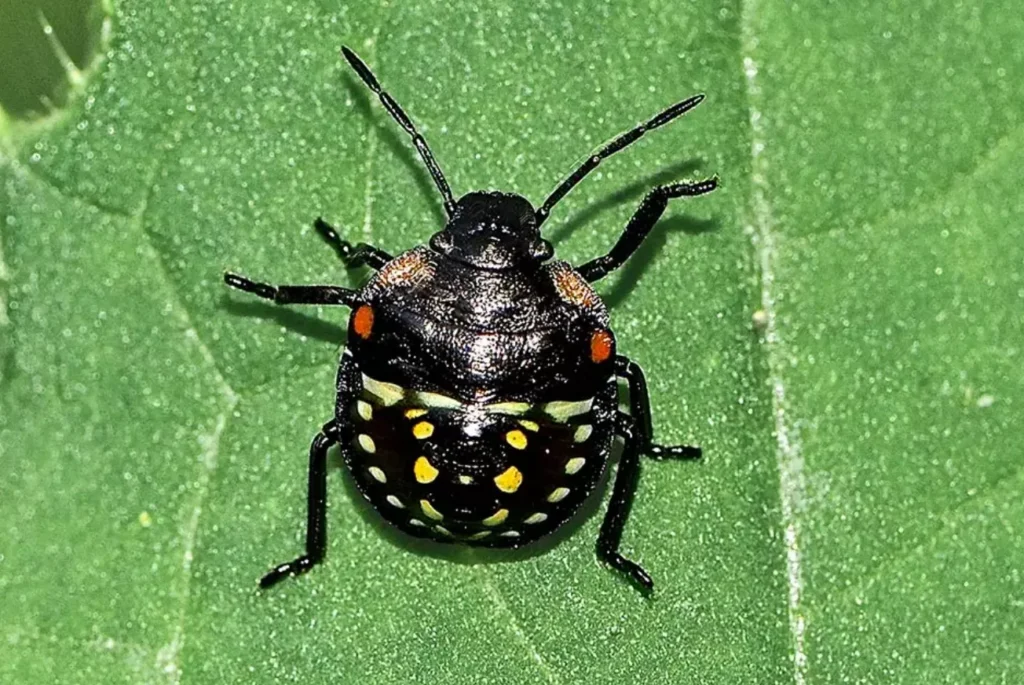
The History Of Their Scientific Naming
The family Pentatomidae, commonly known as stink bugs, derives its name from Greek roots: “penta” meaning five, and “tomos” meaning section, referring to the five-segmented antennae of most species.
Key points in their scientific naming history:
- First Classification: Linnaeus classified the initial species in the 18th century.
- Genus and Species: Stink bugs were divided into genera like Halyomorpha, Nezara, and Chinavia.
- Green Stink Bug (Chinavia hilaris): Named for its green color and prevalence in North America.
- Brown Marmorated Stink Bug (Halyomorpha halys): Introduced in the USA from Asia, known for its nuisance behavior.
The naming emphasizes anatomical traits, ecological behavior, and geographical origins, which help entomologists distinguish between species and study their environmental impact.
Their Evolution And Their Origin
Stink bugs belong to the order Hemiptera, commonly called true bugs. Fossil records suggest that stink bugs appeared over 200 million years ago during the Triassic period, indicating their remarkable adaptability and evolutionary success.
Originally, stink bugs evolved in Asia and spread to North America and Europe through natural migration and human-mediated transport. Over the centuries, they have adapted to diverse climates, from temperate forests to agricultural lands, demonstrating resilience across habitats.
Several evolutionary traits have contributed to their survival:
- Chemical Defense: They emit a pungent odor to deter predators, a trait that evolved to increase survival chances.
- Polyphagous Diet: Their ability to feed on multiple plant species allows them to thrive in different ecosystems.
- Reproductive Strategy: Laying clusters of eggs increases offspring survival.
Over time, different species, such as the green stink bug and the brown marmorated stink bug, developed unique behavioral and physical adaptations, making them efficient at both survival and reproduction. This evolutionary versatility explains why stink bugs are found worldwide and often become invasive pests outside their native habitats.
Their Main Food and Its Collection Process
Stink bugs are primarily herbivorous, feeding on plant sap, fruits, and seeds. Their main food sources include:
- Fruits: Apples, peaches, and tomatoes are particularly attractive.
- Vegetables: Corn, beans, and peppers often suffer from feeding damage.
- Seeds: Some species feed on grains and legumes.
The collection process involves piercing plant tissue using their specialized mouthparts (rostrum). Key steps include:
- Locating a Plant: Stink bugs use chemical cues to identify suitable plants.
- Piercing Plant Cells: They inject digestive enzymes to liquefy plant tissue.
- Sucking Sap: They consume the nutrient-rich liquid through their proboscis.
- Dispersal: After feeding, they move to another plant to continue the process.
Their feeding behavior often damages crops, resulting in deformed fruits, reduced yields, and, in some cases, the transmission of plant pathogens. Understanding their feeding behavior is essential for farmers and gardeners aiming to implement stink bug traps or repellents effectively.
Their Life Cycle and Ability to Survive in Nature
Stages of Life and Survival Strategies
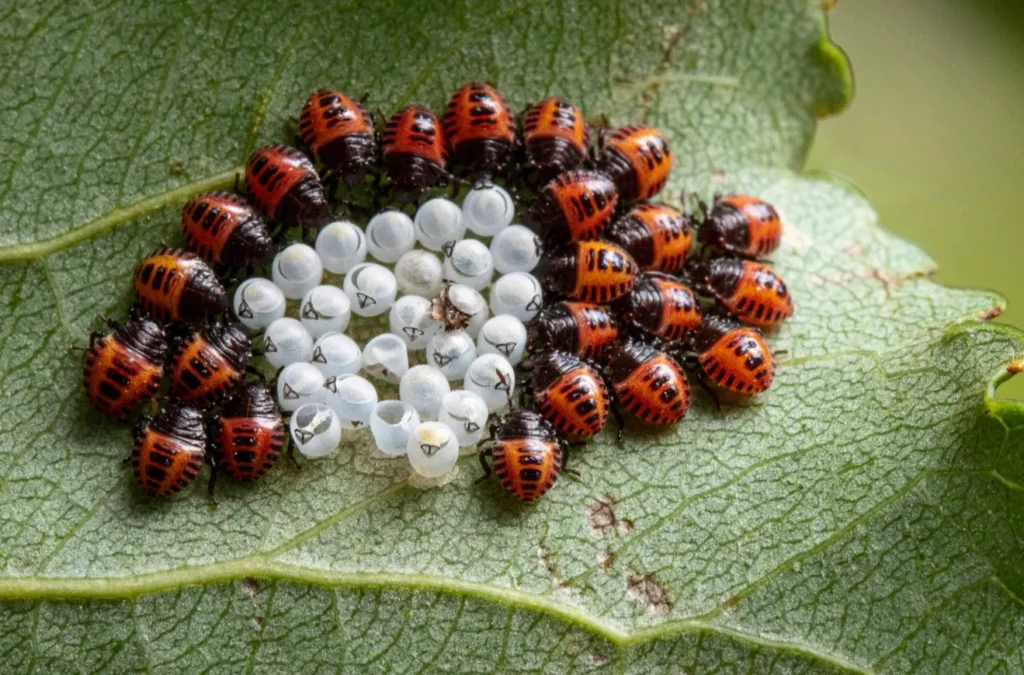
Stink bugs exhibit a fascinating life cycle that enables them to survive in natural conditions. They start as eggs, typically laid in clusters on leaves to protect from predators. After hatching, the nymph stages progress through five instars, gradually developing wings, colors, and defensive mechanisms.
Key survival strategies include:
- Chemical Defense: Emission of a strong odor deters predators.
- Seasonal Behavior: Many species enter diapause in winter, hiding under tree bark or leaf litter.
- Diet Flexibility: The ability to feed on a variety of plants ensures year-round food availability.
Adult stink bugs are highly mobile, using their wings to migrate when resources are scarce. This combination of chemical, behavioral, and dietary adaptations allows them to maintain stable populations despite predation and environmental pressures.
Their Reproductive Process and Raising Their Children
Stink bugs reproduce sexually, with distinct male and female roles. Key points in their reproductive behavior:
- Mating: Adults perform chemical signaling (pheromones) to attract partners.
- Egg Laying: Females lay clusters of 20–30 eggs on leaf surfaces, often choosing protected areas.
- Nymph Development: Hatchlings, called nymphs, go through five instars before reaching adulthood.
- Parental Influence: Although stink bugs do not provide direct care, choosing optimal egg-laying sites ensures offspring survival.
- Rapid Reproduction: Multiple generations can occur in a single growing season, especially in warm climates.
This efficient reproductive cycle enables them to become pests quickly and to maintain ecological roles in native habitats.
Importance of Them in This Ecosystem
H3: Ecological Significance
While often considered pests, stink bugs play a crucial role in ecosystems:
- Predator-Prey Balance: Serve as prey for birds, spiders, and parasitic wasps.
- Seed Dispersal: By feeding on seeds, they help disperse some plant species.
- Pest Control Role: Certain predatory stink bug species help control agricultural pests.
- Nutrient Cycling: Feeding activity accelerates the breakdown of plant tissues, enriching soil nutrients.
Their presence reflects the health of ecosystems and maintains ecological balance, highlighting why blanket extermination can negatively impact biodiversity.
Important Things That You Need To Know
Stink bugs, including the green stink bug, require careful management to prevent crop damage while respecting their ecological role. Key facts include:
- Stink Bug Eggs: Identifying eggs on leaves helps in early pest management.
- Stink Bug Exterminator Tools: Use traps, natural predators, or minimal chemical repellents.
- Stink Bug Bite: Rarely harmful to humans but can irritate skin.
- Stink Bug Repellent: Natural oils and pheromone-based traps reduce stink bug populations.
- Stink Bug Trap: Pheromone traps attract and capture bugs efficiently without harming other insects.
These practices ensure sustainable control while protecting the environment. Integrating multiple strategies reduces dependency on pesticides and supports healthy crop production.
What to Do to Protect Them in Nature and Save the System for the Future
- Preserve Natural Habitats: Avoid clearing trees and shrubs that serve as winter shelters.
- Limit Pesticide Use: Use targeted pest control rather than blanket spraying.
- Encourage Predators: Birds, spiders, and wasps naturally control stink bug populations.
- Monitor Populations: Early detection of eggs or nymphs helps maintain ecological balance.
- Educate Farmers and Gardeners: Awareness of beneficial and harmful species supports conservation.
- Plant Diversity: Maintain multiple plant types to provide alternative food sources.
- Avoid Invasive Introductions: Prevent the spread of non-native stink bug species.
These measures safeguard stink bugs’ ecological functions while protecting crops and human activities.
Frequently Asked Questions (FAQs)
- How long is a stink bug’s life cycle?
- Typically, 5–6 weeks from egg to adult, depending on species and environmental conditions.
- Do stink bugs bite humans?
- Rarely, bites are minor and generally harmless.
- What do green stink bugs eat?
- They feed on fruits, vegetables, and seeds using their piercing-sucking mouthparts.
- Can stink bugs damage crops?
- Yes, their feeding deforms fruits and reduces yield.
- How do you get rid of stink bugs?
- Use traps, repellents, natural predators, or limited pesticides.
- What do stink bug eggs look like?
- Oval, clustered, usually green or yellow, laid on leaf undersides.
- Do stink bugs have natural predators?
- Yes, including birds, spiders, and parasitic wasps.
- What is the best way to repel stink bugs?
- Pheromone traps and essential oil-based repellents are effective.
Conclusion
Understanding the stink bug life cycle is essential for gardeners, farmers, and nature enthusiasts alike. From eggs to nymphs and adults, their growth process, feeding behavior, and reproductive habits showcase remarkable adaptation. While often considered pests, stink bugs play critical roles in ecosystems, including predator-prey balance, nutrient cycling, and even seed dispersal.
Sustainable management strategies, such as natural repellents, traps, and habitat preservation, allow humans to coexist with these insects while minimizing crop damage. By recognizing their ecological importance and implementing informed control measures, we can maintain biodiversity and ensure environmental stability. The more we understand stink bugs, the better we can protect both our crops and the natural systems that support them.
Also Read: angiosperm life cycle
About the Author