The Salamander life cycle is one of the most fascinating biological processes in the animal kingdom. Salamanders are amphibians known for their smooth skin, elongated bodies, and extraordinary regenerative abilities. Found across North America, Europe, Asia, and parts of Africa, these creatures thrive in moist environments such as forests, wetlands, and streams.
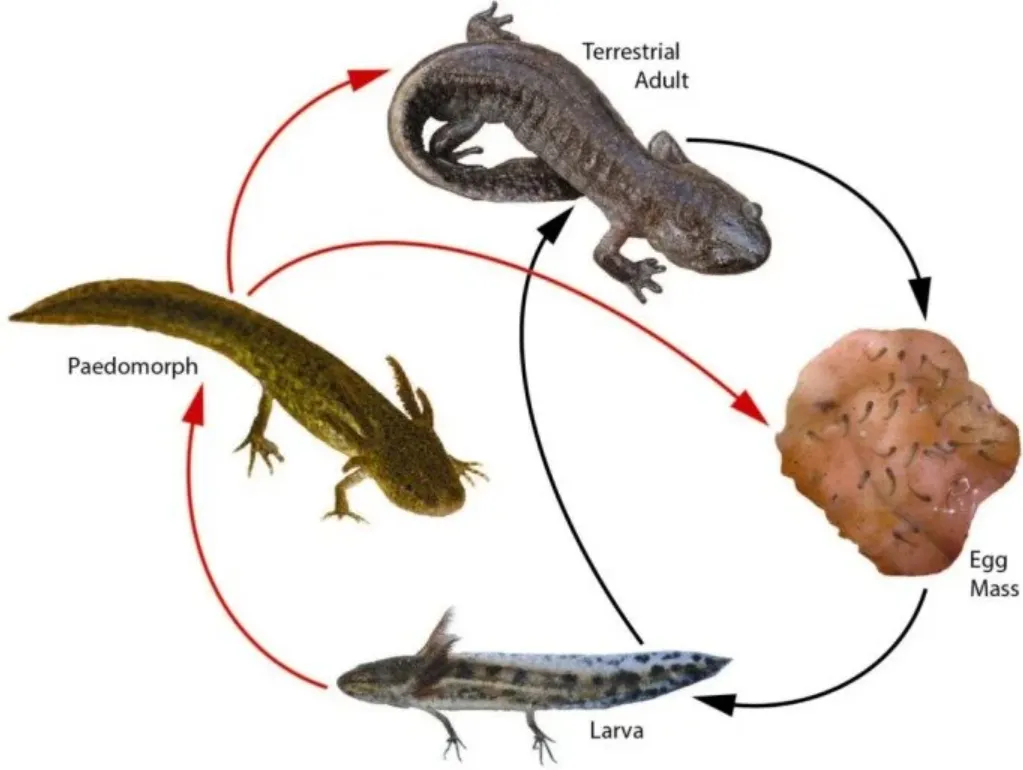
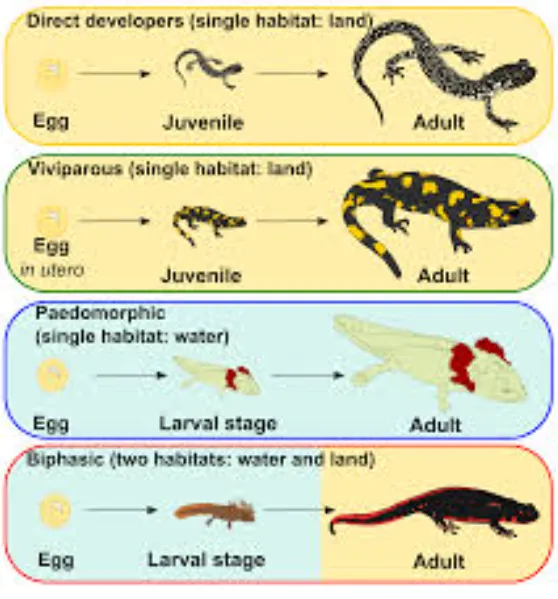
Unlike many other amphibians, salamanders exhibit a wide range of life cycle patterns. Some species undergo complete metamorphosis, while others retain larval traits throughout adulthood—a phenomenon known as neoteny. This diversity makes salamanders particularly interesting for scientists studying evolution, ecology, and regeneration.
In 2026, salamanders remain a subject of intense research due to their ability to regrow limbs, spinal cords, and even parts of their hearts. This has sparked innovations in regenerative medicine and biotechnology. Species like the tiger salamander and spotted salamander are commonly studied, while rare species such as the Chinese giant salamander are critically endangered and require conservation efforts.
Understanding the salamander life cycle helps us appreciate their role in ecosystems. From eggs laid in water or moist soil to larvae and eventually adults, each stage plays a critical role in maintaining ecological balance.
This article explores everything you need to know—from their origin and evolution to reproduction, survival strategies, and ecological importance—making it a complete and SEO-optimized guide for readers and researchers alike.
Their Evolution And Their Origin
Salamanders belong to the order Caudata (or Urodela), which dates back over 160 million years to the Jurassic period. Fossil evidence suggests that early salamander-like amphibians evolved from ancient tetrapods, marking a crucial transition from aquatic to terrestrial life.
These early amphibians adapted to both water and land environments, developing lungs and limbs while retaining the ability to breathe through their skin. Over time, salamanders diversified into more than 700 species worldwide.
Key Evolutionary Milestones
- Jurassic Origins: Fossils discovered in China indicate that salamanders existed alongside dinosaurs. These early forms already showed traits like elongated bodies and tails.
- Adaptation to Moist Habitats: Salamanders evolved permeable skin, allowing them to absorb oxygen and moisture directly. This adaptation made them highly dependent on humid environments.
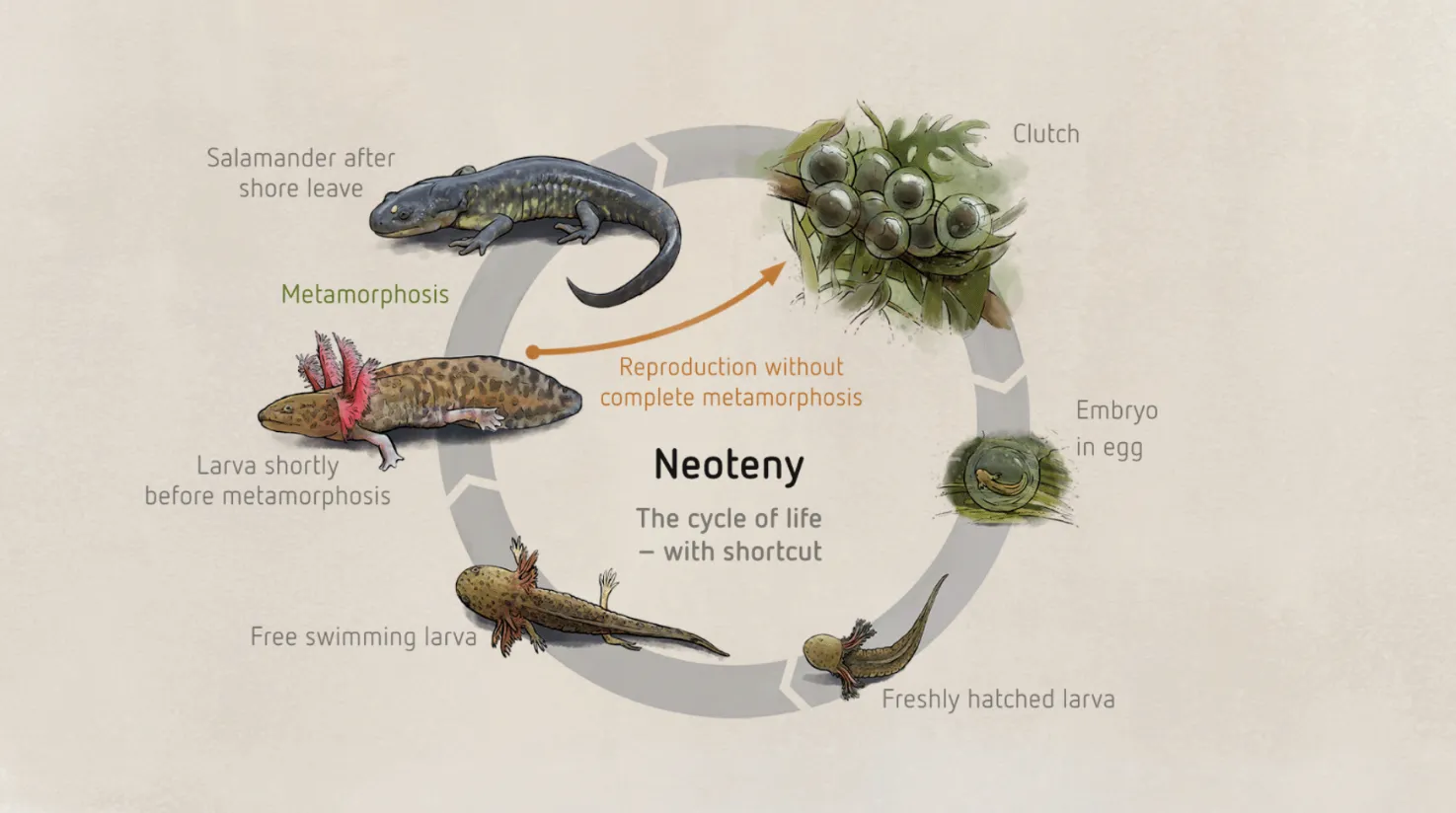
- Neoteny Development: Some species, such as the axolotl, have evolved the ability to retain larval features into adulthood. This evolutionary strategy allows them to remain aquatic and reproduce without metamorphosis.
- Regenerative Evolution: Salamanders developed unparalleled regenerative abilities. Scientists believe this evolved as a survival mechanism against predators and injuries.
- Global Diversification: Over millions of years, salamanders spread across continents, adapting to various climates—from cold mountain streams to tropical forests.
Modern Evolutionary Significance (2026)
Today, salamanders are considered a key model organism in evolutionary biology. Their genetic structure provides insights into:
- Limb regeneration
- Developmental biology
- Climate adaptation
The Chinese giant salamander, one of the largest amphibians in the world, represents an ancient lineage that has remained relatively unchanged for millions of years.
In contrast, species such as the fire salamander exhibit more advanced adaptations to terrestrial life. This diversity highlights the evolutionary success of salamanders and their ability to adapt over time.
The History of Their Scientific Naming
The scientific Classification of salamanders has evolved significantly over time. Early naturalists often misunderstood these creatures due to their secretive nature and unique features.
Key Points in Scientific Naming
- Early Classification (18th Century):
- Carl Linnaeus initially grouped salamanders with reptiles due to their lizard-like appearance.
- Order Caudata Established:
- Scientists later recognized salamanders as amphibians and placed them in the order Caudata, meaning “tailed amphibians.”
- Family-Level Classification:
- Salamanders are divided into multiple families, such as:
- Salamandridae (true salamanders)
- Ambystomatidae (mole salamanders, including tiger salamanders)
- Cryptobranchidae (giant salamanders)
- Species Naming:
- Scientific names often reflect physical traits or geographic origins. For example:
- Ambystoma tigrinum (tiger salamander)
- Andrias davidianus (Chinese giant salamander)
- Modern Taxonomy (2026):
- DNA sequencing has refined Classification, revealing hidden species and evolutionary relationships.
- Reclassification Trends:
- Some species have been reclassified based on genetic studies, thereby improving the accuracy of conservation efforts.
Scientific naming is essential for research, conservation, and global communication. It ensures that scientists worldwide can accurately identify and study salamander species.
Their life cycle and ability to survive in nature
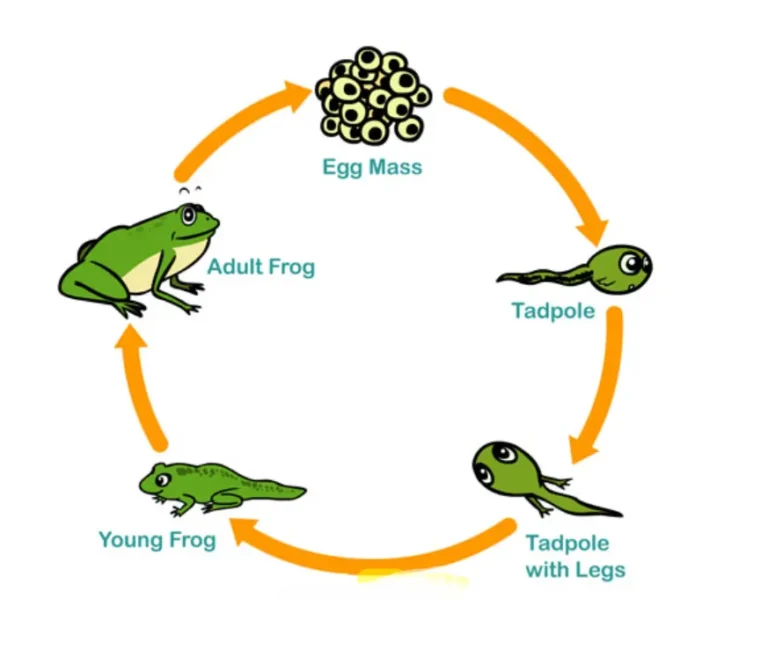
The salamander life cycle typically consists of four main stages: egg, larva, juvenile, and adult. However, variations exist depending on species and environmental conditions.
Life Cycle Stages
- Egg Stage:
- Salamanders lay eggs in water or moist soil. These eggs are often gelatinous and lack a hard shell.
- Larval Stage:
- Once hatched, larvae resemble small fish with external gills. They are fully aquatic and feed on small organisms.
- Metamorphosis:
- During this stage, larvae develop lungs, lose gills, and adapt to life on land.
- Adult Stage:
- Some adults live on land and others in water, depending on the species.
Survival Abilities
- Regeneration:
- Salamanders can regrow limbs, tails, and even organs, making them unique among vertebrates.
- Camouflage:
- Their coloration helps them blend into their environment, avoiding predators.
- Moisture Dependence:
- Their skin must remain moist for respiration, making them sensitive to environmental changes.
- Nocturnal Behavior:
- Many salamanders are active at night, reducing their exposure to predators and the risk of dehydration.
- Cold Adaptation:
- Some species can survive freezing temperatures by producing antifreeze-like compounds.
These adaptations make salamanders highly resilient, although they remain vulnerable to habitat destruction and climate change.
Important Things That You Need To Know
Salamanders are incredibly diverse, and several species and related concepts stand out in research and ecology.
Highlighted LSI Keywords
- salamander
- tiger salamander
- Chinese giant salamander
- fire salamander
- spotted salamander
Key Insights
The tiger salamander is one of the most widespread species in North America. Known for its striking yellow-and-black patterns, it adapts well to a wide range of environments.
The Chinese giant salamander is the largest amphibian on Earth, growing over 5 feet long. Unfortunately, it is critically endangered due to habitat loss and illegal wildlife trade.
The fire salamander is famous for its bright coloration, which warns predators of its toxicity. This species is commonly found in Europe.
The spotted salamander plays a unique ecological role by forming a symbiotic relationship with algae inside its eggs, providing oxygen and nutrients.
Additionally, salamanders are studied for their regenerative abilities, which have inspired advancements in medical science. Even industrial tools like the “salamander heater” are named after them due to their association with fire and resilience.
Their Reproductive Process and raising their children
Salamanders exhibit diverse reproductive strategies, depending on their species and habitat.
Reproductive Process
- Courtship Behavior:
- Salamanders perform intricate mating dances, often involving pheromones.
- Internal Fertilization:
- Most species use spermatophores—packets of sperm deposited by males.
- Egg Laying:
- Females lay eggs in water or damp environments.
Raising Their Young
- Minimal Parental Care:
- Many species leave eggs unattended.
- Protective Behavior:
- Some salamanders guard their eggs from predators.
- Aquatic Development:
- Larvae grow in water, feeding on small prey.
- Metamorphosis Support:
- Environmental conditions play a key role in development.
- Neotenic Species:
- Some species skip metamorphosis and remain aquatic.
This reproductive diversity ensures the survival of salamanders across various ecosystems.
Importance of them in Ecosystem
Salamanders play a crucial role in maintaining ecological balance.
Key Contributions
- Pest Control:
- They consume insects, reducing pest populations.
- Food Chain Role:
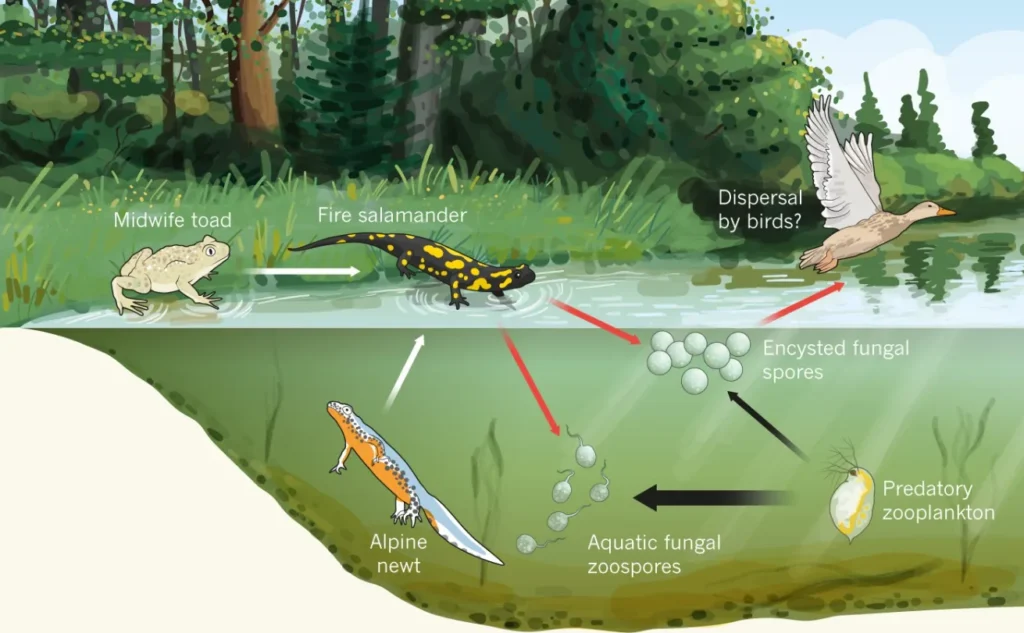
- Salamanders serve as prey for birds, mammals, and reptiles.
- Nutrient Cycling:
- They help decompose organic matter, enriching soil.
- Indicator Species:
- Their sensitivity to environmental changes makes them excellent indicators of ecosystem health.
- Biodiversity Support:
- Salamanders contribute to the diversity of amphibian species.
Their presence reflects a healthy ecosystem, making their conservation essential.
What to do to protect them in nature and save the system for the future
Protecting salamanders is critical for preserving biodiversity and ecological balance.
Conservation Actions
- Protect Natural Habitats:
- Preserve forests, wetlands, and freshwater ecosystems.
- Reduce Pollution:
- Avoid chemical runoff that contaminates water sources.
- Support Conservation Programs:
- Donate to organizations working to protect endangered species.
- Limit Deforestation:
- Maintain natural habitats for salamanders.
- Promote Awareness:
- Educate communities about their ecological importance.
- Avoid Illegal Trade:
- Do not buy or sell endangered salamander species.
- Climate Action:
- Reduce carbon footprint to combat climate change.
- Research Support:
- Encourage scientific studies on salamander conservation.
By taking these steps, we can ensure the survival of salamanders for future generations.
Frequently Asked Questions (FAQs)
1. What is the salamander life cycle?
It includes egg, larva, metamorphosis, and adult stages.
2. Do all salamanders undergo metamorphosis?
No, some species remain in their larval form throughout life.
3. Why are salamanders important?
They help control pests and maintain ecological balance.
4. Can salamanders regenerate body parts?
Yes, they can regrow limbs, tails, and even organs.
5. Where do salamanders live?
They inhabit moist environments like forests and wetlands.
6. Are salamanders endangered?
Some species, like the Chinese giant salamander, are critically endangered.
7. What do salamanders eat?
They feed on insects, worms, and small aquatic organisms.
8. How long do salamanders live?
Their lifespans range from 5 to over 20 years, depending on the species.
Conclusion
The salamander life cycle is a remarkable example of nature’s complexity and adaptability. From their ancient origins to their modern ecological roles, salamanders have proven to be resilient and essential components of biodiversity.
Their unique ability to regenerate body parts sets them apart from other vertebrates, making them invaluable in scientific research. Species like the tiger salamander and fire salamander demonstrate the incredible diversity within this group, while the Chinese giant salamander highlights the urgent need for conservation.
Understanding their life cycle—from eggs to adults—provides insight into how they survive and thrive in various environments. Each stage is crucial, not only for their survival but also for maintaining ecological balance.
However, salamanders face significant threats, including habitat destruction, pollution, and climate change. Protecting them requires collective effort, awareness, and sustainable practices.
By preserving their habitats and supporting conservation initiatives, we can ensure that these fascinating creatures continue to thrive. Salamanders are more than just amphibians—they are vital indicators of environmental health and symbols of nature’s resilience.
Also Read About: Roach Life Cycle
About the Author