The stink bug life cycle is a fascinating biological journey that highlights resilience, adaptability, and ecological importance. Stink bugs, belonging to the Pentatomidae family, are widely recognized for their shield-shaped bodies and their ability to release a strong odor as a defense mechanism. Among the most common species are the green stink bug and black stink bug, both of which play unique roles in ecosystems and agriculture.
Understanding their life cycle is essential for farmers, gardeners, and homeowners who often encounter these insects. From stink bug eggs to adulthood, each stage is carefully designed for survival. These insects undergo incomplete metamorphosis, meaning they develop gradually without a pupal stage.
Quick Answers (Most Common Questions)
1. How long is the stink bug’s life cycle?
The complete stink bug life cycle typically lasts 30–60 days, depending on temperature and species.
2. Where do stink bugs lay their eggs?
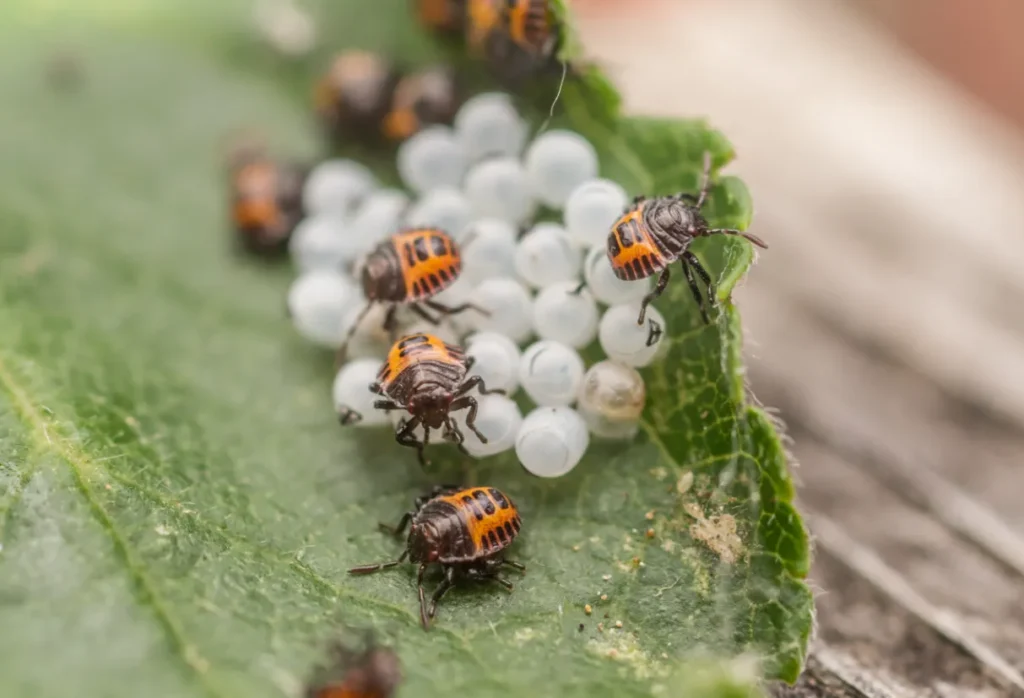
Stink bugs usually lay their eggs on the underside of leaves in clusters, ensuring protection from predators.
3. Do stink bugs bite humans?
A stink bug bite is rare and generally harmless, as these insects are not aggressive toward humans.
Quick Life Cycle Table
| Stage | Duration | Key Characteristics |
| Egg Stage | 4–7 days | Barrel-shaped eggs are laid in clusters under leaves |
| Nymph Stage (5 instars) | 2–5 weeks | Gradual growth, wing development begins |
| Adult Stage | Several months | Fully developed wings, reproductive capability |
| Overwintering | Winter months | Seek shelter indoors or in bark/crevices |
The History Of Their Scientific Naming
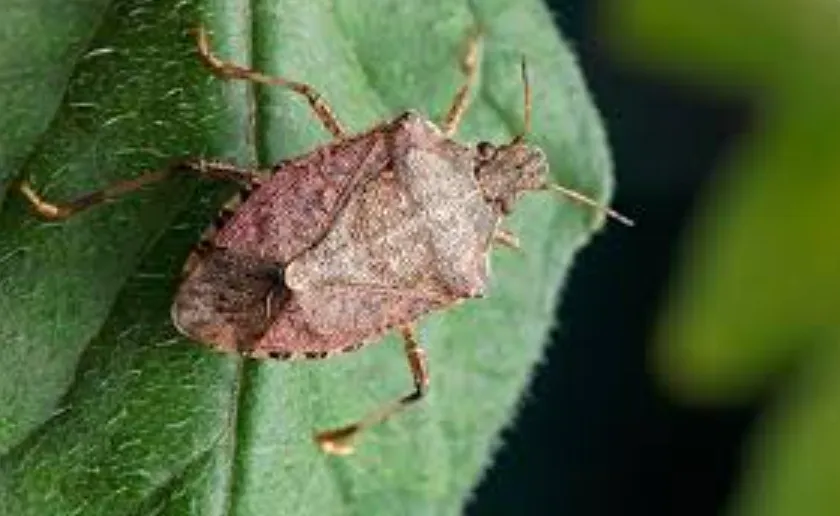
- Stink bugs belong to the family Pentatomidae, derived from the Greek word penta (five) and tomos (sections), referring to their five-segmented antennae.
- The term “stink bug” originates from their ability to emit a foul-smelling chemical as a defense mechanism against predators.
- Early classification dates back to the 18th century when entomologists began documenting shield bugs across Europe and Asia.
- The green stink bug (Chinavia hilaris) and the invasive brown marmorated stink bug (Halyomorpha halys) are among the most studied species.
- Scientific naming has evolved with advances in taxonomy, incorporating genetic analysis to distinguish closely related species, such as the black stink bug.
- Today, over 4,700 species are recognized globally, making Pentatomidae one of the most diverse insect families.
Their Evolution And Their Origin
Stink bugs have a long evolutionary history that dates back millions of years. Fossil evidence suggests that early ancestors of modern stink bugs existed during the Cretaceous period. Over time, they adapted to a wide variety of habitats, ranging from forests to agricultural fields.
Their evolution is closely tied to plant life. As flowering plants diversified, stink bugs developed specialized mouthparts known as piercing-sucking stylets. These allowed them to feed efficiently on plant sap, fruits, and seeds. This adaptation gave them a significant survival advantage.
The spread of stink bugs across continents occurred naturally through migration and later through human activities such as global trade. For example, the brown marmorated stink bug is native to East Asia but has spread to North America and Europe, becoming a major agricultural pest.
Natural selection has shaped their defensive mechanisms. The ability to emit foul odors helps deter predators such as birds and lizards. Additionally, their shield-like body structure provides physical protection.
Their adaptability is one of the key reasons they thrive in diverse environments. Whether in rural farmland or urban homes, stink bugs have evolved to survive and reproduce successfully, making them among the most resilient insect groups on Earth.
Their Main Food and Its Collection Process
Stink bugs are primarily herbivorous, although some species exhibit predatory behavior. Their feeding habits play a significant role in both agriculture and ecosystems.
- Primary Food Sources:
- They feed on fruits, vegetables, seeds, and plant sap. Common targets include tomatoes, soybeans, apples, and corn.
- Feeding Mechanism:
- Using their piercing mouthparts, stink bugs penetrate plant tissues and suck out nutrients. This process can damage crops and cause deformities.
- Selective Feeding:
- Different species prefer different plants. The green stink bug is often found on legumes, while others target fruits.
- Nocturnal Activity:
- Many stink bugs feed during cooler hours, reducing exposure to predators.
- Chemical Detection:
- They use sensory organs to locate food sources, detecting plant chemicals and moisture levels.
- Impact on Crops:
- Feeding can lead to discoloration, reduced yield, and economic losses for farmers.
Despite their reputation as pests, some stink bugs help control harmful insects, contributing to ecological balance.
Important Things That You Need To Know
Stink bugs are more than just garden pests. Understanding their behavior, control methods, and risks can help you manage them effectively.
Key Insights About Stink Bugs
The stink bug is known for its defensive odor, produced by specialized glands. This odor can linger and act as a warning signal to predators.
The stink bug eggs are often laid in neat clusters and are surprisingly symmetrical. These eggs are vulnerable to parasitic wasps, which help control stink bug populations naturally.
The green stink bug is one of the most common garden pests. While it damages crops, it is also part of the natural food chain.
A stink bug exterminator may be necessary when infestations become severe, especially in homes during the winter months.
Many people worry about a stink bug bite, but these insects rarely bite humans and pose minimal health risks.
Natural solutions like stink bug repellents and trap systems can effectively reduce their presence without harming the environment.
The black stink bug is less common but equally impactful in agricultural settings.
Understanding these aspects helps you manage stink bugs responsibly while maintaining ecological balance.
Their Life Cycle and Ability to Survive in Nature
Egg Stage
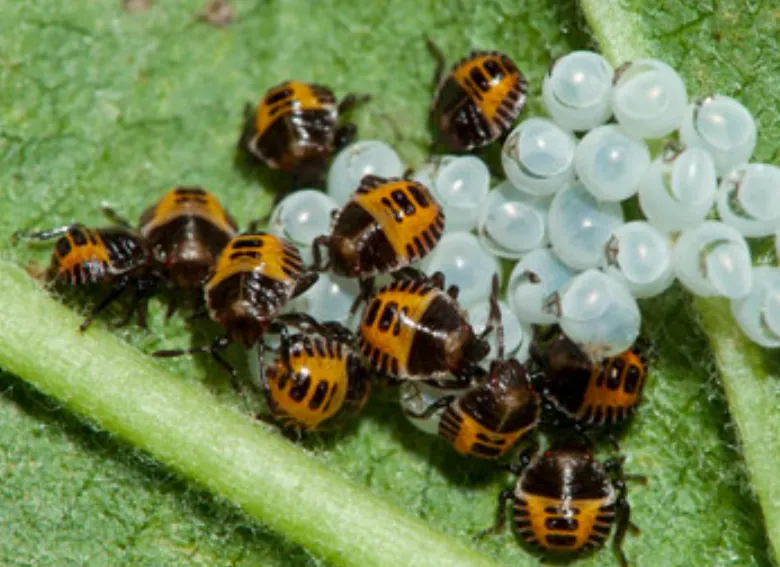
Female stink bugs lay clusters of eggs on the underside of leaves. These eggs hatch within a week, depending on environmental conditions.
Nymph Stage
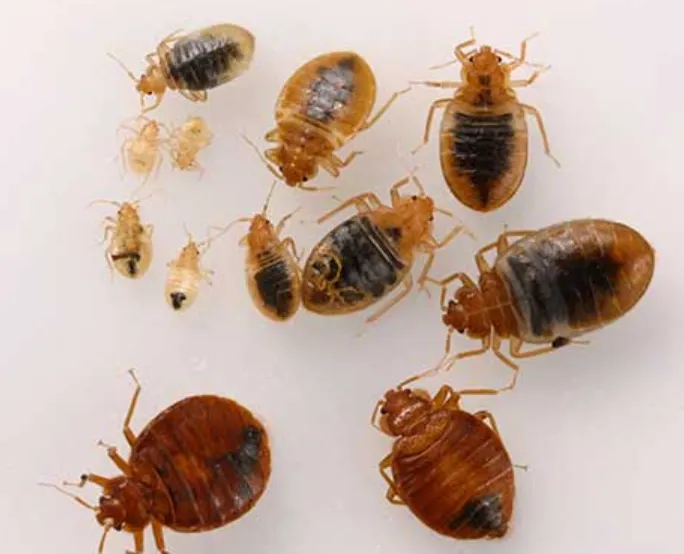
After hatching, stink bugs enter the nymph stage, which includes five developmental phases. During this time, they molt several times and gradually develop wings.
Adult Stage
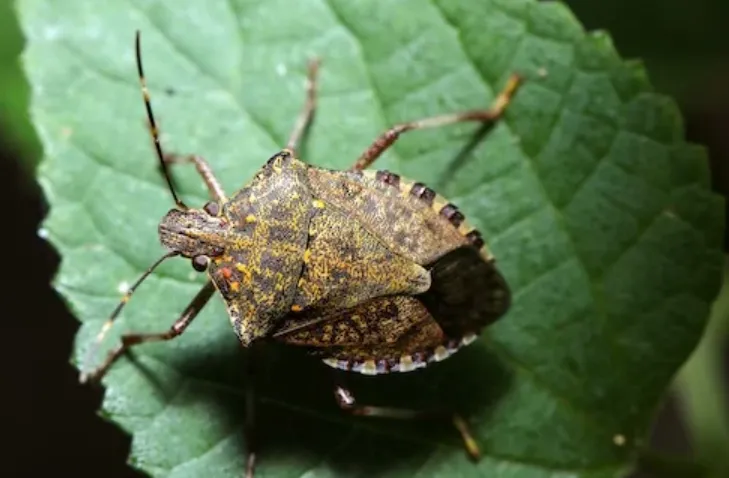
Adult stink bugs are fully formed and capable of reproduction. They are highly mobile and can fly to new locations in search of food and shelter.
Survival Strategies
Stink bugs are incredibly adaptable. They can survive harsh conditions by entering a state of dormancy during winter, often seeking shelter in homes or tree bark.
Their ability to reproduce quickly and adapt to different environments ensures their survival across various ecosystems.
Their Reproductive Process and Raising Their Children
- Mating Behavior:
- Stink bugs use chemical signals (pheromones) to attract mates.
- Egg Laying:
- Females lay 20–30 eggs at a time, often in clusters on plant leaves.
- Parental Care:
- Unlike some insects, stink bugs do not provide direct care to their offspring after laying eggs.
- Rapid Development:
- Eggs hatch quickly, and nymphs begin feeding immediately.
- Multiple Generations:
- In warm climates, stink bugs can produce several generations per year.
- Survival Rate:
- Many eggs do not survive predation, but high reproductive rates compensate for this loss.
This reproductive strategy ensures population stability even in challenging environments.
Importance of Them in this Ecosystem
Natural Pest Control
Some stink bug species prey on harmful insects, helping maintain ecological balance.
Food Source
They serve as food for birds, spiders, and other predators, supporting the food chain.
Pollination Contribution
While not primary pollinators, their movement between plants can aid in pollination.
Soil and Plant Interaction
Their feeding habits influence plant health and can indirectly affect soil nutrient cycles.
Biodiversity Indicator
The presence of stink bugs often indicates a healthy ecosystem with diverse plant life.
Despite their negative reputation, stink bugs play a vital role in maintaining ecological harmony.
What to Do to Protect Them in Nature and Save the System for the Future
- Promote natural predators, such as birds and beneficial insects.
- Avoid excessive pesticide use that harms beneficial species.
- Maintain plant diversity in gardens and farms.
- Use eco-friendly stink bug repellent methods instead of chemicals.
- Install stink bug trap systems to manage populations responsibly.
- Support organic farming practices.
- Educate communities about their ecological importance.
- Preserve natural habitats to ensure their survival.
By adopting sustainable practices, we can balance pest control with environmental conservation.
Frequently Asked Questions (FAQs)
1. What is the stink bug life cycle?
It includes egg, nymph, and adult stages, typically completed in 30–60 days.
2. How many eggs do stink bugs lay?
A female can lay 20–30 eggs per cluster and several clusters in her lifetime.
3. Are stink bugs harmful to humans?
No, they are mostly harmless and rarely bite.
4. What attracts stink bugs to homes?
They seek warmth and shelter during colder months.
5. How can I prevent stink bugs naturally?
Use natural repellents, seal entry points, and maintain cleanliness.
6. Do stink bugs damage crops?
Yes, they can cause significant agricultural damage by feeding on plants.
7. What is the lifespan of a stink bug?
They can live for several months, depending on environmental conditions.
8. Are there benefits to stink bugs?
Yes, they contribute to ecosystems by serving as prey and controlling pests.
Conclusion
The stink bug life cycle is a remarkable example of nature’s efficiency and adaptability. From tiny stink bug eggs to fully developed adults, each stage is designed to maximize survival and reproduction. While they are often viewed as pests, especially in agriculture, stink bugs play an essential role in ecosystems by supporting food chains and, in some cases, controlling harmful insects.
Understanding their biology, behavior, and ecological importance allows us to manage their populations responsibly. Instead of relying solely on chemical solutions, adopting eco-friendly methods such as natural repellents and traps can help maintain balance.
Whether you encounter a green stink bug in your garden or a black stink bug indoors, recognizing their life cycle provides valuable insight into their presence. By promoting sustainable practices and respecting biodiversity, we can coexist with these unique insects while protecting our environment for future generations.
Also Read About: roach life cycle