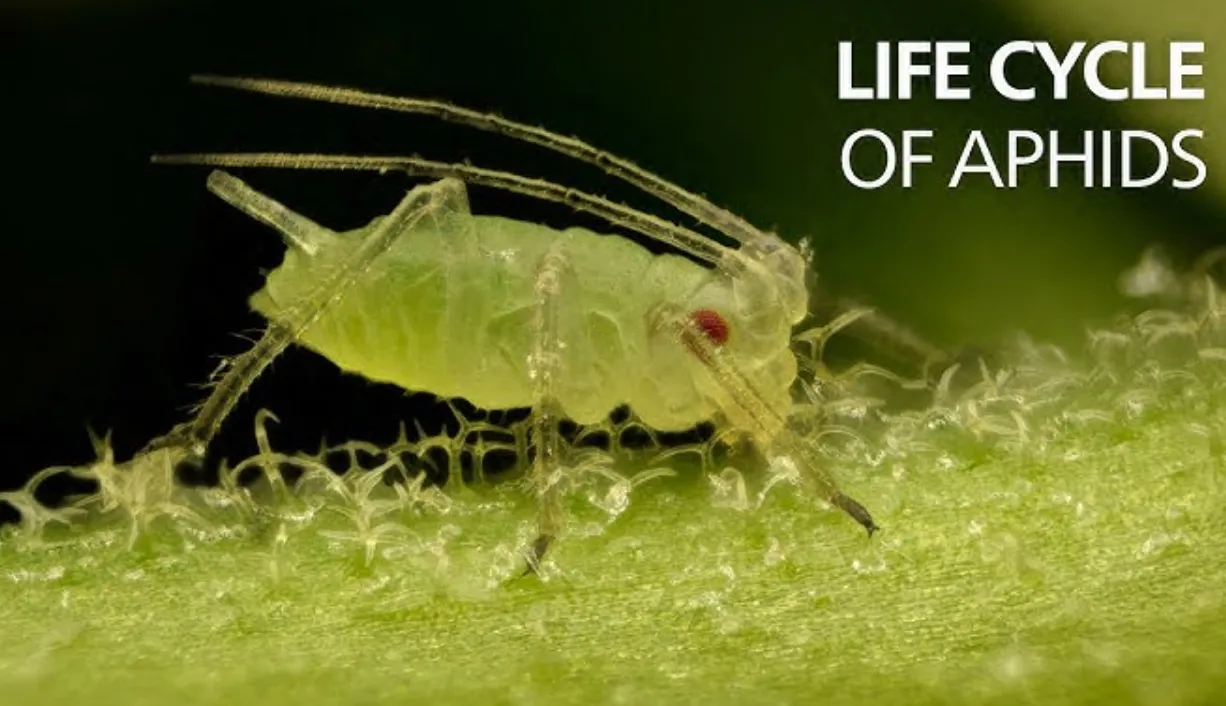
The aphid life cycle is one of the most fascinating and complex processes in the insect world. Aphids are tiny, soft-bodied insects commonly known as plant pests, but their biological adaptability and rapid reproduction make them highly interesting from a scientific and ecological perspective.
An Aphid (often referred to as an aphid bug) feeds on plant sap and can be found in almost every ecosystem. Despite their small size, aphids can reproduce incredibly fast and survive in a wide range of environmental conditions. Understanding their life cycle helps gardeners, farmers, and researchers manage populations and protect crops effectively.
Quick Answers (Most Common Questions)
1. What is the aphid life cycle?
The aphid life cycle includes egg, nymph, and adult stages. Many aphids reproduce asexually, skipping the egg stage in warmer conditions.
2. How fast do aphids reproduce?
Aphids can reproduce in as little as 7–10 days, leading to rapid population growth.
3. What do aphids eat?
Aphids feed on plant sap using needle-like mouthparts, often damaging crops and plants.
Quick Life Cycle Table
| Stage | Description | Duration | Key Features |
| Egg | Laid on host plants (in cold seasons) | Winter period | Resistant to harsh weather |
| Nymph | Immature aphid, looks like a smaller adult | 5–10 days | Moults multiple times |
| Adult | Fully developed aphid | Several weeks | Reproduces rapidly |
| Reproduction | Asexual or sexual reproduction | Continuous | Can give birth to live young |
The History Of Their Scientific Naming
The scientific classification of aphids has evolved over centuries as entomologists studied their behaviour and structure.
- Aphids belong to the family Aphididae, under the order Hemiptera.
- The term “aphid” derives from the Greek word aphis, meaning “small insect.”
- Early 18th-century scientists classified aphids based on their feeding habits and body structure.
- Carl Linnaeus contributed significantly by categorising them into early taxonomic groups.
- Over time, molecular biology helped refine their classification into hundreds of species.
- Today, there are over 5,000 known aphid species worldwide.
- Scientists differentiate species based on host plants, wing structure, and reproductive patterns.
This evolving classification reflects the complexity and adaptability of aphids in various ecosystems.
Their Evolution And Their Origin
Aphids have a long evolutionary history dating back over 250 million years. Fossil evidence suggests that aphid-like insects existed during the Permian period, making them one of the oldest known plant-feeding insects.
Initially, aphids evolved alongside early vascular plants. As plants diversified, aphids adapted to different species, developing specialised feeding mechanisms. Their unique mouthparts, called stylets, allowed them to extract sap efficiently without killing the plant immediately.
One of the most remarkable evolutionary traits of aphids is their reproductive flexibility. They can switch between sexual and asexual reproduction depending on environmental conditions. This adaptation has enabled them to survive in extreme climates and to colonise new habitats rapidly.
Over time, aphids also developed symbiotic relationships with bacteria. These bacteria help them digest plant sap and obtain essential nutrients. This mutual relationship has played a crucial role in their survival and evolutionary success.
Another key evolutionary milestone is the development of winged and wingless forms. When conditions become overcrowded or unfavourable, aphids produce winged offspring that migrate to new plants.
Their ability to adapt, reproduce quickly, and form symbiotic relationships makes aphids one of the most resilient insect groups on Earth.
Their Main Food and Its Collection Process
Aphids primarily feed on plant sap, which is rich in sugars but low in essential nutrients.
Main Food Sources
- Leaves of plants
- Stems and buds
- Roots (in some species, like the woolly aphid)
- Fruits and flowers
Collection Process
- Aphids use specialised mouthparts called stylets.
- These stylets pierce plant tissues and reach the phloem.
- They extract sap continuously without causing immediate plant death.
- Excess sugar is excreted as honeydew, which attracts ants.
Additional Feeding Behaviour
- Some aphids form mutual relationships with ants.
- Ants protect aphids in exchange for honeydew.
- Aphids can adjust feeding based on plant type and season.
This feeding process can weaken plants, spread diseases, and reduce crop yield, making aphids a major agricultural concern.
Their Life Cycle and Ability to Survive in Nature
Egg Stage
In colder climates, aphids lay eggs on host plants during autumn. These eggs survive harsh winter conditions.
Nymph Stage
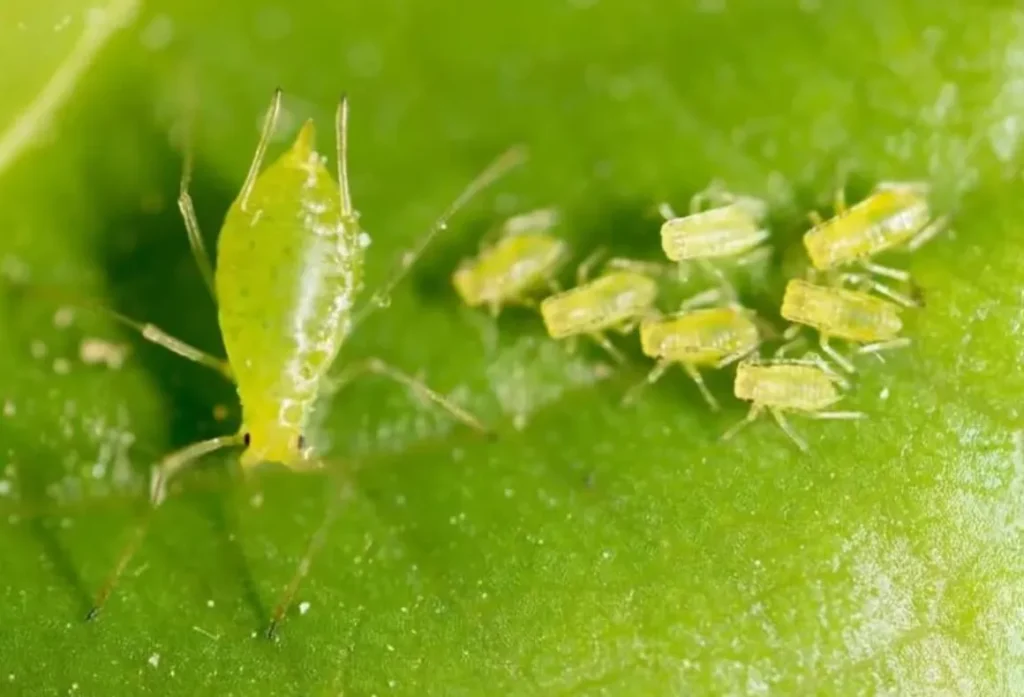
Nymphs hatch from eggs and resemble miniature adults. They moult several times as they grow.
Adult Stage
Adult aphids can be winged or wingless. Winged aphids migrate, while wingless ones stay on the host plant.
Survival Strategies
- Rapid reproduction ensures population survival
- Ability to switch reproduction methods
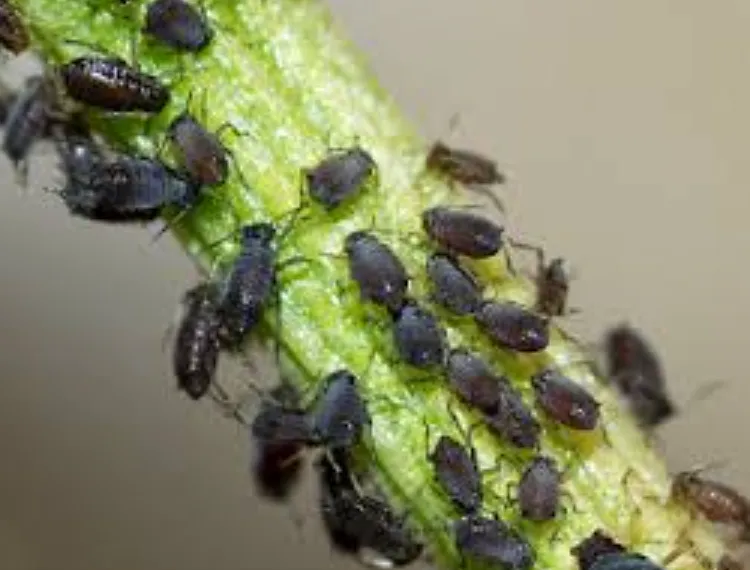
- Formation of colonies for protection
- Symbiotic relationships with ants
- Production of winged forms for migration
These survival strategies make aphids highly adaptable and difficult to control in agricultural settings.
Their Reproductive Process and Raising Their Children
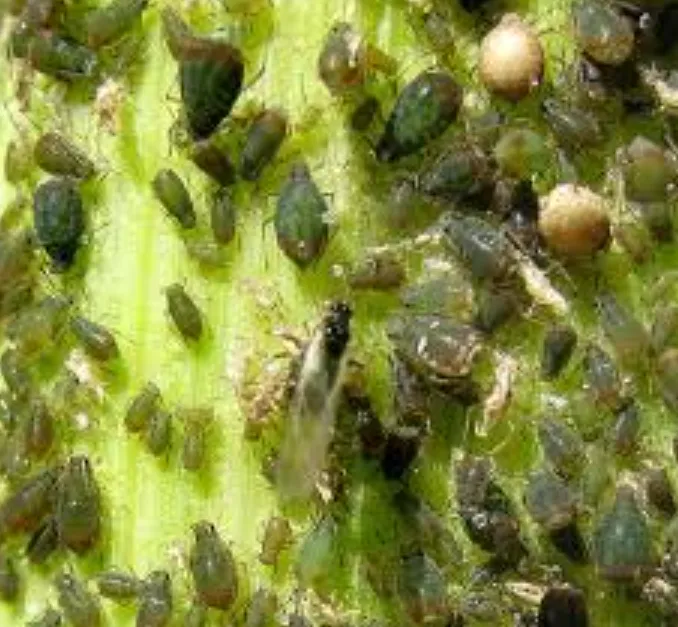
Aphids have one of the most unique reproductive systems among insects.
Reproductive Methods
- Asexual reproduction (parthenogenesis)
- Sexual reproduction (seasonal)
- Live birth instead of laying eggs (in many cases)
Key Characteristics
- Female aphids can give birth without mating
- Offspring are often born pregnant (telescoping generations)
- Rapid population growth within days
Raising Their Young
- Aphids do not provide parental care
- Young are independent immediately after birth
- Colonies offer indirect protection
Environmental Influence
- Warm weather favours asexual reproduction
- Cold weather triggers egg-laying
This reproductive efficiency is why aphid infestations can grow quickly and become difficult to manage.
Importance of Them in this Ecosystem
Food Source for Predators
Aphids serve as food for ladybugs, lacewings, and birds.
Role in Food Chains
They are essential in transferring energy from plants to higher trophic levels.
Soil and Plant Interaction
Their feeding can stimulate plant responses and influence plant diversity.
Symbiotic Relationships
Aphids interact with ants and microorganisms, contributing to ecological balance.
Despite being pests, aphids play a crucial role in maintaining ecosystem dynamics.
Important Things That You Need To Know
Understanding aphids goes beyond just their life cycle. Here are key insights related to important LSI keywords:
The term aphid refers to small sap-sucking insects belonging to the family Aphididae. These insects are commonly found on plants and can reproduce rapidly.
A woolly aphid (also spelt woolly aphid) is a type of aphid covered in a white, cotton-like substance. This protective coating helps them survive predators and harsh conditions.
An aphid bug is simply another name for aphids, often used in informal contexts. These bugs are known for damaging crops and ornamental plants.
Aphid eggs are typically laid during colder seasons. These eggs are highly resistant and help aphids survive winter.
Aphid control involves various methods such as natural predators, insecticidal soaps, and organic sprays.
Gardeners commonly use an aphid spray to reduce infestations. These sprays can be chemical or natural, depending on preference.
What to Do to Protect Them in Nature and Save the System for the Future
- Encourage natural predators like ladybugs
- Avoid excessive pesticide use
- Maintain plant diversity in gardens
- Support ecological balance
- Use organic farming practices
- Protect habitats where aphids contribute to food chains
- Promote awareness about their ecological role
- Reduce chemical pollution in soil and water
Protecting aphids may seem unusual, but maintaining balance is essential for a healthy ecosystem.
Frequently Asked Questions (FAQs)
1. What is the lifespan of an aphid?
Aphids typically live for 20–40 days, depending on environmental conditions.
2. Do all aphids lay eggs?
No, many aphids give birth to live young, especially in warm climates.
3. What attracts aphids to plants?
New plant growth and nutrient-rich sap attract aphids.
4. Are aphids harmful to humans?
No, aphids do not harm humans directly.
5. How can I control aphids naturally?
Use ladybugs, neem oil, or water sprays to reduce aphid populations.
6. What do aphids produce honeydew?
Honeydew is a sugary substance excreted by aphids after feeding.
7. Can aphids fly?
Some aphids develop wings and can fly to new plants.
8. Why are aphids important in ecosystems?
They serve as food for many predators and help maintain ecological balance.
Conclusion
The aphid life cycle is a remarkable example of adaptability and survival in the insect world. From their rapid reproduction to their ability to switch between reproductive methods, aphids have evolved to thrive in diverse environments.
While they are often seen as pests due to their impact on crops, aphids also play an essential role in ecosystems. They support food chains, interact with other species, and contribute to ecological balance.
Understanding their life cycle, feeding habits, and ecological importance allows us to manage them more effectively without disrupting natural systems. By adopting sustainable practices and promoting biodiversity, we can maintain harmony between agriculture and nature.
Also Read About: stink bug life cycle