The grasshopper life cycle is a fascinating example of incomplete metamorphosis found in many insects. These small yet powerful creatures play a vital role in ecosystems worldwide, especially in grasslands and agricultural regions. Understanding their life cycle helps farmers, researchers, and nature enthusiasts better manage ecosystems and appreciate biodiversity.
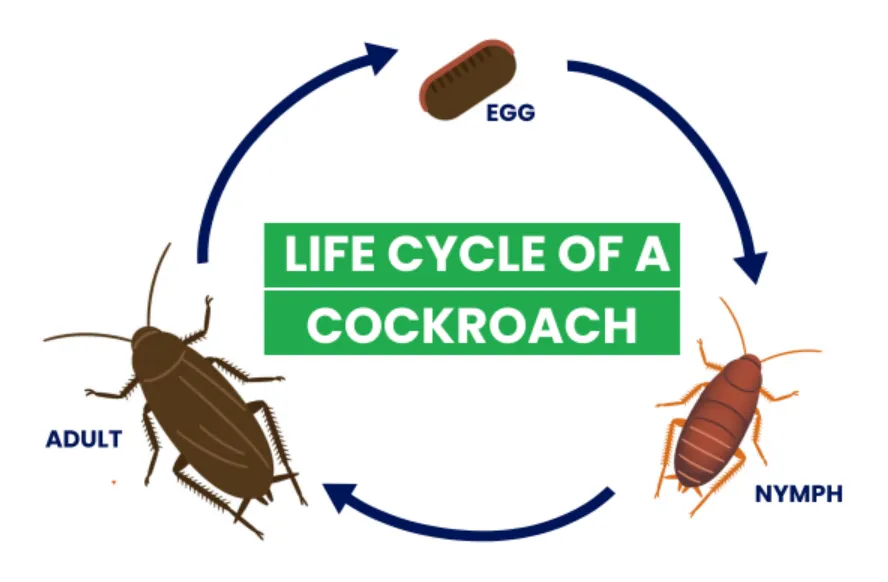
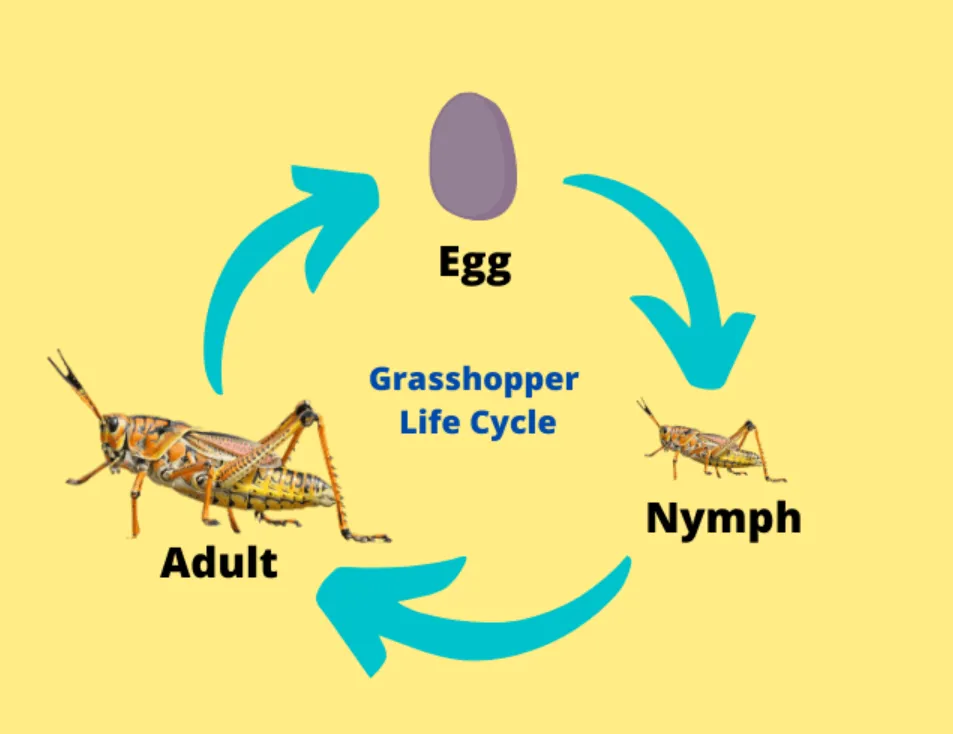
Grasshoppers undergo three main stages—egg, nymph, and adult—each with unique characteristics and survival strategies. Unlike butterflies, they do not have a pupal stage, making their development more straightforward yet equally interesting.
These insects are highly adaptive and can survive in diverse environments, from tropical forests to deserts. Their ability to reproduce quickly and feed efficiently makes them both beneficial and, in some cases, agricultural pests.
🔎 Quick Answers (Most Common Questions)
1. What are the stages of the grasshopper life cycle?
The grasshopper life cycle has three stages: egg → nymph → adult.
2. How long does a grasshopper live?
Most grasshoppers live for about 1 year, depending on environmental conditions.
3. Do grasshoppers undergo complete metamorphosis?
No, they undergo incomplete metamorphosis, meaning they lack a pupal stage.
Quick Life Cycle Table
| Stage | Duration | Key Features |
| Egg | 6–10 months | Laid in soil, protected by a frothy coating |
| Nymph | 5–6 weeks | Wingless resembles a small adult |
| Adult | 2–3 months | Fully developed wings, capable of reproduction |
The History Of Their Scientific Naming
The scientific classification of grasshoppers has evolved significantly over time as entomology has advanced.
- Grasshoppers belong to the order Orthoptera, meaning “straight wings.”
- Carl Linnaeus, the father of taxonomy, did early classification.
- The term “Orthoptera” was introduced in the 18th century based on wing structure.
- They are grouped into suborders, such as Caelifera, which includes true grasshoppers.
- Scientific naming became more refined with advances in genetics in the 20th century.
Today, thousands of grasshopper species are classified using both morphological and molecular data. Their naming reflects differences in habitat, behavior, and anatomy.
Their Evolution And Their Origin
Grasshoppers have an ancient evolutionary history dating back over 250 million years, making them among the oldest insect groups on Earth. They first appeared during the Permian period, long before dinosaurs roamed the planet.
The early ancestors of grasshoppers were primitive Orthopterans that gradually evolved into modern species. Fossil evidence shows that these insects adapted to changing climates and vegetation patterns over millions of years.
As flowering plants became widespread, grasshoppers diversified rapidly. Their chewing mouthparts allowed them to exploit a wide range of plant species, giving them a strong evolutionary advantage.
Natural selection shaped their powerful hind legs, enabling them to jump great distances to escape predators. Their ability to camouflage also evolved, helping them blend into grasses and leaves.
Over time, grasshoppers spread across continents, adapting to deserts, grasslands, and forests. Today, they are found almost everywhere except Antarctica.
Their evolutionary success is largely due to their simple yet efficient life cycle and their ability to reproduce quickly in favorable conditions.
Their main food and its collection process
Grasshoppers are primarily herbivores, feeding on a wide variety of plants.
🌿 Main Food Sources
- Grasses (their primary diet)
- Leaves of crops like wheat and corn
- Shrubs and small plants
- Occasionally fungi
🍃 Food Collection Process
- They use strong mandibles to chew plant material.
- Grasshoppers rely on their compound eyes to locate food sources.
- Their antennae help detect plant chemicals and moisture.
- They feed mostly during the daytime.
- They can consume large amounts of vegetation relative to their size.
Grasshoppers play a dual role—while they help recycle plant matter, large populations can significantly damage crops.
Their life cycle and ability to survive in nature
🥚 Egg Stage
Female grasshoppers lay eggs in soil pods, protecting them from harsh weather.
🐛 Nymph Stage
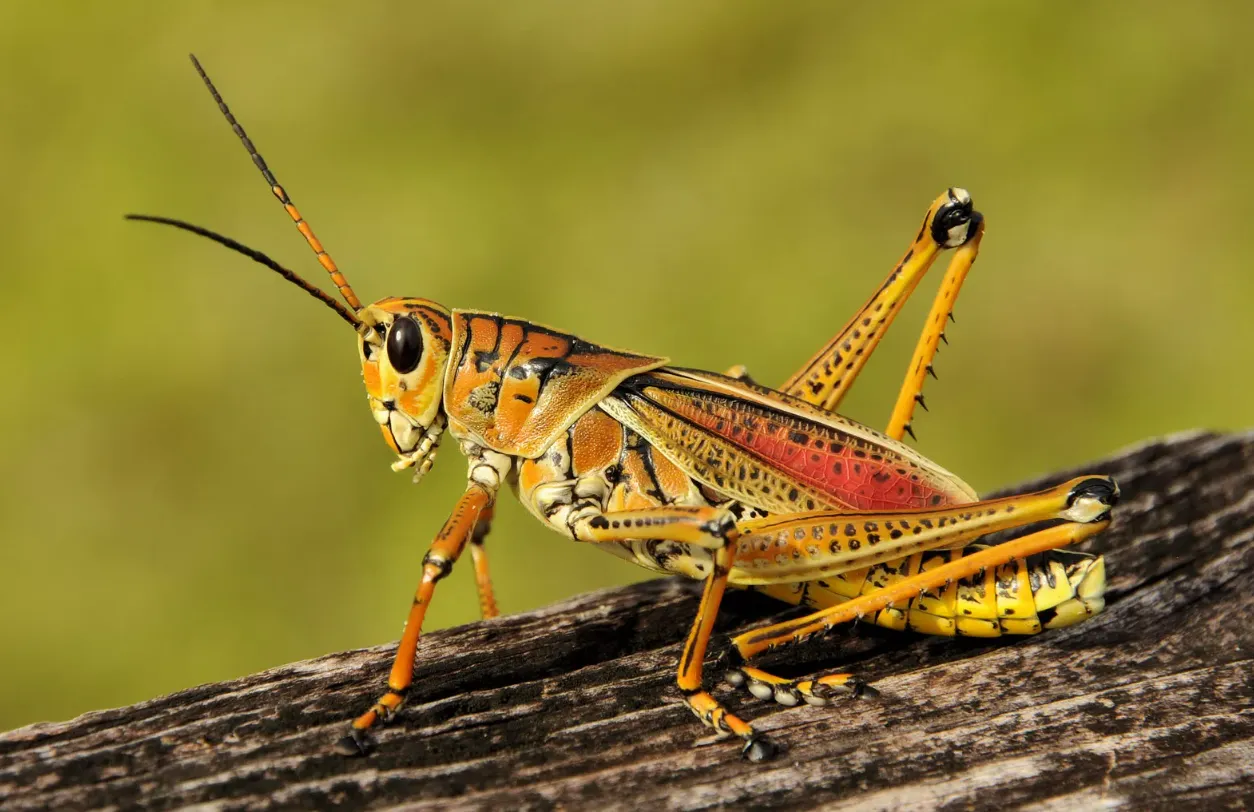
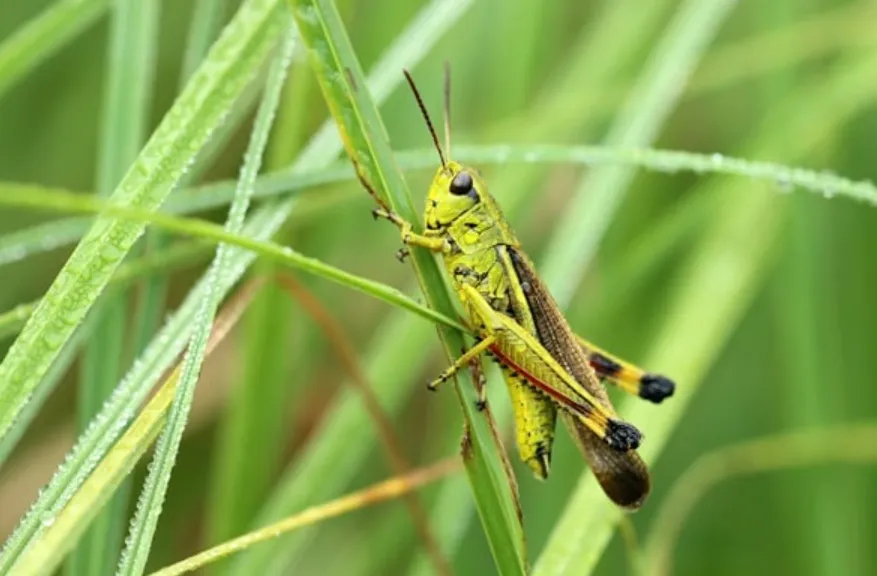
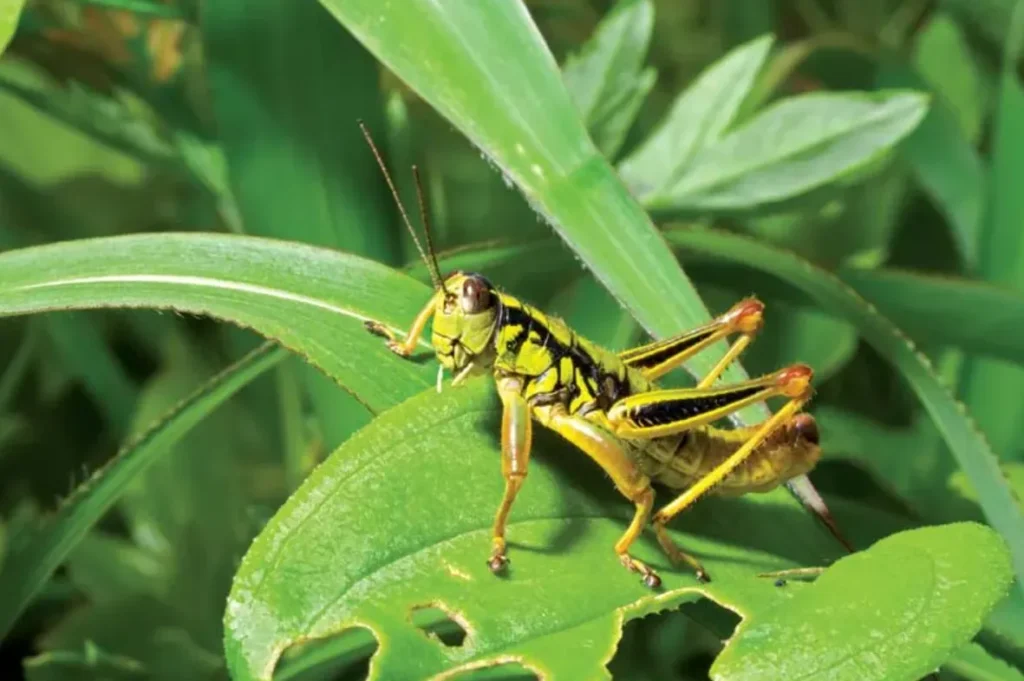
Nymphs resemble adults but lack wings. They molt several times as they grow.
🦗 Adult Stage
Adults develop wings and reproductive organs, completing the cycle.
Grasshoppers survive due to:
- Excellent camouflage
- Strong jumping ability
- Rapid reproduction
- Adaptability to different climates
Their survival strategies make them resilient even in challenging environments.
Their Reproductive Process and raising their children
Grasshoppers have a straightforward yet effective reproductive system.
- Males attract females through sound production (stridulation).
- Fertilization occurs internally.
- Females lay eggs in soil using an ovipositor.
- Eggs are grouped in pods for protection.
- No parental care is provided after laying eggs.
- Nymphs are independent from birth.
- High reproduction rates ensure species survival.
Despite the lack of parental care, their survival rate remains high because they lay many eggs.
The i
mportance of them in this Ecosystem
🌍 Role in Food Chain
Grasshoppers serve as food for birds, reptiles, and mammals.
🌱 Vegetation Control
They help regulate plant growth and maintain ecological balance.
🧪 Nutrient Recycling
Consuming plants contributes to nutrient cycling in soil.
🌾 Agricultural Impact
While beneficial in balance, large populations can become pests.
Their ecological importance cannot be overstated, as they support biodiversity and ecosystem stability.
Important Things That You Need To Know
Grasshoppers are more than just insects—they are part of various cultural, ecological, and even commercial systems. Let’s explore some related terms and concepts.
The term “grasshopper” encompasses thousands of species worldwide. Interestingly, it also appears in different contexts beyond biology.
For example, the grasshopper drink is a popular mint-flavored cocktail unrelated to the insect, but it is widely known. Similarly, the grasshopper cocktail is a famous dessert drink made with crème de menthe and cream.
In technology, Grasshopper login is associated with a virtual phone system used by businesses. It shows how the term extends beyond nature into digital services.
You might also hear about a grasshopper dispensary, which refers to cannabis retail stores in some regions. Again, this highlights the term’s versatility.
In biology, species like the lubber grasshopper are known for their large size and bright colors, while the grasshopper mouse is a carnivorous rodent that feeds on insects, including grasshoppers.
These examples show that “grasshopper” is not just an insect but a term used across multiple industries and fields.
What to do to protect them in nature and save the system for the future
- 🌱 Preserve natural habitats like grasslands
- 🚫 Reduce pesticide usage
- 🌾 Promote sustainable farming practices
- 🌍 Support biodiversity conservation programs
- 🧪 Encourage ecological research
- 🌿 Plant native vegetation
- 🐦 Protect predator species that maintain balance
- 📚 Educate communities about ecosystem importance
Protecting grasshoppers ensures the health of entire ecosystems.
Frequently Asked Questions (FAQs)
1. How many stages are in the grasshopper life cycle?
Three stages: egg, nymph, and adult.
2. Where do grasshoppers lay eggs?
They lay eggs in soil pods.
3. What do grasshopper nymphs eat?
They eat the same plants as adults.
4. How do grasshoppers protect themselves?
Through camouflage and jumping ability.
5. Are grasshoppers harmful to crops?
Yes, in large numbers, they can damage crops.
6. Do grasshoppers fly?
Yes, adult grasshoppers can fly.
7. What predators eat grasshoppers?
Birds, reptiles, and small mammals.
8. Why are grasshoppers important?
They maintain ecological balance and support food chains.
Conclusion
The grasshopper life cycle is a remarkable example of nature’s efficiency and adaptability. From eggs hidden in soil to agile adults capable of leaping and flying, each stage plays a crucial role in survival and reproduction.
These insects are not only important for maintaining ecological balance but also serve as a key food source for many animals. While they can sometimes become agricultural pests, their overall contribution to ecosystems is invaluable.
Understanding their life cycle helps us appreciate their role and encourages better environmental practices. By protecting their habitats and promoting sustainable ecosystems, we ensure that grasshoppers—and the balance they bring—continue to thrive for future generations.
Also Read About: a fishes life cycle