The tomato hornworm life cycle is one of the most fascinating—and sometimes frustrating—processes for gardeners and nature enthusiasts alike. These large, green caterpillars are known for their rapid growth and appetite for tomato plants, often appearing overnight and causing significant damage. However, beyond their destructive reputation, Tomato hornworms are an important part of the Ecosystem and undergo a remarkable transformation.
Understanding their life cycle helps gardeners manage infestations effectively while also appreciating their ecological role. From tiny eggs to massive caterpillars and eventually beautiful moths, their journey is both complex and essential.
Quick Answers (Most Common Questions)
1. How long is the tomato hornworm life cycle?
The full life cycle typically takes 30–50 days, depending on temperature and environmental conditions.
2. Where do tomato hornworm eggs appear?
They are usually laid on the underside of tomato leaves, often in small clusters or singly.
3. How can I control tomato hornworms naturally?
Use methods such as handpicking, introducing beneficial insects (e.g., parasitic wasps), and organic sprays.
Quick Life Cycle Table
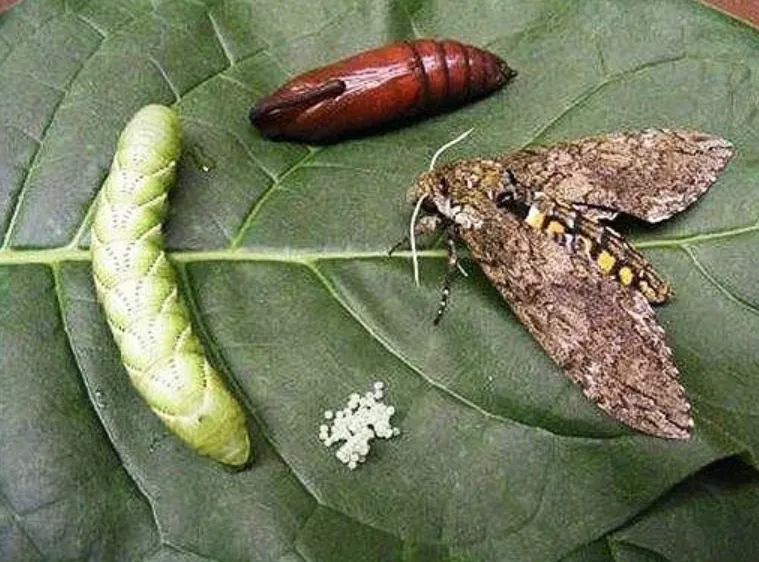
| Stage | Description | Duration |
| Egg | Small, green, spherical eggs on leaves | 3–5 days |
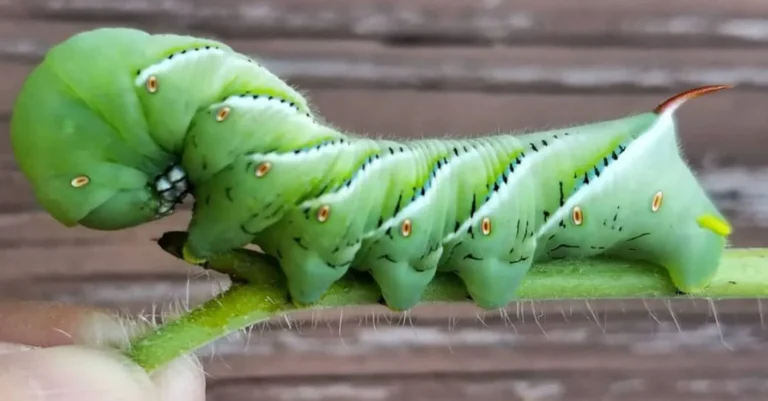
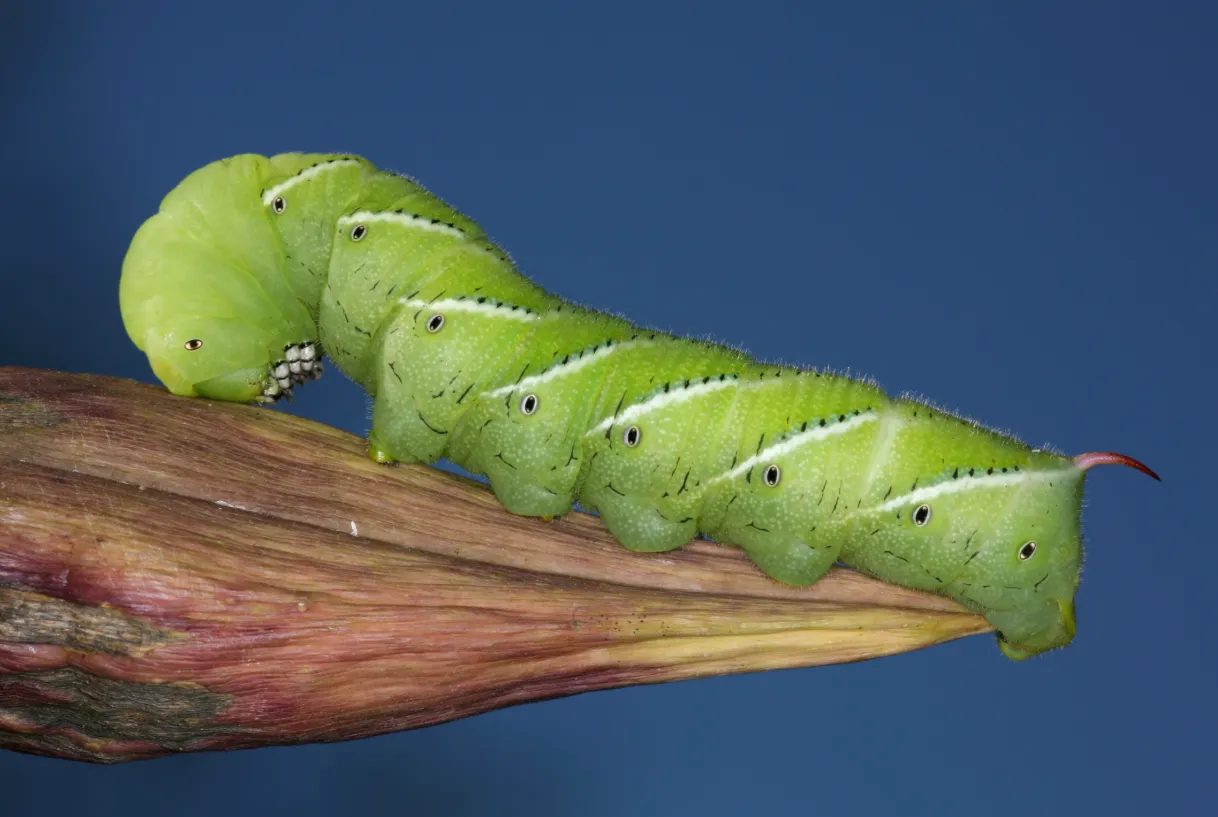
| Larva (Caterpillar) | Rapid-growing, green worm with a horn tail | 2–4 weeks |
| Pupa | Buried in soil, forms a cocoon | 2–3 weeks |
| Adult (Moth) | Hawk moth or sphinx moth emerges | Several weeks |
The History Of Their Scientific Naming
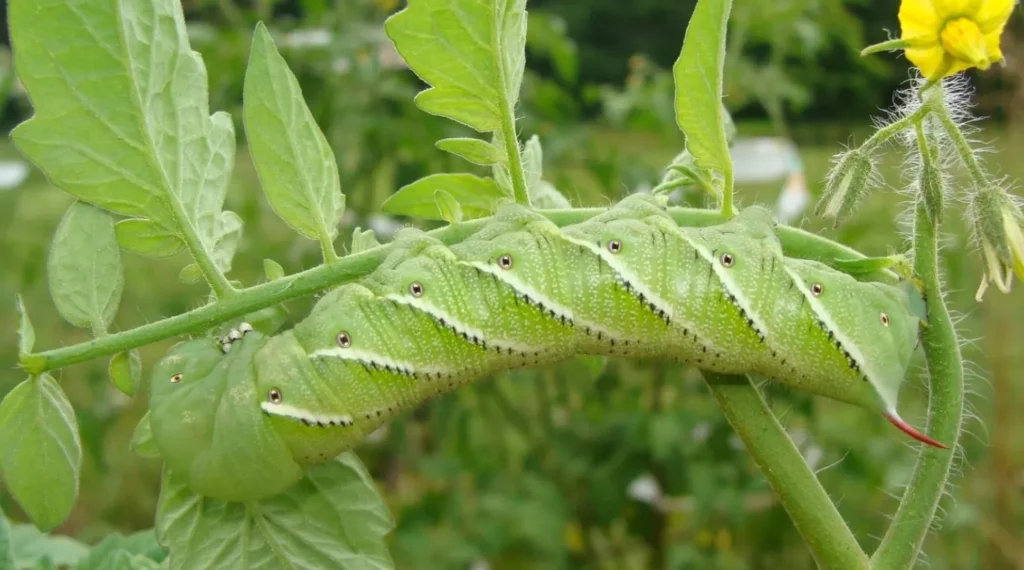
The tomato hornworm is scientifically known as Manduca quinquemaculata, a name rooted in classical taxonomy and observation.
- The genus “Manduca” refers to chewing insects, highlighting their powerful mandibles.
- Species name “quinquemaculata” means “five-spotted,” referring to the distinct white markings along their body.
- They belong to the Sphingidae family, commonly known as hawk moths or sphinx moths.
- Early naturalists in the 18th and 19th centuries classified them based on their larval and adult forms.
- Their close relative, the tobacco hornworm (Manduca sexta), was often confused with them, leading to comparative classification studies.
- Scientific naming helped differentiate species based on host plants, markings, and horn shape.
- Today, molecular biology confirms their classification and evolutionary relationships.
This structured naming system helps scientists and farmers alike identify and manage these insects more effectively.
Their Evolution And Their Origin
The tomato hornworm belongs to the Sphingidae family, a group of moths known for their strong flight and rapid wing movement. Their origins trace back millions of years, evolving alongside flowering plants.
Initially, ancestral hornworms adapted to feed on wild plants in the nightshade family (Solanaceae). As agriculture expanded, they transitioned to cultivated crops like tomatoes, potatoes, and peppers.
Their green coloration is a key evolutionary trait. It provides excellent camouflage, allowing them to blend into leaves and avoid predators. The horn-like structure on their tail, while harmless, acts as a deterrent to birds and other threats.
Over time, hornworms developed:
- Rapid growth cycles to outpace predators
- Efficient digestion systems for plant material
- Nocturnal feeding habits to reduce exposure
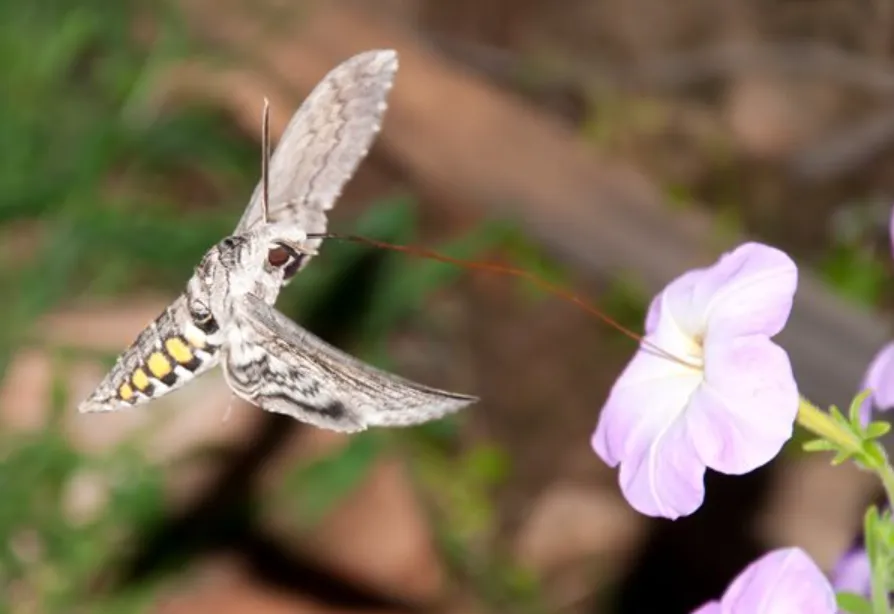
Their transformation into moths also plays a crucial role in evolution. Adult moths are pollinators, especially active at dusk, contributing to plant reproduction.
Geographically, tomato hornworms are native to North America, particularly regions where tomatoes and related plants thrive. Climate adaptability has allowed them to spread widely.
Their survival results from adaptation, camouflage, and reproductive efficiency, making them both resilient and ecologically significant.
Important Things That You Need To Know
Understanding the related aspects of tomato hornworms can help you manage them more effectively and identify them correctly.
Tomato Hornworm vs Tobacco Hornworm
The difference between tomato hornworm and tobacco hornworm is subtle but important:
- Tomato hornworms have V-shaped white markings
- Tobacco hornworms have diagonal stripes
- Horn color differs slightly between species
Tomato Hornworm Eggs
- Tiny, round, and green
- Found on the underside of leaves
- Hard to spot without close inspection
Tomato Hornworm Control
- Handpicking is the simplest method
- Use neem oil or organic sprays
- Encourage natural predators
Tomato Hornworm Poop
- Large, dark green droppings
- Often, the first sign of infestation
- Found on leaves and soil
The presence of tomato hornworm, tomato hornworm eggs, tomato hornworm control, tobacco hornworm vs tomato hornworm, and tomato hornworm poop are all key indicators that gardeners should monitor regularly.
Understanding these factors helps in early detection and effective management.
Their main food and its collection process
Tomato hornworms primarily feed on plants from the nightshade family, which includes:
- Tomatoes
- Potatoes
- Eggplants
- Peppers
- Tobacco plants
How They Collect Food
- They use strong mandibles to chew leaves rapidly
- Feeding occurs mostly during early morning and evening
- They start with tender leaves and move to stems and fruits
Feeding Behavior
- Can consume entire leaves within hours
- Leave behind skeletonized foliage
- Prefer younger, nutrient-rich plants
Adaptations for Feeding
- The green color helps them stay hidden while feeding
- Their digestive system efficiently breaks down plant material
- They grow quickly due to high food intake
Impact on Plants
- Defoliation reduces plant productivity
- Damaged fruits become unusable
- Severe infestations can kill plants
Despite their destructive feeding habits, they are a natural part of the Ecosystem and serve as food for predators.
Their life cycle and ability to survive in nature
Egg Stage
Female moths lay eggs on host plants. These eggs hatch within a few days, depending on temperature.
Larval Stage
This is the most active phase. The caterpillar grows rapidly, molting several times. It stores energy for transformation.
Pupal Stage
The larva burrows into the soil and forms a pupa. During this stage, it undergoes complete metamorphosis.
Adult Stage
The adult moth emerges and begins the cycle again by reproducing.
Survival Strategies
- Camouflage protects them from predators
- Rapid growth reduces vulnerability
- Burrowing protects pupae from environmental threats
- Night activity reduces exposure
Their ability to adapt to environmental conditions ensures their survival across different regions.
Their Reproductive Process and raising their children
Tomato hornworms reproduce through a well-coordinated process involving adult moths.
Mating Process
- Occurs at night
- Moths locate mates using pheromones
- Fertilization happens internally
Egg Laying
- Females lay eggs individually on leaves
- Choose plants that provide immediate food for larvae
- Lay dozens to hundreds of eggs
Development of Offspring
- Eggs hatch quickly
- Larvae begin feeding immediately
- No parental care after egg laying
Growth of Caterpillars
- Multiple molting stages
- Rapid increase in size
- High survival rate due to abundant food
Transition to Adulthood
- Pupation occurs underground
- Adults emerge ready to reproduce
This efficient reproductive cycle ensures population continuity.
The importance of them in this Ecosystem
Role as Pollinators
Adult moths help pollinate flowers, especially night-blooming plants.
Food Source for Predators
- Birds
- Wasps
- Small mammals
Contribution to Biodiversity
They are part of the natural food chain and support ecological balance.
Indicator Species
Their presence can indicate the health of an ecosystem.
Nutrient Recycling
Their feeding and waste contribute to soil nutrient cycles.
Although considered pests, they play a crucial role in maintaining ecological harmony.
What to do to protect them in nature and save the system for the future
- Encourage natural predators like birds and parasitic wasps
- Avoid excessive pesticide use
- Use organic farming methods
- Maintain biodiversity in gardens
- Plant companion plants to balance ecosystems
- Monitor populations instead of eliminating them entirely
- Educate others about their ecological importance
- Support sustainable agriculture practices
- Preserve natural habitats
- Use integrated pest management (IPM)
Balancing control and conservation is key to maintaining ecological stability.
Frequently Asked Questions (FAQs)
1. What does a tomato hornworm turn into?
It becomes a hawk moth (sphinx moth).
2. Are tomato hornworms harmful to humans?
No, they are harmless despite their intimidating appearance.
3. How fast do tomato hornworms grow?
They can grow up to 4 inches in just a few weeks.
4. What attracts tomato hornworms?
Tomato and other nightshade plants attract them.
5. Can tomato plants recover from hornworm damage?
Yes, if the infestation is controlled early.
6. How do I identify tomato hornworm poop?
Look for large, dark green droppings near damaged leaves.
7. Do tomato hornworms bite?
No, they do not bite or sting.
8. What is the best natural control method?
Handpicking and using beneficial insects are most effective.
Conclusion
The tomato hornworm life cycle is a remarkable journey that highlights both the challenges and beauty of nature. From tiny eggs to massive caterpillars and finally to elegant moths, their transformation is a testament to biological complexity.
While they are often seen as garden pests due to their destructive feeding habits, they also play a vital role in pollination and ecological balance. Understanding their life cycle allows gardeners to manage them effectively without disrupting the Ecosystem.
By adopting sustainable practices and recognizing their importance, we can strike a balance between protecting crops and preserving biodiversity. Ultimately, tomato hornworms remind us that even the most troublesome creatures have a place in nature’s intricate web.
Also Read About: aphid life cycle
About the Author